
Last updated November 22, 2026
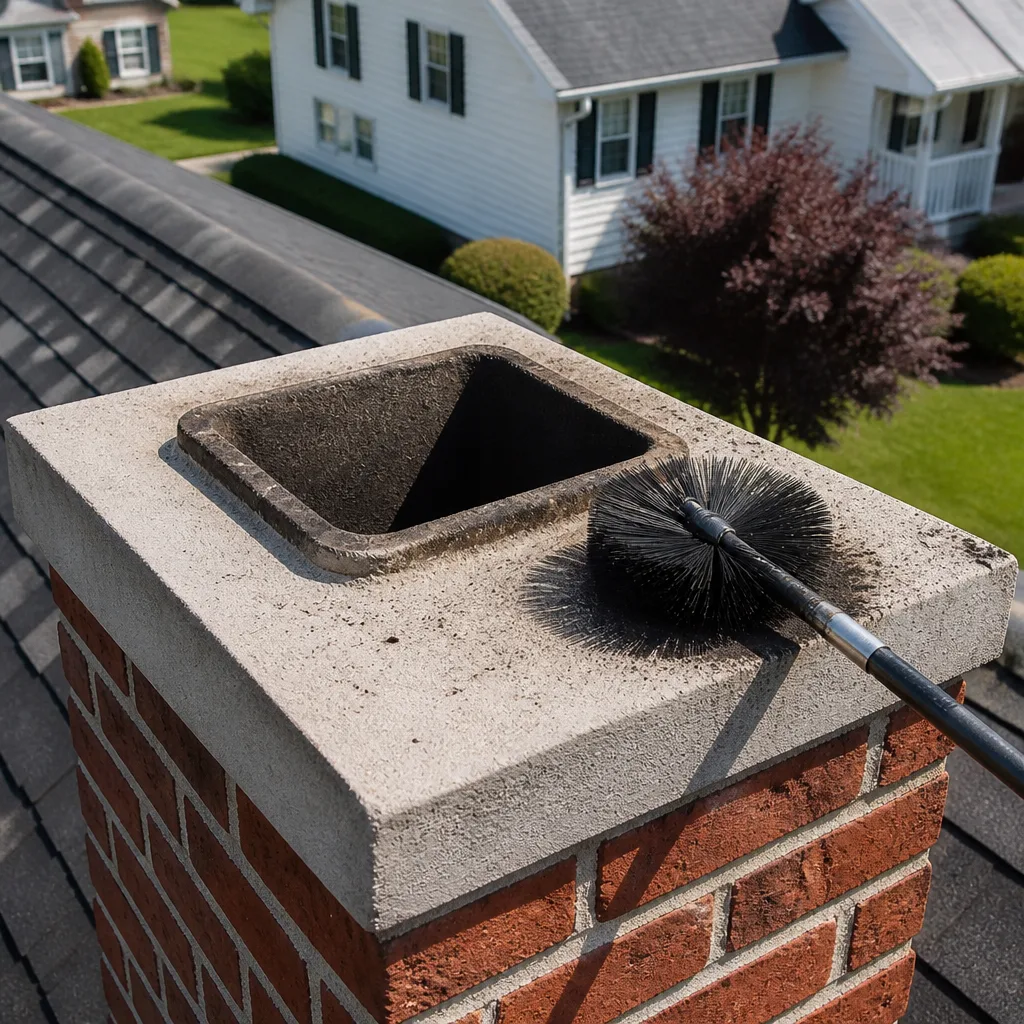 Sweep & inspection
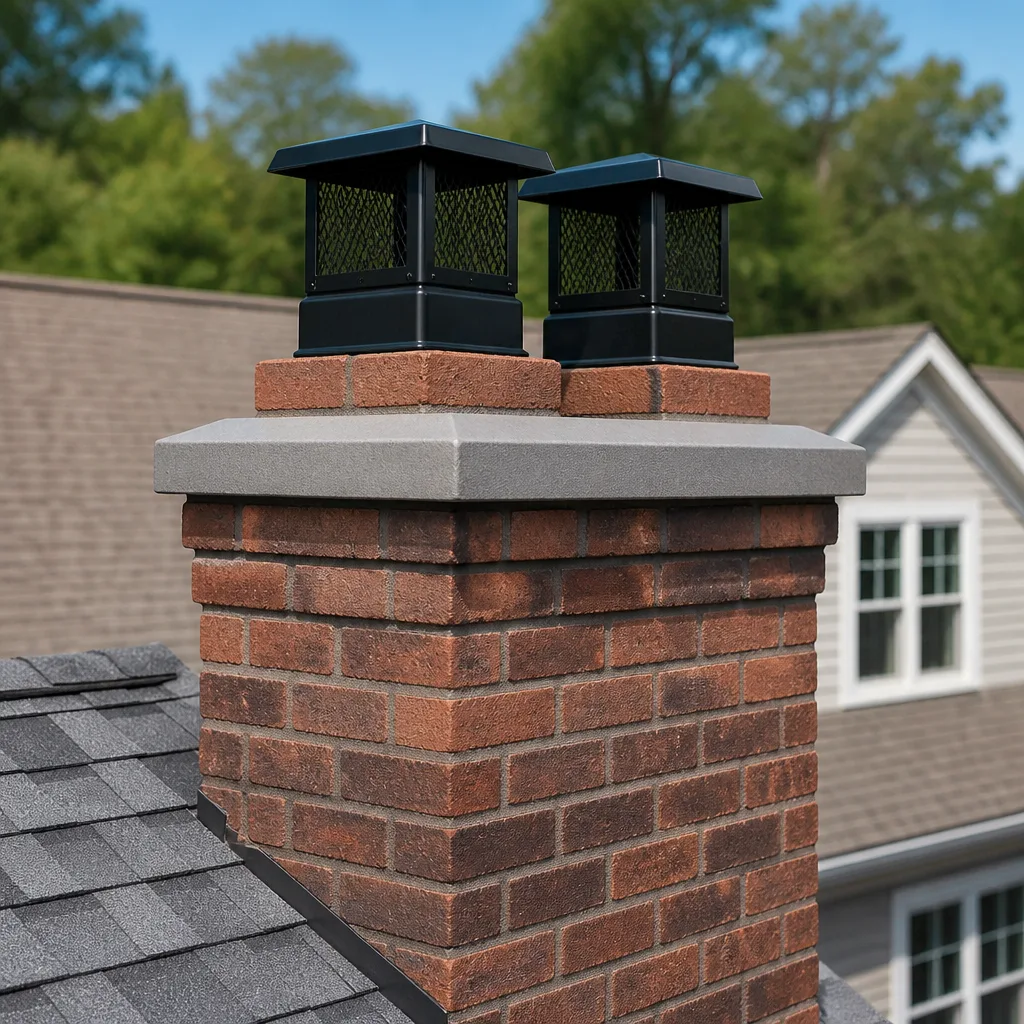 Caps & crowns
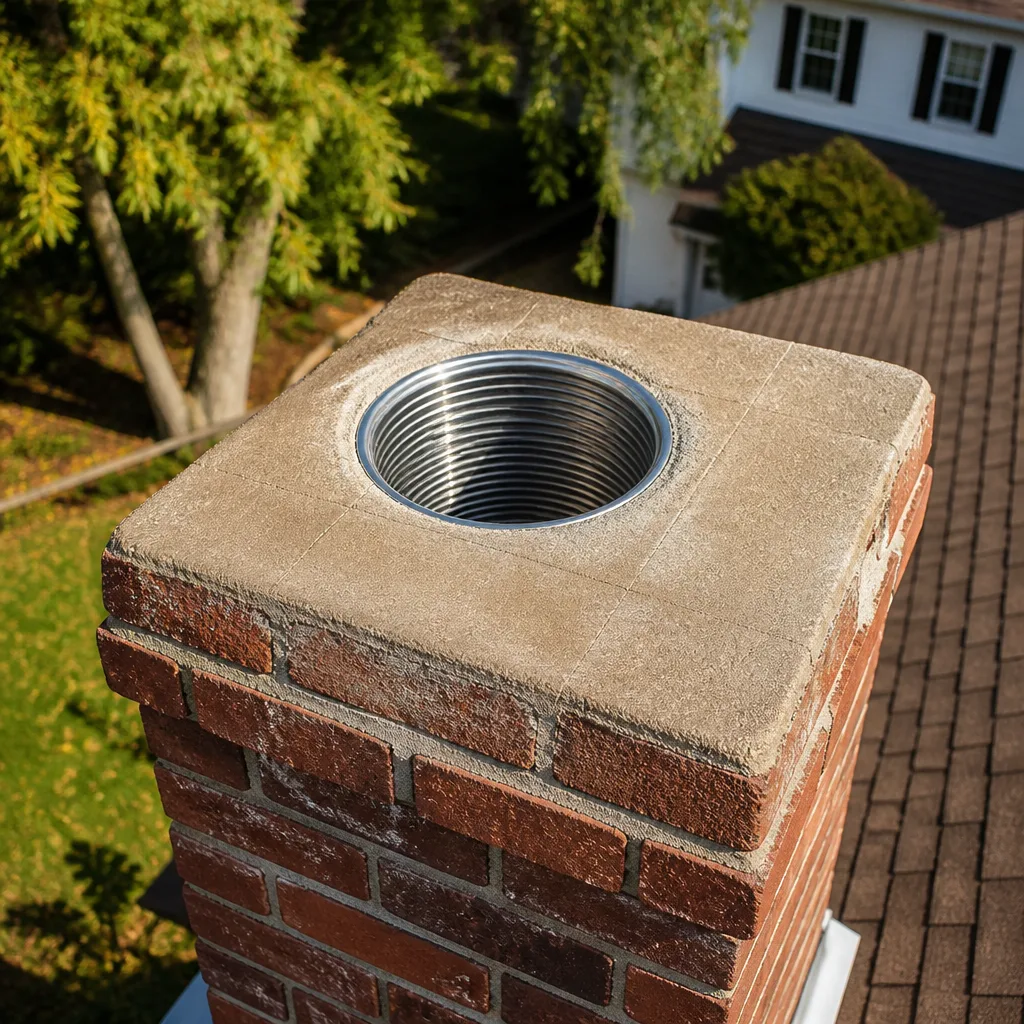 Flue relining
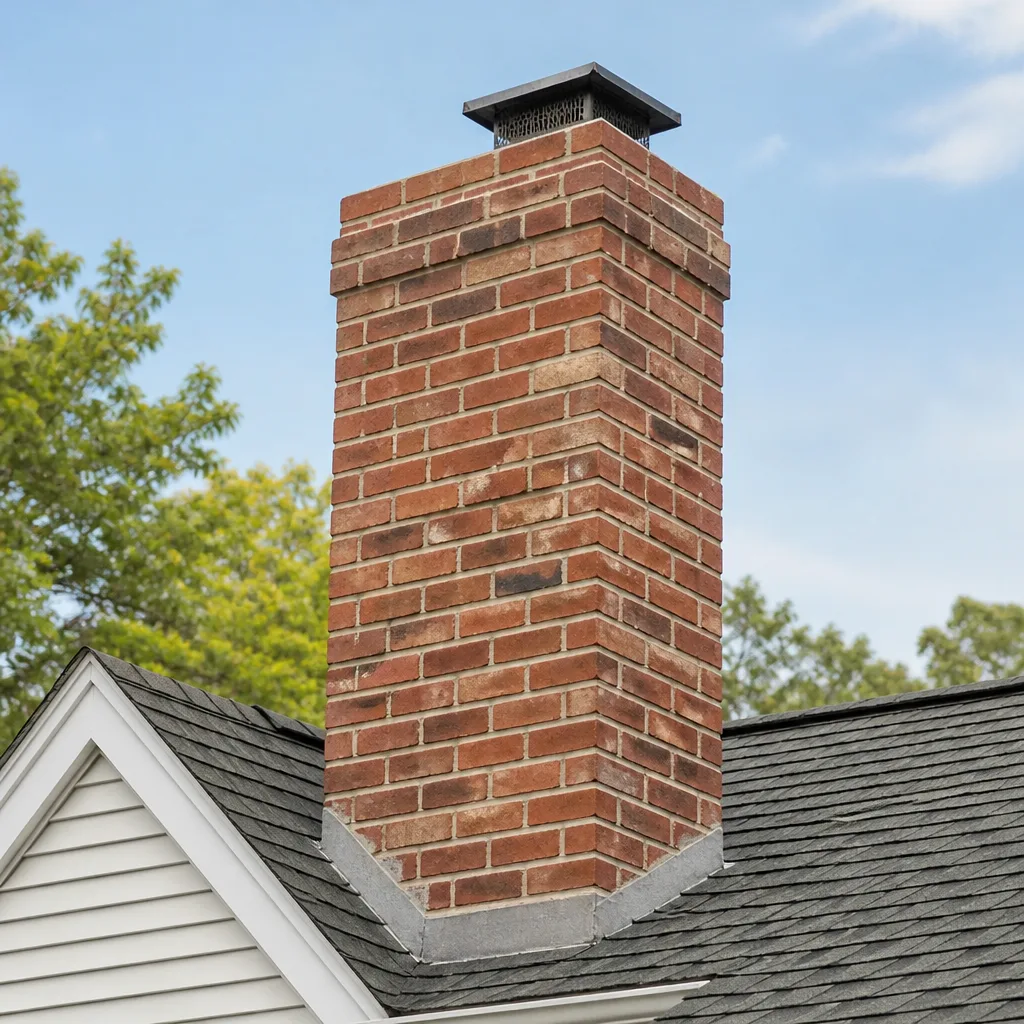 Masonry repair
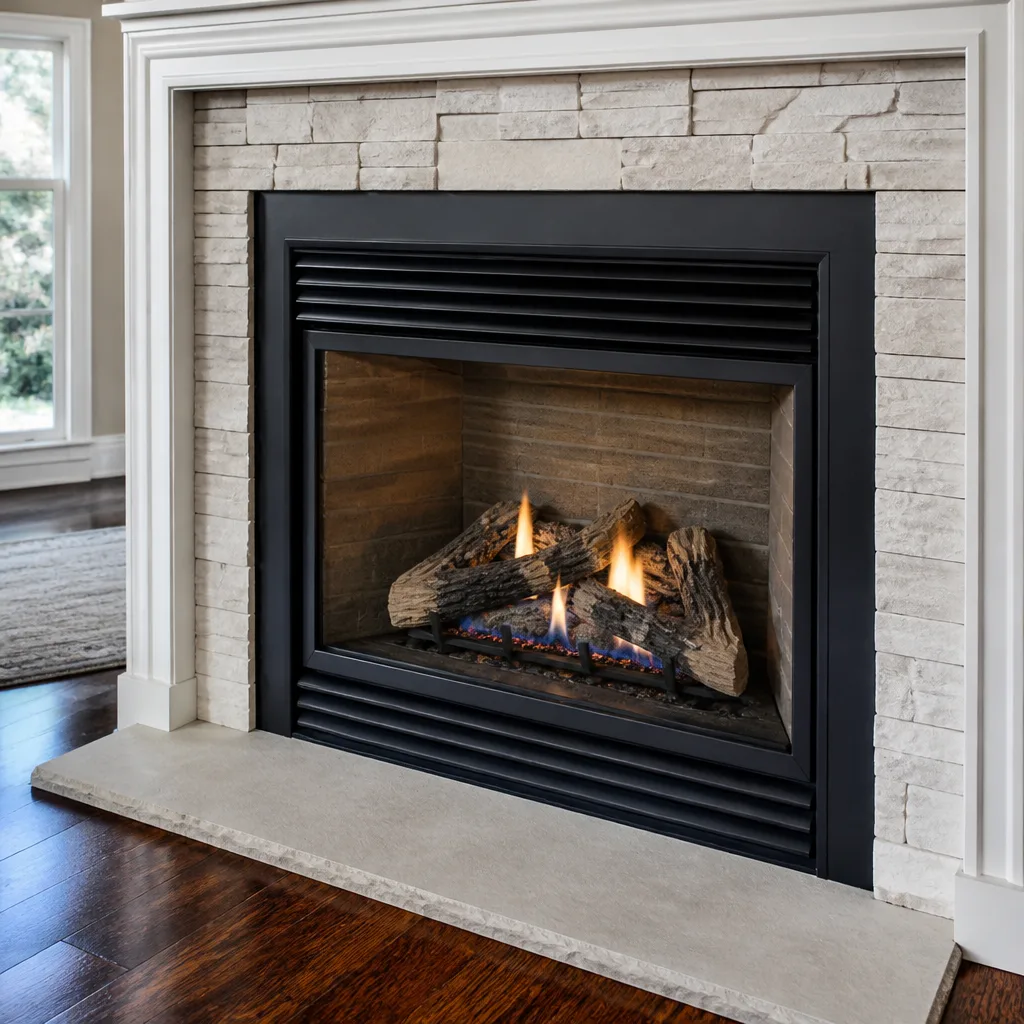 Gas fireplace service
Level 1 sweep and inspection to the NFPA 211 annual standard - flue, crown, cap, and flashing checked and photographed
Chimney sweep logs do not sweep chimneys. They loosen some creosote - which then falls where a brush and vacuum still have to collect it.
Chimney Cleaning Emergency Preparedness Guide for Crown Heights Homes
Most Crown Heights homeowners think of a chimney fire as something that happens inside one house and stays there. It rarely does. In a neighborhood built on shared brick and brownstone party walls, a flue fire can travel laterally into an adjoining attic or wall cavity, and the minutes before FDNY arrives decide how much of that shared structure survives. We’ve walked enough Crown Heights blocks to know how fast a chimney problem becomes a neighbor’s problem. This guide covers how to recognize a chimney fire in progress, what to do in the first three minutes, how to alert attached neighbors, what to have ready for the fire marshal, and how incomplete combustion habits quietly build the creosote that starts it all. If you take one thing away, let it be this: preparation is cheaper than any rebuild.
Quick Answer
A suspected chimney fire in an attached Crown Heights home requires four immediate actions: call 911, evacuate everyone, tell adjacent neighbors to leave, and never throw water down the flue. Once the fire is out, have the chimney inspected before using it again. Prevention comes down to annual chimney sweep service that removes creosote before it can ignite.
Styles & brands we work with
- Sweep & inspection
- Caps & crowns
- Flue relining
- Masonry repair
- Gas fireplace service
Table of Contents
- How do you know it’s a chimney fire and not normal burning?
- What should you do in the first three minutes?
- How do you alert attached neighbors in a rowhouse?
- What do you need ready for FDNY after the fire?
- How does creosote buildup actually cause chimney fires?
- How do you prevent a chimney fire before burning season?
- What belongs in a Crown Heights chimney readiness checklist?
- What happens after a chimney fire?
How do you know it’s a chimney fire and not normal burning?
A chimney fire sounds like a low rumble, a roar, or a series of popping cracks coming from inside the flue, and it usually produces a smell of hot metal or burning tar that normal firewood does not. If you hear thunder coming from your chimney while the firebox itself seems calm, treat it as a chimney fire until proven otherwise. Normal combustion crackles and settles. A chimney fire doesn’t.
The trouble is that not every chimney fire is the dramatic, roaring kind you’ll read about. Many are slow and quiet, smoldering inside the flue for an hour or more with little more than a heat shimmer at the cap. That quiet version is often the one that damages masonry, because it burns long enough to crack the flue tile and reach the wood framing behind it. In an attached Crown Heights home, that framing is shared with the next property.
Specific signs to watch for
- Loud popping, cracking, or a rumbling roar from the chimney, sometimes described as sounding like a freight train.
- Dense smoke or sparks shooting from the top of the chimney, visible from the street or the back yard.
- A hot, tar-like or metallic smell inside the house, sometimes accompanied by a haze of smoke in the room.
- A dramatic temperature spike at the chimney cap – the bricks feel hot to the touch from a distance, never directly.
- Creosote flakes or ash appearing on the roof or in the yard.
- Warped damper, discolored stovepipe, or popped seams on a prefabricated flue.
If any one of those signs is present, assume a fire is in progress and move to the next step. In Crown Heights, where neighboring rooflines are close and party walls are shared, you don’t get the luxury of waiting to confirm.
What should you do in the first three minutes?
Call 911 first, then get everyone out, then alert attached neighbors. Do not attempt to fight a chimney fire from inside the firebox, and do not pour water down the flue. Water on a chimney fire that’s heated the flue to high temperature can crack the clay liner or cause a steam burst that drives fire into the wall cavity.
What you have in your favor in those first minutes is sequence. Doing the right things in the right order is what keeps an attached-house chimney fire from becoming a rowhouse fire. Doing them out of order or skipping one entirely is what we hear about most often afterward.
The first three minutes, step by step
- Call 911 immediately. Say “chimney fire” and give the address. Note that the building is attached to neighboring properties so dispatch understands the exposure.
- Get everyone out of the house. No stopping for possessions. Close the firebox door or damper on your way out if it’s within arm’s reach and safe to touch – never touch a hot handle with bare hands.
- Alert adjacent neighbors. Knock on both shared walls, ring doorbells, and shout. In a Crown Heights rowhouse, the person sleeping in the next building may have no idea anything is happening.
- Close the flue if you can do it safely. If the damper control is cool to the touch, close it to starve the chimney of oxygen. Never lean into a firebox that is throwing heat.
- Wait outside for FDNY. Do not re-enter the building. Do not assume the fire is out because the chimney stopped roaring; hot creosote can reignite.
Notice what isn’t on that list: extinguishing the fire yourself, throwing a bucket of water down the flue, or waiting to see if the noise stops. Those are the three actions that most often turn a contained flue fire into an attic fire in an attached home.
How do you alert attached neighbors in a rowhouse?
Alerting attached neighbors is not optional in a Crown Heights rowhouse, and it isn’t just a courtesy. If fire has breached the flue and entered a shared wall cavity, the family sleeping in the next unit is exposed before smoke shows up in their rooms. Alerting them in the first minute is part of responsible fire safety, not neighborly charm.
How you alert them depends on the moment. Knocking hard on the shared wall is the fastest signal. If you have a phone number for the neighbor on either side, call it after 911. If your building has a common entry, ring every bell on the way out. In the Crown Heights blocks where a lot of rowhouses are divided into rental units, alerting the landlord or the super on the way out also matters, because they may hold keys to the adjacent property.
What to say to a neighbor in those seconds
- “Chimney fire, get out now” – clear and loud, no explanation needed.
- Point toward the door or the street so they know where to go.
- If a neighbor has children or elderly family inside and hasn’t come out, tell the first firefighter you see. Don’t go back in yourself.
After the incident is over, exchange contact information with your immediate neighbors if you don’t have it already. That single piece of preparedness pays off again when one of you has a burst pipe, a gas smell, or a chimney problem that could affect the shared wall.
What do you need ready for FDNY after the fire?
Have three things ready for the fire marshal after a chimney fire: your most recent chimney inspection report, the contact information for the sweep who did the inspection, and a written record of when the chimney was last cleaned. Fire investigators use that documentation to determine how the fire started and whether the flue failed from age, deferred maintenance, or another cause.
In our experience, the inspection paperwork is what most Crown Heights homeowners can’t find when they need it. The report is usually in a drawer somewhere or lost in an email inbox. If you don’t have it, the fire marshal will ask questions you can’t answer, and the insurance claim process is slower for it. That’s why we build the post-inspection report into every visit and tell homeowners to keep a copy with their home documents.
Documentation to keep on hand
- Your most recent chimney inspection report – ideally a Level 1 or Level 2 report that identifies the flue type and condition.
- The date of the last sweep, with a receipt or report from the sweep.
- The chimney company’s business card or contact info, on the fridge or in your phone.
- Any prior repair records: relining, crown repair, cap installation, masonry work.
- Your homeowner’s insurance policy number and agent contact, since some policies handle chimney fire claims differently.
One folder, physical or digital, holds all of it. It takes five minutes to set up and saves hours on the worst day of the year.
How does creosote buildup actually cause chimney fires?
Creosote buildup causes chimney fires when the deposit reaches the third-degree stage – a hard, glazed, tar-like layer that ignites at high temperature. First-degree creosote is a flaky soot any sweep removes easily. Second-degree is a crustier deposit that requires mechanical tools. Third-degree creosote is the dangerous stage, and it almost always comes from the same root cause: incomplete combustion.
Incomplete combustion is what happens when a fire doesn’t get enough air, or the wood is too wet, or the stove or firebox is turned down low and left to smolder for hours. Cool smoke rises slowly, condenses on the flue walls, and builds up a sticky residue. Every smoldering fire deposits another coat. A flue that has never been swept in a Crown Heights home with regular winter fires can build third-degree creosote in a single season. Once it’s there, a hot fire or a stray ember that reaches the flue is all it takes.
What makes creosote build faster
- Burning unseasoned or wet wood – moisture in the wood cools the smoke before it leaves the flue.
- Closing the damper too far or running the stove at low output for long stretches.
- Burning paper, cardboard, or resinous softwood on top of regular fires.
- A flue that is too large for the firebox, which slows smoke and speeds condensation.
- Skipping annual sweeps, especially after a heavy burn season.
We see the result of all of these in Crown Heights, where original brownstone flues are often oversized for the modern fireboxes behind them. The mismatch alone speeds creosote buildup even in homes that burn dry wood carefully. A proper chimney repair assessment tells you whether the flue size is working against you.
How do you prevent a chimney fire before burning season?
Preventing a chimney fire before burning season comes down to two commitments: burn clean, and get the flue swept every year before the first sustained fire. Clean burning keeps creosote from forming. Annual sweeping removes what did form. Neither one alone is enough, because a careful burner still produces some creosote over a winter, and a dirty flue undermined by careless burning will fail regardless of when it was last swept.
The fall is when we recommend a Crown Heights homeowner schedule the pre-season sweep, ideally before the first really cold week when everyone lights up at once. It’s also the time to check the chimney cap, the crown, and the masonry for the freeze-thaw cycles that Crown Heights sees between December and March. Water getting into the flue from a cracked crown weakens the liner through the winter and creates the very failure points a chimney fire exploits in spring and the following fall.
The prevention routine we recommend
- Book an annual sweep before burning season – usually late summer into early fall, before the first real cold snap.
- Have a Level 1 or Level 2 inspection at the same visit so you know the flue, the cap, and the crown are all sound.
- Burn seasoned wood only. Split, stack, and cover it for at least a season before it goes in the firebox. If you hear a hollow knock when two pieces strike, that’s a good sign.
- Don’t smolder. Give the fire enough air to burn hot. A smoky, lazy fire is building third-degree creosote as it goes.
- Check the cap and crown in spring. If the crown is cracked or the cap is damaged, water gets in through the freeze-thaw cycle and the liner weakens before next winter.
- Keep a current inspection report on file – the same folder mentioned above.
If your setup has a prefabricated flue or a factory-built fireplace, this is also the point to think about liner condition. Flexible chimney repair solutions like DuraFlex handle the curve of an older Crown Heights flue better than rigid relining, and HeatShield ceramic resurfacing is what we reach for when the clay liner is intact in shape but eroded in surface. Those are trade decisions, but knowing the options keeps you from accepting whatever a general contractor happens to have on hand.
What belongs in a Crown Heights chimney readiness checklist?
A Crown Heights chimney readiness checklist has four parts: the flue itself, the paperwork, the household plan, and the neighbor contacts. Most of it takes an afternoon to set up, and it’s the difference between reacting well and reacting late when a real chimney fire starts.
We’ve seen how prepared and unprepared homes differ after an incident, and the pattern is the same. Homeowners who sweep every year and keep their paperwork current spend a few days on cleanup and inspection. Homeowners who haven’t swept in two or three winters are dealing with flue tile damage, water intrusion into the wall cavity, and an insurance adjuster who has questions nobody can answer. That’s the whole gap.
The four-part readiness checklist
- The flue: swept this season, inspected within the last year, cap and crown in good condition, flue liner sound.
- The paperwork: most recent inspection report, sweep receipt, repair records, insurance policy, chimney company contact info – all in one folder.
- The household plan: everyone in the house knows to call 911 first, knows where the exits are, and knows the neighbors on both sides by name or face.
- The neighbor contacts: phone numbers for the people in the adjacent units, so you can call while knocking.
Add a functional smoke and carbon monoxide alarm check to the list. Chimney fires and CO exposure can both happen silently, and a home that responds well to a chimney fire still needs working alarms to catch the one that starts while everyone is asleep. If your alarms are older than ten years, replace them – that’s a general safety rule, not a chimney-specific one, but it matters here.
What happens after a chimney fire?
After a chimney fire, the chimney must be inspected before it’s used again, even if the fire seemed small and short. A Level 1 inspection catches surface damage; a Level 2 inspection with a camera is what shows whether the flue liner cracked, whether creosote is still bonded to the flue walls, and whether heat reached the wood framing behind the masonry. In an attached Crown Heights home, the Level 2 inspection is the one that also tells you whether the shared wall on either side was affected.
Don’t re-light the fire until an inspection clears it. That’s the single piece of advice that matters most after the trucks leave. A flue that survived one fire but lost part of its liner is a flue that will fail next time, often with fire reaching the framing rather than staying contained.
What the inspection tells you
- If the liner is intact, you’re looking at a sweep, possibly a crown or cap repair if the fire or water intrusion damaged the top of the chimney.
- If the liner is cracked, relining is typically the required path. We reach for DuraFlex flexible liner systems in Crown Heights brownstones because they follow the shape of the original flue.
- If the clay flue surface is eroded but the shape survived, HeatShield ceramic resurfacing restores the surface so the next fire doesn’t find a weak spot.
- If masonry or crown damage is present, repair is scheduled before the next burning season, not during it.
Whatever the inspector finds, get the written report and keep it with the paperwork from before. The documentation you keep now is what protects you if there’s a next time.
Common Mistakes to Avoid
- Throwing water down a hot flue. Water into a chimney heated by a fire can crack the liner and drive steam and fire into the wall cavity. Never do it.
- Waiting to see if the noise stops. A quiet chimney fire is still a fire, and in an attached Crown Heights home, that’s time you don’t have.
- Only alerting the household. In a rowhouse or brownstone, alert the neighbors on both sides. Skip that step and you may be the reason the fire spreads next door.
- Re-light the fire before inspection. A flue that “looks fine” after a chimney fire has not been inspected. Wait for the report.
- Skipping the annual sweep “because you burn clean.” Careful burning reduces creosote, it doesn’t eliminate it. A flue that isn’t swept once a year will still build third-degree creosote over time.
- Ignoring the cap and crown. Crown Heights freeze-thaw cycles crack crowns, water gets in, liners weaken, and the next fire finds the weak point. The cap and crown matter to fire prevention as much as the flue itself.
- Hiring a general contractor for chimney work. Chimney work needs chimney-specific materials – DuraFlex, HeatShield, Olympia Chimney liner systems, Famco caps and Copperfield components are engineered for flue environments. A generalist who “can handle it” is a compromised flue waiting to happen.
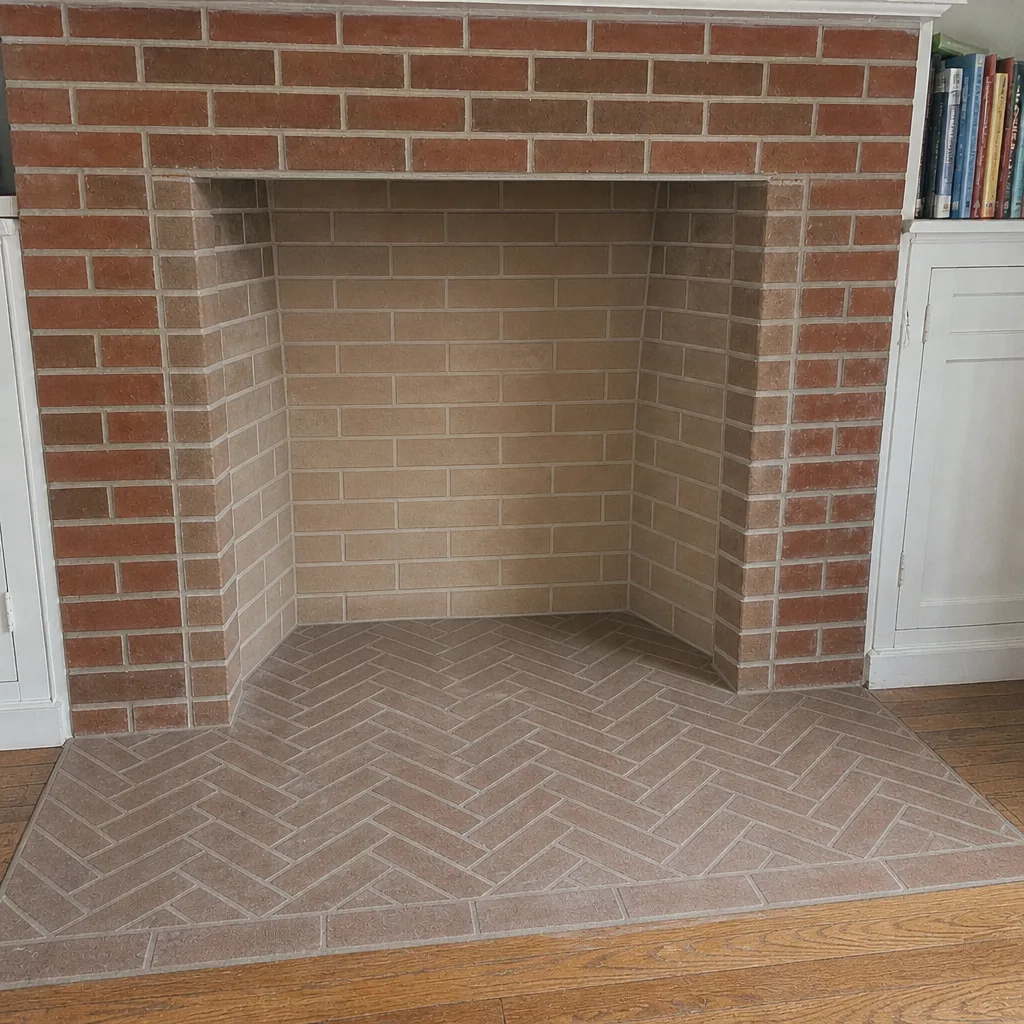
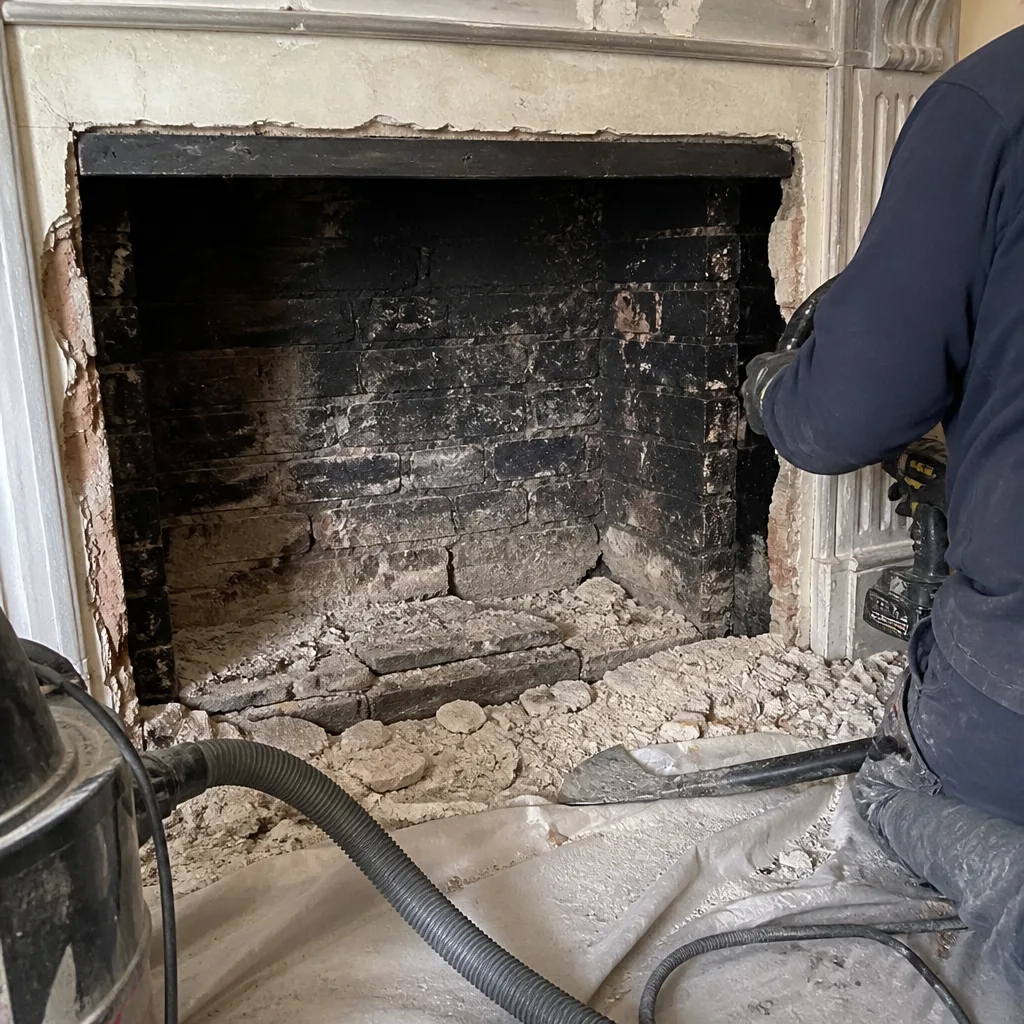
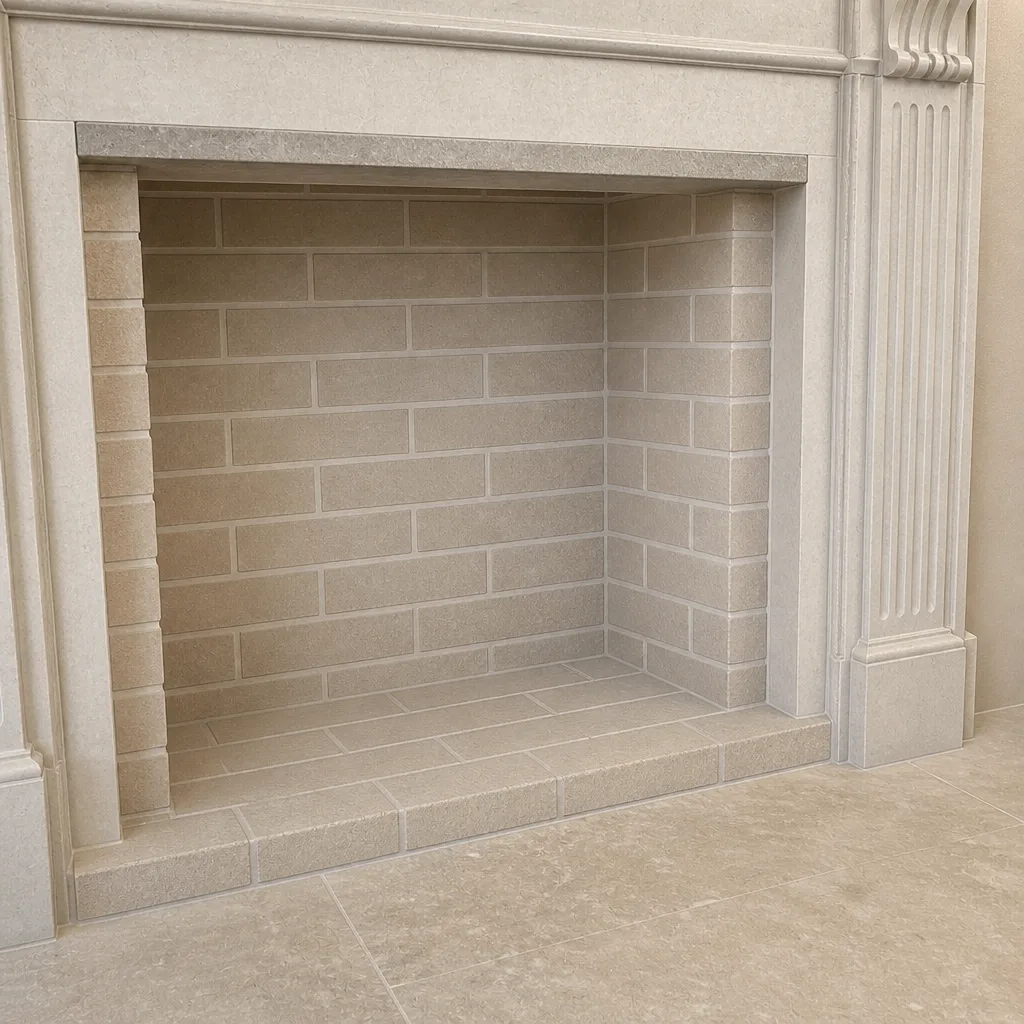
See the difference
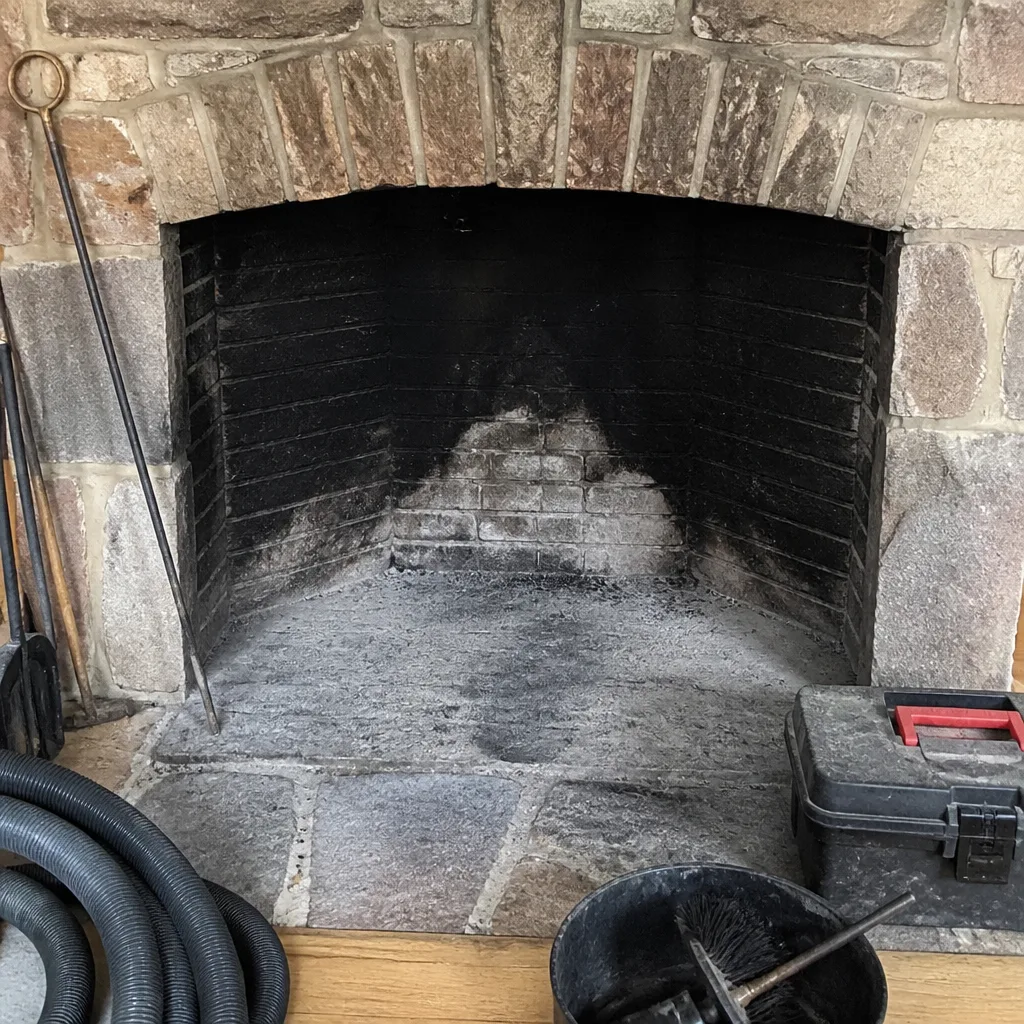 Before
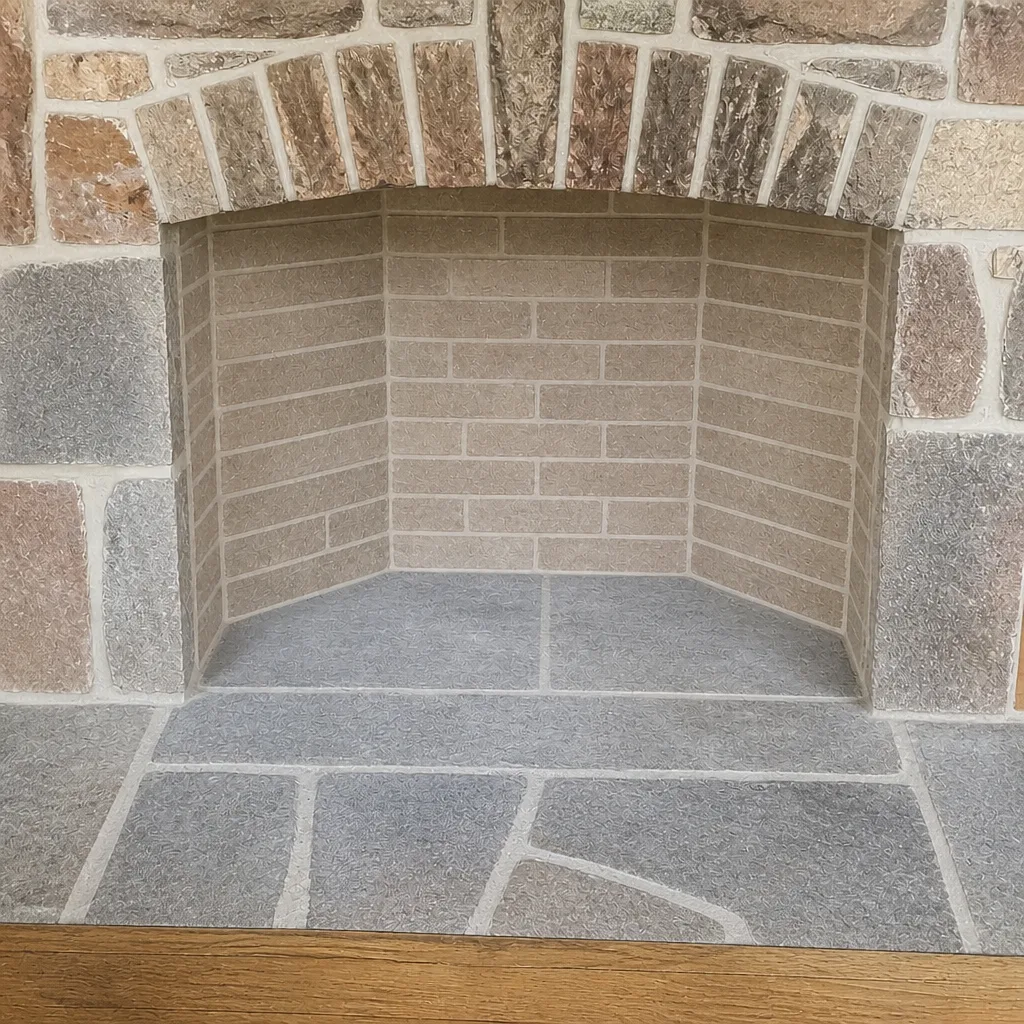 After
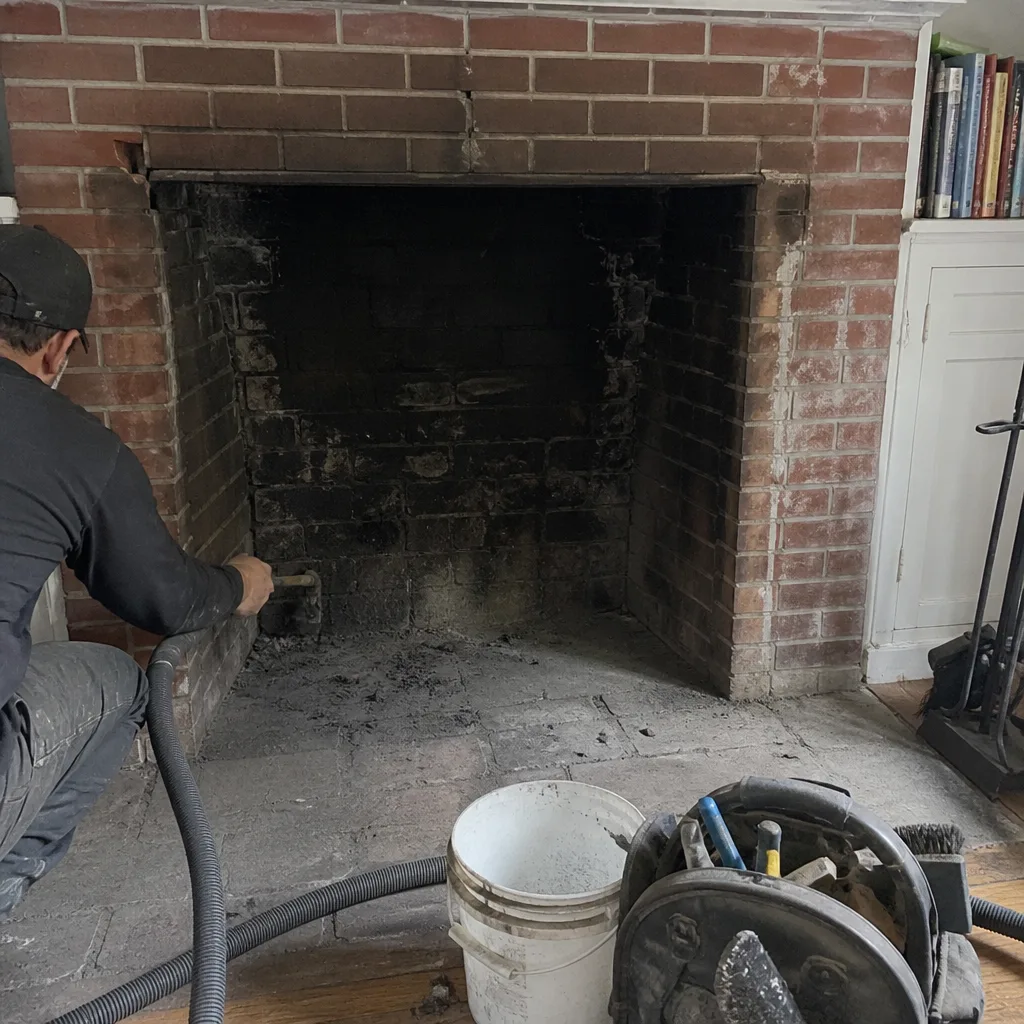 Before
 After
 Before
 After
When to Call a Professional
Call a chimney professional any time you need the flue swept, inspected, repaired, or the cap and crown checked before burning season. Call immediately if you see or hear signs of a chimney fire – but call 911 first – and again once the trucks leave to book the post-fire inspection. Call if you haven’t had a sweep in over a year, if you’re not sure when the chimney was last serviced, if the cap or crown is cracked, or if the firebox is pulling smoke into the room. If you’re buying a Crown Heights rowhouse, book an inspection before the first winter in your new home. Chimney Sweep Crown Heights offers free estimates in Crown Heights – call (833) 858-5823. We answer 24/7. Fast dispatch from 7am to 7pm, Sunday through Friday.
Frequently Asked Questions
Call 911 first, then get everyone out and alert the neighbors in attached units. Do not try to fight the fire from the firebox or pour water down the flue. In an attached Crown Heights home, the priority order is 911, evacuation, neighbor alert, then wait outside for FDNY.
Chimney fires are a real risk in any Crown Heights neighborhood with a lot of older brownstone and rowhouse flues, particularly where a flue hasn’t been swept in two or more winters. Creosote buildup is the single most common cause, and annual sweeping removes it before it can reach the third-degree stage. Call (833) 858-5823 to schedule a sweep and get ahead of it – estimates are free.
Yes, alerting neighbors is required in a practical sense, not just a polite one. In a Crown Heights rowhouse or brownstone, fire can travel through shared masonry walls into the adjacent property, and the family next door may have no warning before smoke appears. Knock on the shared wall and call them if you have their number.
Keep the most recent inspection report, the sweep receipt, any prior repair records, and the chimney company’s contact information in one folder with your homeowner’s insurance policy. After a chimney fire, the fire marshal and your insurer will both want to see this documentation.
Once a year for a wood-burning fireplace, ideally before the first sustained fires of the season. Crown Heights homeowners who burn several cords a winter should treat the annual sweep as fixed, not flexible. If the sweep reveals third-degree creosote or liner damage, the schedule may need to tighten for a season while the flue is brought up to standard.
Prevention comes down to burning seasoned wood, running the fire hot enough to combust cleanly, and getting the flue swept every year. Smoldering fires and wet wood are the two habits that build third-degree creosote fastest. Pair sweeping with a chimney cap & crown inspection so water intrusion doesn’t undermine the liner between seasons.
The Bottom Line
Chimney fires in Crown Heights are rowhouse fires waiting to happen, because shared masonry means a flue problem can become a neighbor’s problem within minutes. Prepare the household plan, keep the paperwork current, alert your neighbors, and never fight the fire with water. The most important prevention step is simple: an annual sweep and inspection, booked before burning season, on a flue serviced by a specialist using professional-grade materials. One Chimney Sweep Crown Heights call covers cleaning, cap and crown, chimney and fireplace repair, and inspection – no referrals, no second contractor. Our technicians have up to 10 years of experience in the trade. Call (833) 858-5823 for a free estimate. We answer 24/7. Fast dispatch from 7am to 7pm, Sunday through Friday.
Written by the team at Chimney Sweep Crown Heights.