
Last updated November 22, 2026
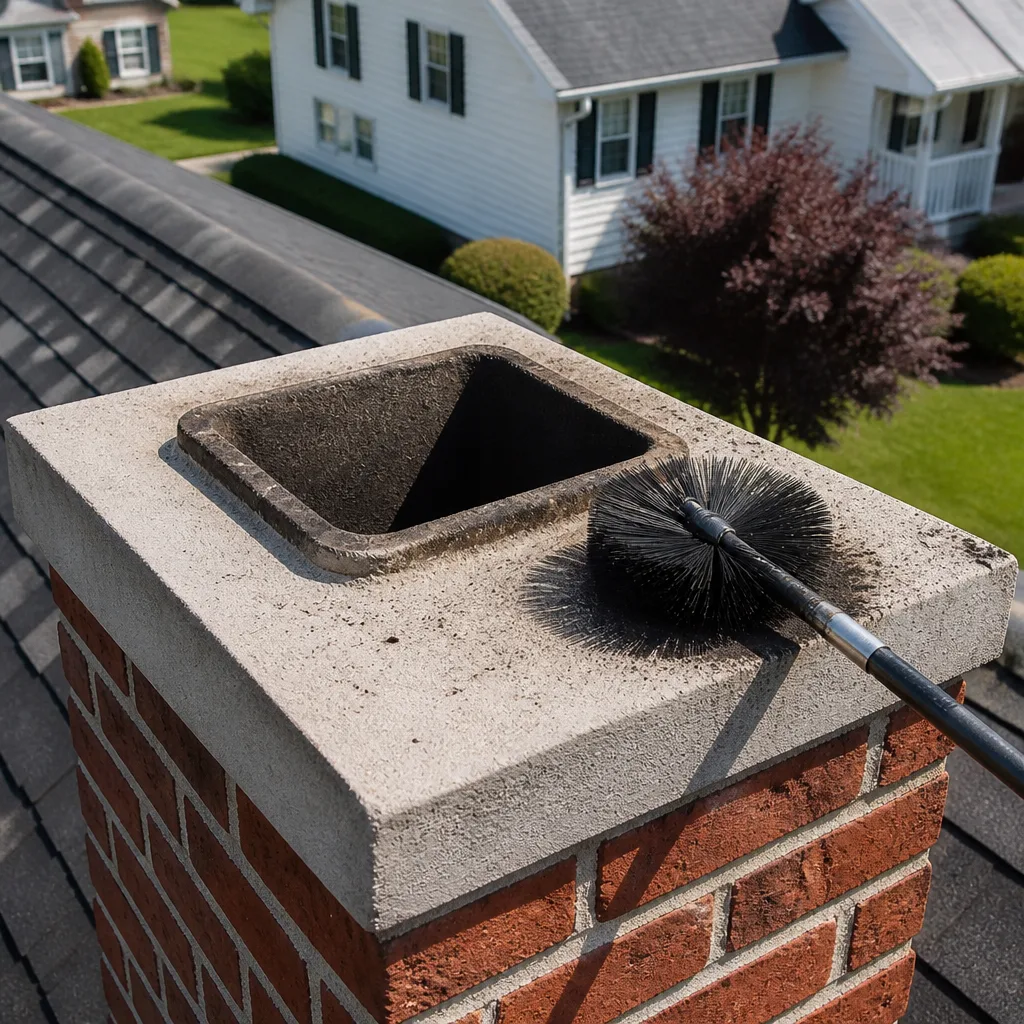 Sweep & inspection
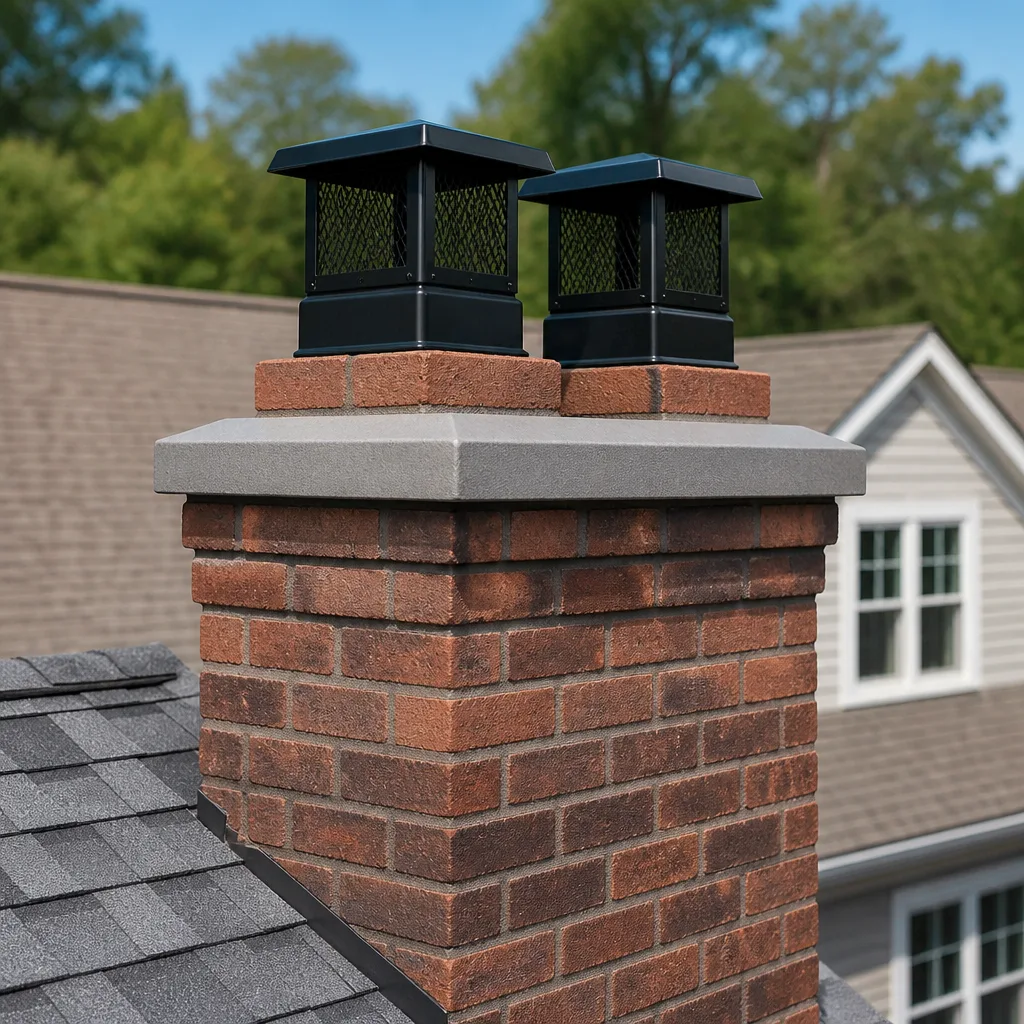 Caps & crowns
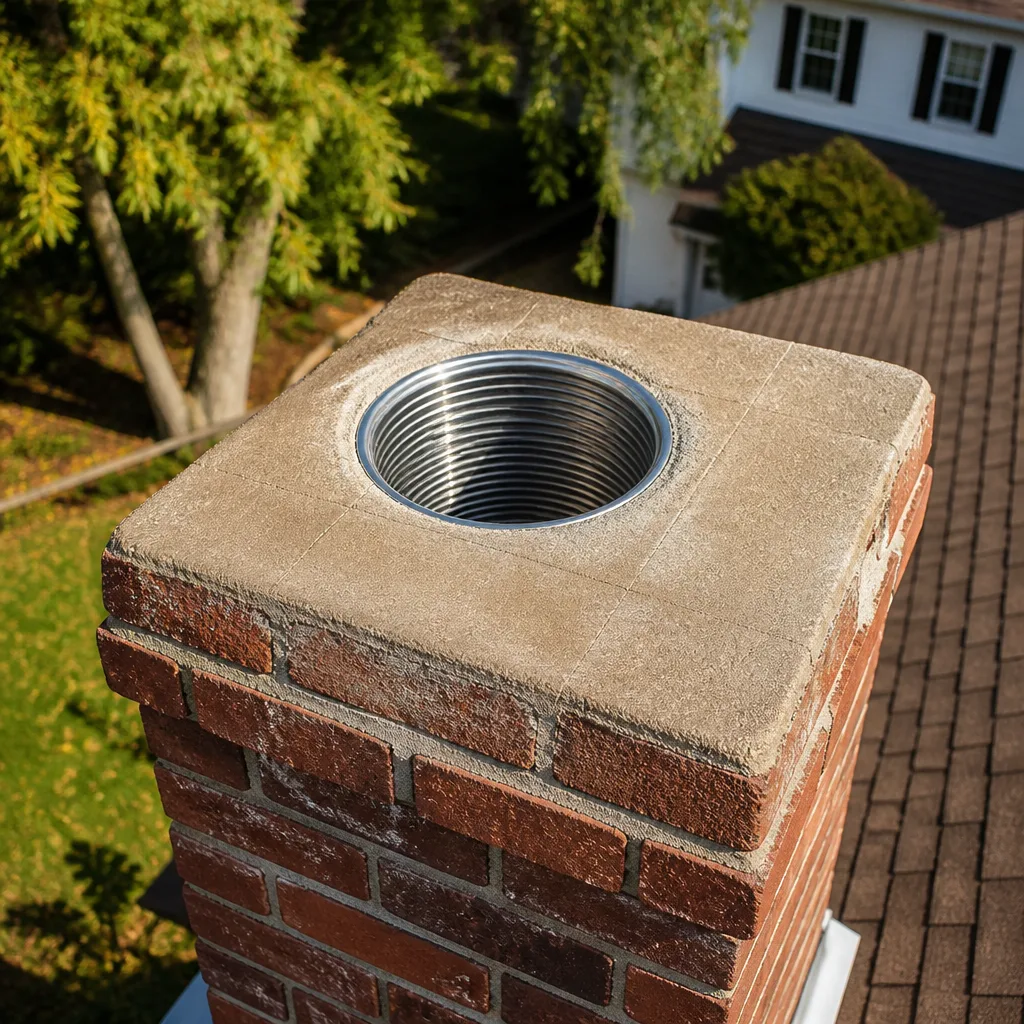 Flue relining
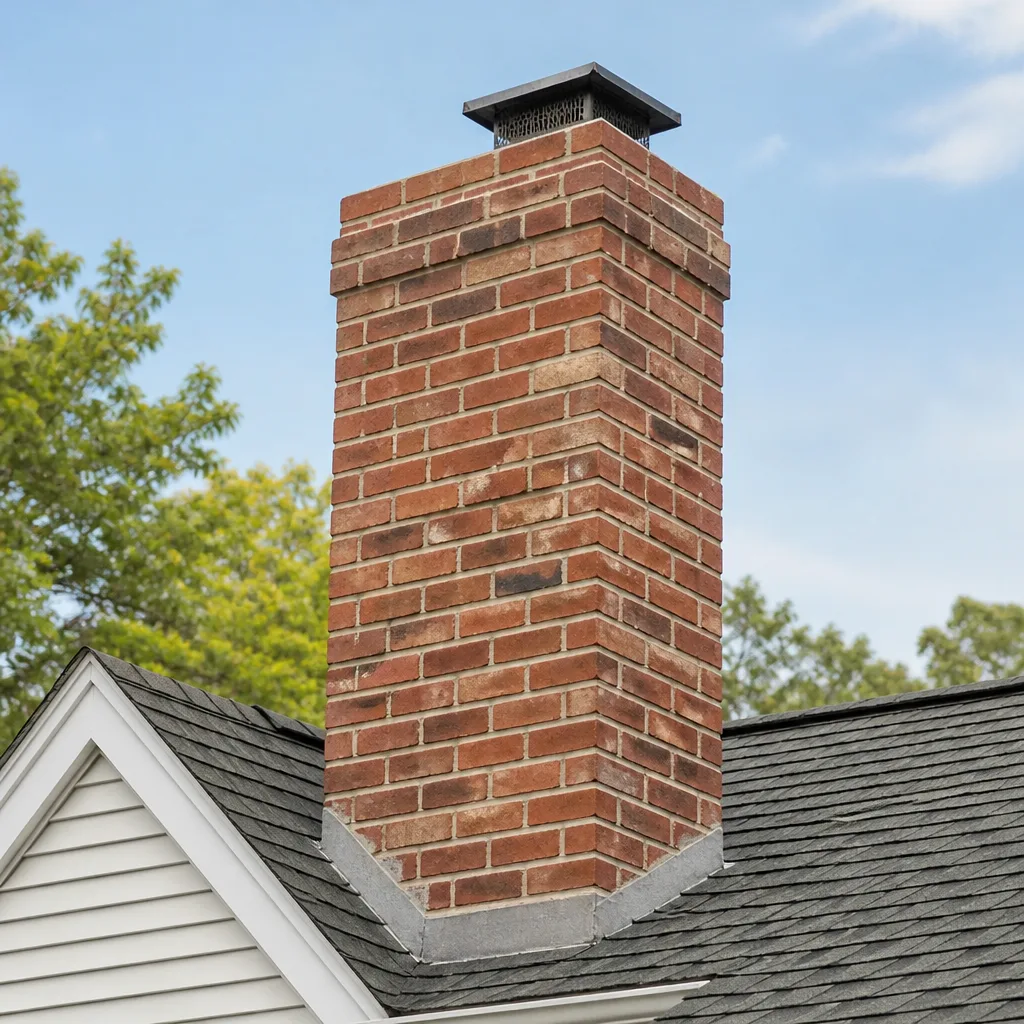 Masonry repair
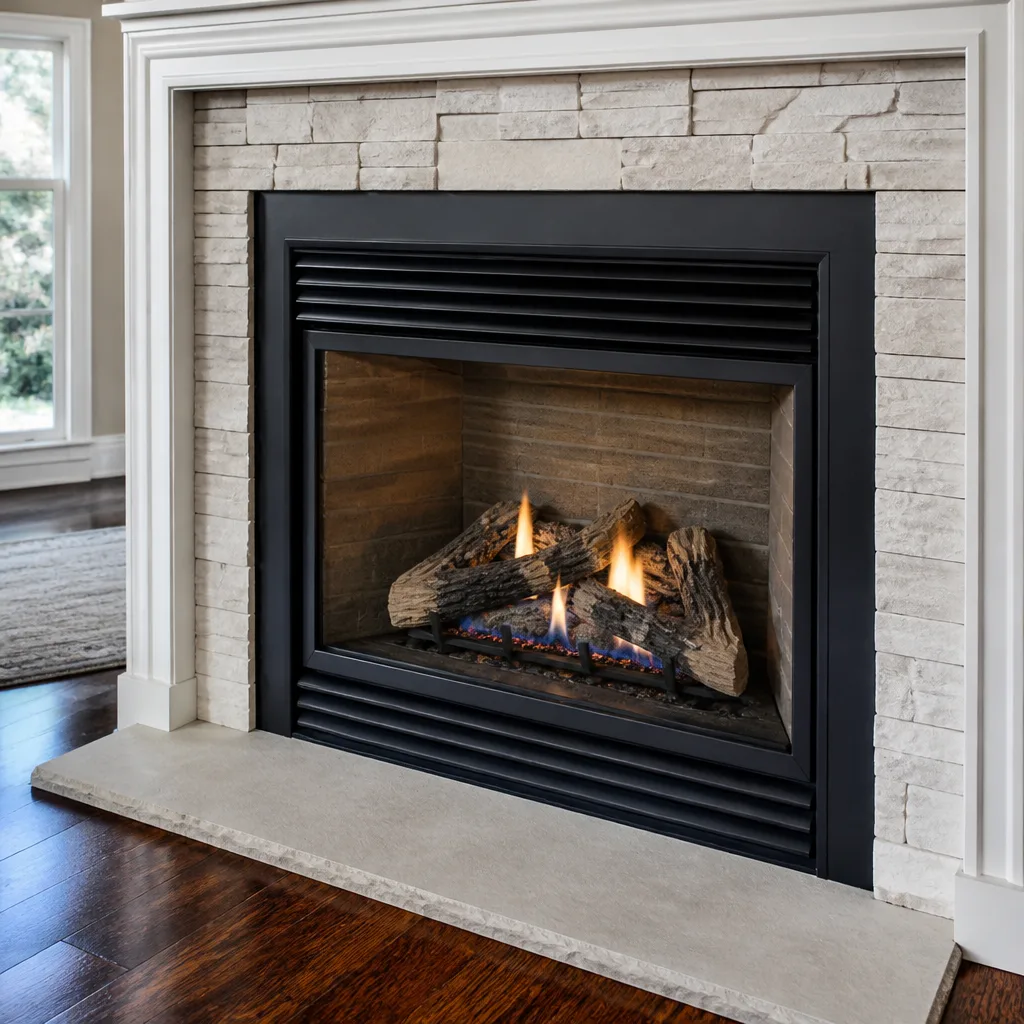 Gas fireplace service
Level 1 sweep and inspection to the NFPA 211 annual standard - flue, crown, cap, and flashing checked and photographed
Chimney sweep logs do not sweep chimneys. They loosen some creosote - which then falls where a brush and vacuum still have to collect it.
Chimney Cleaning Permits, Codes & Inspections in Crown Heights, NY: What You Need to Know
Here’s the part most homeowners get backwards: cleaning a chimney almost never needs a permit, but the repair that cleaning often uncovers usually does. In New York City, a flue liner replacement, a masonry rebuild above the roofline, or a new stove installation all fall under Department of Buildings rules. Unpermitted chimney work is one of the quiet red flags that surfaces during a home sale in older Brooklyn neighborhoods, and it can complicate insurance and title in ways nobody warns you about. This guide walks through where the line sits in Crown Heights, what the Fire Code and DOB actually require, and how to check your own property’s permit history before someone else does.
Quick Answer
A routine chimney cleaning and a Level 1 inspection require no permit in New York City. Structural work does: relining a flue, replacing a chimney above the roofline, altering masonry, or installing a new solid-fuel appliance generally needs a DOB permit pulled by a licensed contractor. NYC Fire Code Section 603 governs solid-fuel appliances and their maintenance, and NYC Local Law 11 (the Facade Inspection Safety Program, now FISP) can pull a chimney into a broader exterior inspection on certain buildings. When in doubt, check the permit history on your property and ask the DOB directly.
Styles & brands we work with
- Sweep & inspection
- Caps & crowns
- Flue relining
- Masonry repair
- Gas fireplace service
Table of Contents
- Does Chimney Cleaning Require a Permit in Crown Heights?
- NYC DOB: Which Chimney Work Triggers a Permit
- What NYC Fire Code Section 603 Requires
- Local Law 11 / FISP and Crown Heights Brownstones
- How to Pull Your Property’s Permit History
- Licensed Contractor vs. Certified Sweep
- Chimney Inspection Levels and What Each Covers
- When to Call a Professional
Does Chimney Cleaning Require a Permit in Crown Heights?
No. A standard chimney cleaning is routine maintenance, not construction, and the New York City Department of Buildings does not issue permits for it. Neither does a Level 1 inspection, which is the visual check that accompanies most annual sweeps. The confusion comes from how often a cleaning turns into a repair conversation. A technician runs a camera up a flue, finds cracked mortar joints or a failed liner, and suddenly the job involves removing and replacing material inside a chimney. That’s where the permit line sits, and it’s why we tell Crown Heights homeowners to think of cleaning and repair as two separate questions.
The distinction matters most in the older housing stock around Crown Heights. Brownstones and prewar rowhouses often carry chimney systems that have been patched, relined, or capped by a string of previous owners, sometimes well and sometimes not. If a past repair was done without a permit and never documented, nobody knows what’s inside that flue until it’s inspected. A cleaning alone won’t tell you whether the work was done legally, but a camera inspection during a sweep will show you what the flue actually looks like.
A scheduled chimney sweep is the right starting point for most homes. We book the sweep, run the camera, and show you the footage before anyone recommends a repair. That’s the “no guesswork” part of how we work: you see what we see, and if the flue can safely wait, we tell you so. If the flue needs structural work, that’s the point where permits enter the conversation.
What counts as routine maintenance
- Annual sweeping of a wood-burning flue
- Removing creosote and soot buildup
- Level 1 visual inspection of accessible portions
- Installing or replacing a chimney cap (typically no permit for a like-for-like cap)
- Cleaning a fireplace firebox
What usually counts as permitted work
- Relining a flue (liner replacement)
- Rebuilding masonry above the roofline
- New chimney construction or structural alteration
- Installing a new solid-fuel-burning appliance
- Converting a fireplace to a different fuel type
These are general categories, not a substitute for a direct answer from the DOB about your specific address. Rules evolve, and a Crown Heights brownstone with a shared party wall can raise questions a freestanding house doesn’t. Always confirm with the Department of Buildings before work begins.
NYC DOB: Which Chimney Work Triggers a Permit
The Department of Buildings regulates construction and alteration, and a chimney is part of the building’s structure. When you replace a flue liner, you are altering a component of the chimney system, which is why relining generally requires a permit pulled by a licensed contractor. Cleaning doesn’t alter anything, so it falls outside that framework. Cap and crown work sits in a gray zone: a straightforward cap replacement may not need one, but a crown rebuild or significant masonry repair often does.
In our experience walking Crown Heights properties, the biggest permit question is the liner. A failed clay tile liner is common in older flues, and the fix is usually a flexible stainless liner. That’s structural work, and it’s exactly the type of job that should show up on a permit record. When a homeowner tells us they had a liner “done” but there’s no paperwork, we treat that as a question to resolve, not a fact to trust.
The DOB work types that most often apply
- Alteration to an existing chimney system: relining, changing flue configuration, or modifying the smoke chamber.
- Structural masonry repair above the roofline: rebuilding a stack, addressing a leaning chimney, or repairing a compromised crown with structural implications.
- New appliance installation: putting in a wood stove or other solid-fuel appliance that connects to the chimney.
- Chimney demolition or removal: taking down a stack or abandoning a flue.
If you’re facing one of these, the permit is pulled by the licensed contractor doing the work. That contractor carries the license the DOB requires and can show it. We connect Crown Heights homeowners with local professionals who are licensed and insured as their state requires, and we’re clear about which parts of a job fall under that heading.
What NYC Fire Code Section 603 Requires
NYC Fire Code Section 603 addresses the maintenance of chimneys and solid-fuel-burning appliances. The core requirement is straightforward: chimneys and flues must be maintained in sound condition and kept free of obstructions and combustible deposits like creosote. The code also sets expectations for how appliances connect to the flue and how the system is kept safe over time. What it does not do is issue cleaning permits. It sets a maintenance standard, and compliance with that standard is what a professional sweep and inspection help you demonstrate.
The creosote piece is the one that matters most for Crown Heights. Creosote is a byproduct of burning wood, and in a cold-weather climate like ours, fireplaces and wood stoves get worked hard through the heating season. Buildup accumulates faster than people expect, and glazed creosote is the fuel source behind chimney fires. Section 603’s maintenance language is the code’s way of saying the flue has to be clean and sound, not just present.
There’s a second element worth understanding: the code expects the flue to vent properly. If a flue is blocked by a nest, a collapsed liner, or a poorly fitted cap, carbon monoxide can back up into the living space. That’s the real reason chimney maintenance isn’t optional. Carbon monoxide is odorless, and the symptom set (headache, nausea, drowsiness) is easy to write off. A working carbon monoxide detector and an annual inspection together address the risk directly.
Compliance with Section 603 is generally demonstrated through maintenance records and inspection documentation, not a permit. Keep your inspection reports. They’re useful at resale and they’re useful if an insurance adjuster ever asks.
Local Law 11 / FISP and Crown Heights Brownstones
Local Law 11, now administered as the Facade Inspection Safety Program or FISP, requires periodic inspection of exterior walls on certain buildings. It’s primarily a facade law, but a chimney is part of the building’s exterior envelope, and a chimney that’s leaning, spalling, or showing deteriorated mortar can get swept into a FISP report. For Crown Heights brownstone owners, this is where the chimney conversation and the exterior inspection conversation meet.
The FISP framework applies to buildings that meet the height and occupancy triggers in the law, and it’s handled by a qualified exterior inspector. A chimney sweep is not a FISP inspector, but a chimney inspection can surface conditions (cracked masonry, a failing crown, a chimney pulling away from the roofline) that a FISP inspector will flag if they’re not addressed first. That’s why we recommend handling chimney masonry issues on their own timeline, not waiting for a facade inspection to point them out.
What to watch for on a brownstone or rowhouse
- Spalling brick or crumbling mortar at the chimney stack
- A crown that’s cracked and letting water into the masonry
- A chimney that visually leans away from the roofline
- White staining on the brick (efflorescence), often a sign of water moving through the masonry
- A cap that’s missing or damaged, letting rain and animals into the flue
These are structural conditions that belong in a chimney repair scope, not a cleaning scope. A scheduled chimney cap & crown service handles the top of the system, which is where most water intrusion starts. In a Crown Heights climate with freezing winters, water that gets into masonry expands when it freezes and accelerates the damage. Getting it addressed early is cheaper than a rebuild.
How to Pull Your Property’s Permit History
This is one of the most useful things a homeowner can do, and almost nobody does it. The DOB keeps a public record of permit filings and completed work for most properties. If a past owner replaced a liner or rebuilt a chimney, that work should appear. If it doesn’t, you have a question worth resolving before you sell, refinance, or make an insurance claim. We walk Crown Heights homeowners through this regularly.
Step-by-step: checking your chimney’s permit history
- Gather your property identifiers. You’ll need the block and lot number (on your deed or property tax bill) and the address.
- Use the DOB’s online records. The Department of Buildings maintains a public portal where you can search by address or block/lot. Look for job filings, approved permits, and certificates of occupancy or completion.
- Look for chimney-related filings. Scan for alterations and job descriptions that mention chimney, flue, liner, or masonry.
- Cross-check with your closing documents. If you bought recently, your title search and seller’s disclosure may reference work done on the property.
- If there’s no record, ask questions. Contact the DOB directly about the specific address, or ask a licensed contractor to review the flue and document what’s there.
- Document what you find. Keep copies of permits, inspections, and any clearance documentation in your home records.
No record doesn’t automatically mean the work was done illegally. Small repairs don’t always require permits, and records do age off or fail to digitize. But for a liner replacement, an absent permit is a legitimate flag. It’s the kind of thing a buyer’s inspector will notice, and it’s better to resolve it on your own schedule.
Licensed Contractor vs. Certified Sweep
These are two different things, and the distinction matters when permitted work is involved. A certified chimney sweep is trained and credentialed to clean and inspect chimney systems. A licensed contractor holds the license the DOB requires to pull permits and perform structural work. Many jobs need both skill sets: the sweeping and inspection side to establish the condition, and the licensed side to execute permitted repairs.
Before any permitted chimney work begins in Crown Heights, verify two things: the contractor’s license and their insurance. The licensed status is what lets them file for the permit, and insurance protects you if something goes wrong. We don’t claim to hold a license number on this page because the right move is to ask, and any contractor doing permitted work should answer without hesitation. Ask for the license and the proof of insurance, and don’t accept a verbal yes.
What a certified sweep brings
- Cleaning that removes creosote and obstructions safely
- Camera inspection and a photo report you can review
- An honest read on whether a repair can wait or needs to happen now
- Documentation you can keep for insurance and resale
What a licensed contractor brings
- The ability to pull DOB permits for structural work
- Accountability to the building code and the inspection process
- Sign-off that closes out a permit with the DOB
Chimney Sweep Crown Heights is a chimney and fireplace specialist, not a general contractor, and our focus is the chimney system itself. When a job needs a licensed contractor for permitted work, we’re direct about that and connect you with a local professional who carries the license. When the job is a sweep, an inspection, cap and crown work, or a repair our trade covers, we handle it with materials built for flues. That includes HeatShield ceramic repair systems for resurfacing a deteriorating masonry flue, and DuraFlex flexible liners for relining jobs. We also work with Gelco and Olympia Chimney products where the system calls for them.
Chimney Inspection Levels and What Each Covers
Chimney inspections are not one thing. The industry recognizes three levels, and which one you need depends on what you’re trying to learn. Levels are aligned with NFPA 211, the national standard for chimneys, fireplaces, vents, and solid-fuel appliances. Most Crown Heights homeowners start with a Level 1, and the inspection escalates when there’s a reason.
Level 1 inspection
The basic visual check. It covers readily accessible portions of the chimney and appliance, and it’s the inspection that comes with an annual sweep. If you’ve been using the fireplace normally and nothing has changed, this is usually what you need.
Level 2 inspection
A more thorough look, typically including video camera scanning of the flue. It’s the level you want after a chimney fire, after a major weather event, when a property changes hands, or when a repair has been made and you need to confirm the flue is sound. During a home sale in Crown Heights, a Level 2 is often the standard. Our inspection services are built around the Level 1 and Level 2 standards, with the camera report you can review yourself.
Level 3 inspection
The most involved level, used when a Level 1 or 2 surfaces a concern that requires opening up part of the chimney or building construction to investigate. This is uncommon for a routine residential sweep and usually follows a specific finding.
Inspection at a glance
- Level 1: annual, visual, accessible portions
- Level 2: camera scanning, post-event or at sale, confirms the flue
- Level 3: investigative, opens construction when a specific concern requires it
If you’re not sure which level you need, start with a sweep and a Level 1. A technician can tell you in plain terms whether the situation calls for a Level 2. Nothing should be recommended without evidence you can see, and any substantial repair should come with a written estimate that sets the final price.
Common Mistakes to Avoid
- Assuming a cleaning permit exists. Cleaning doesn’t need a permit, so nobody should charge you for permit paperwork on a sweep. If a firm does, ask what work the permit actually covers.
- Skipping the permit on a liner replacement. A reline is structural work and generally requires a DOB permit pulled by a licensed contractor. Going without it is one of the most common red flags that surfaces at resale in Crown Heights.
- Not checking permit history before you sell. A buyer’s inspector will look at the chimney. A missing permit for past work is worth resolving on your own timeline rather than during a transaction.
- Letting a cap stay missing or broken. Rain, animals, and debris get into the flue, and water that freezes in Crown Heights masonry expands and accelerates cracking. A cap replacement is simple; a rebuild isn’t.
- Treating a cracked crown as cosmetic. A crown is the top of the chimney and the first line against water. A failing crown lets water into the masonry from above, which is hard to stop once it starts.
- Ignoring carbon monoxide risk. A blocked or damaged flue can vent exhaust back into the home. If you have a solid-fuel appliance and no working CO detector, that’s worth correcting.
- Trusting a flue you’ve never seen. Any substantial repair recommendation should come with camera footage and a written scope. If it doesn’t, ask for it before you agree to anything.
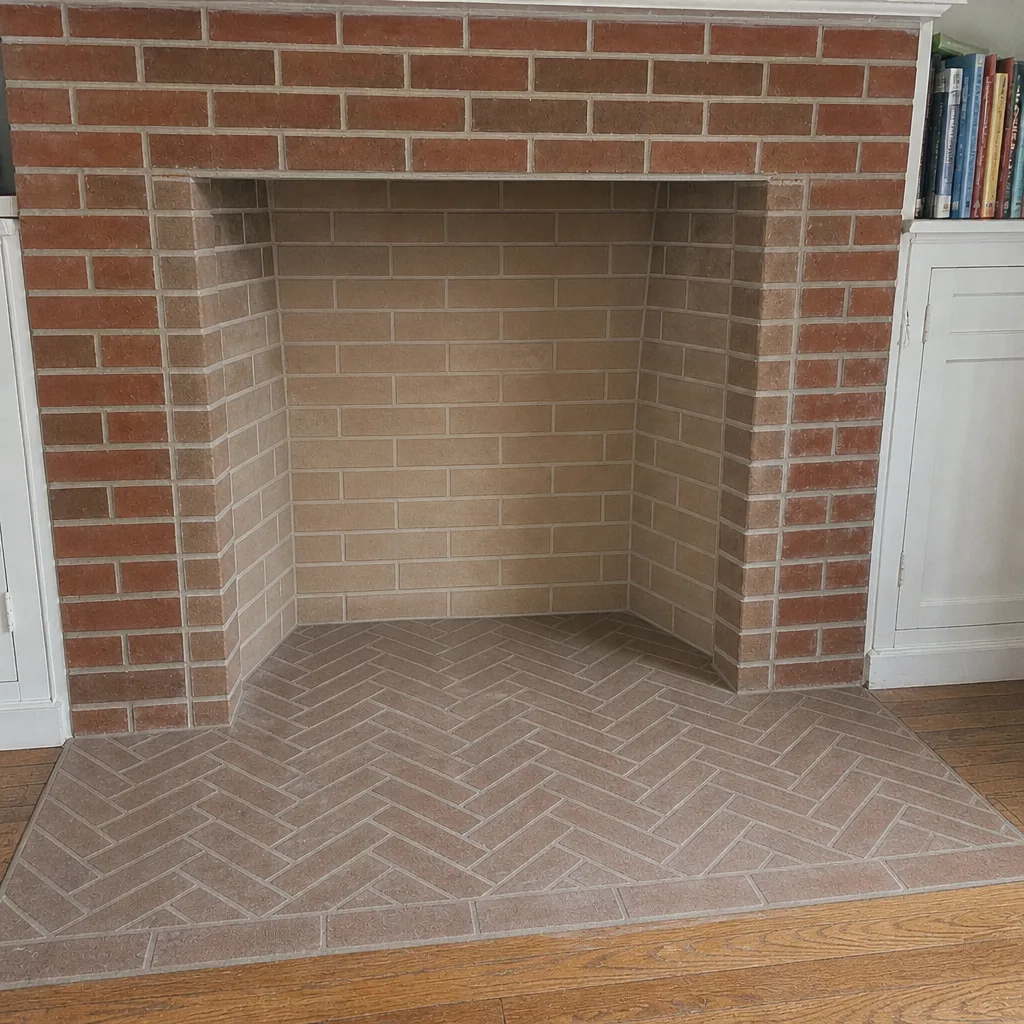
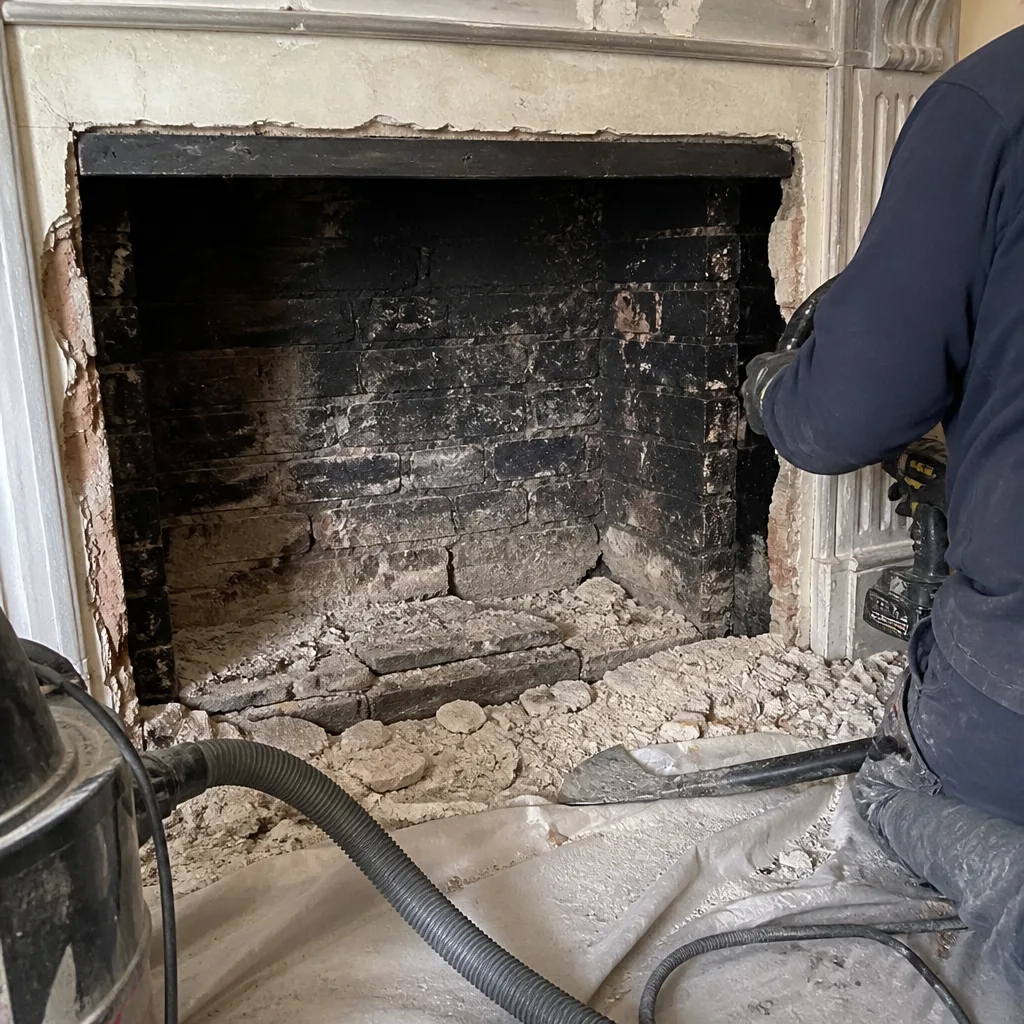
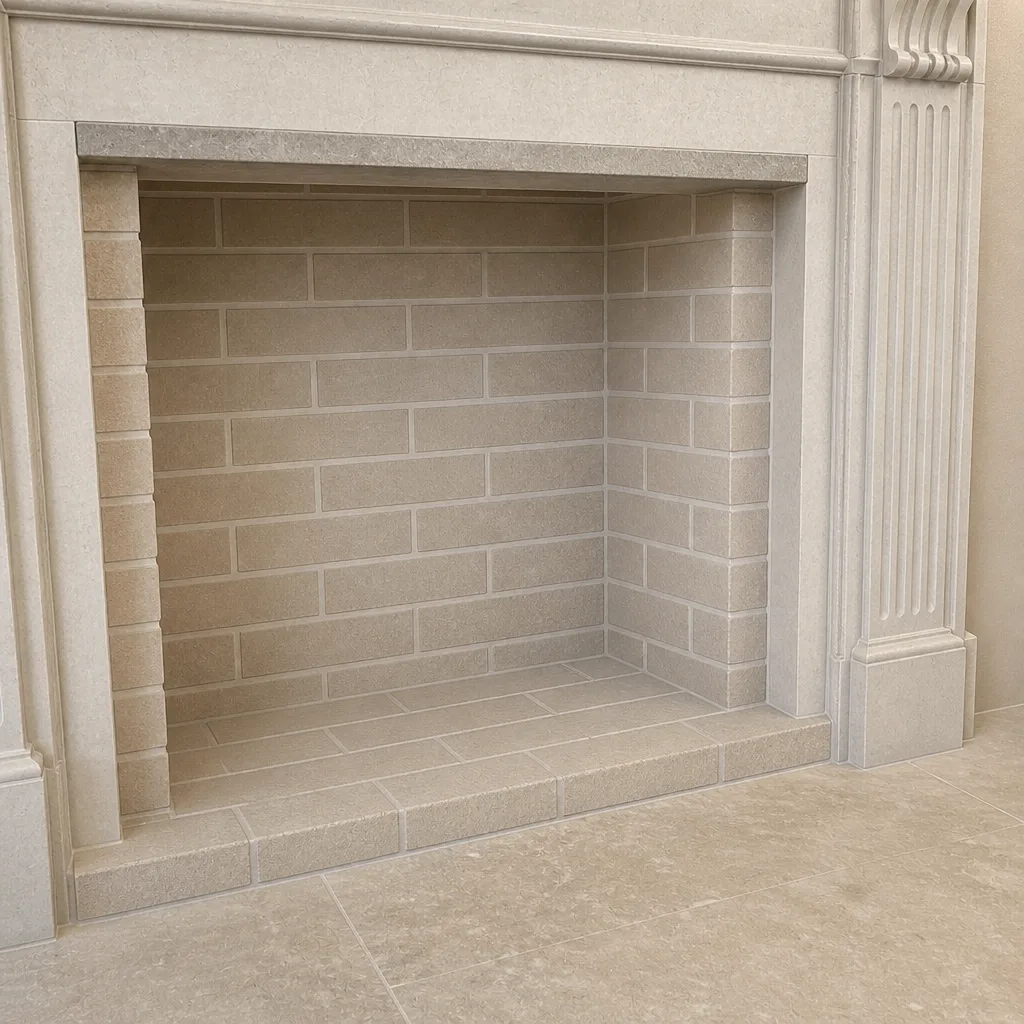
See the difference
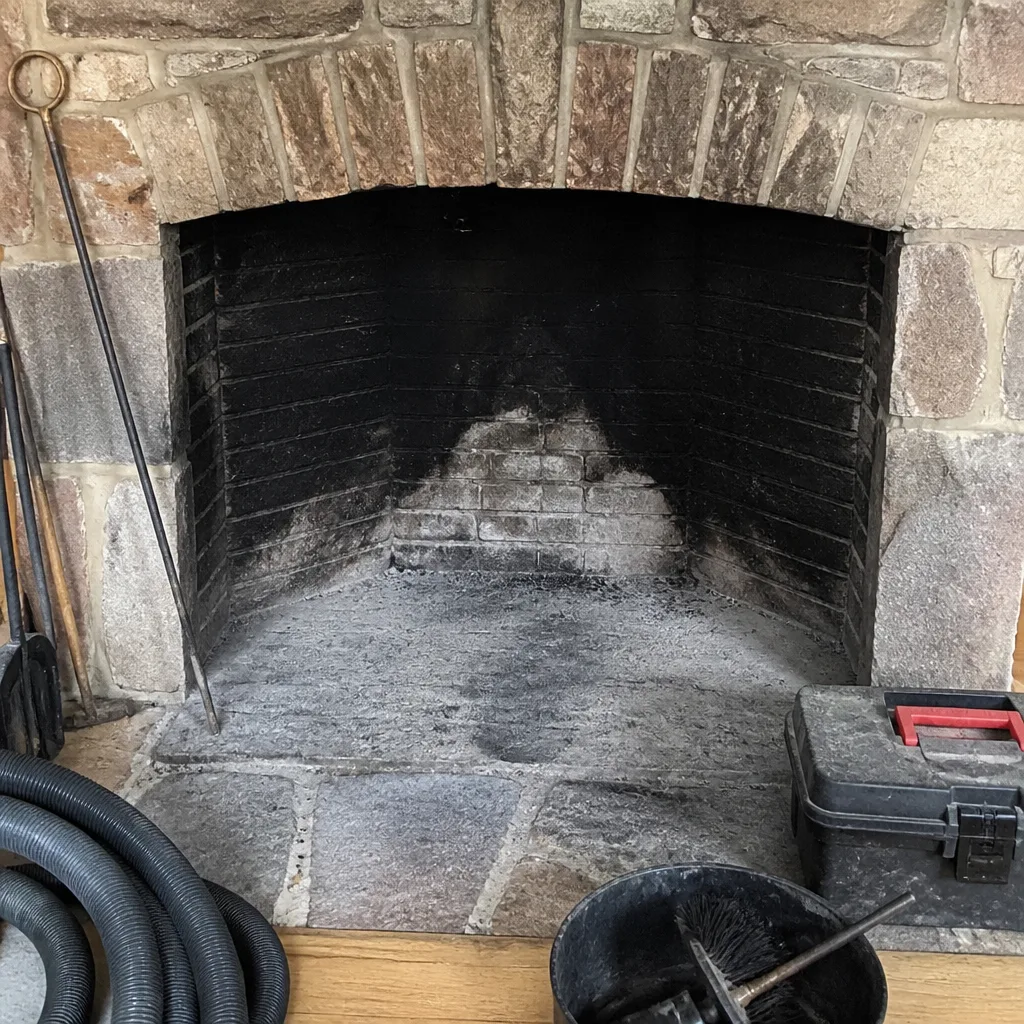 Before
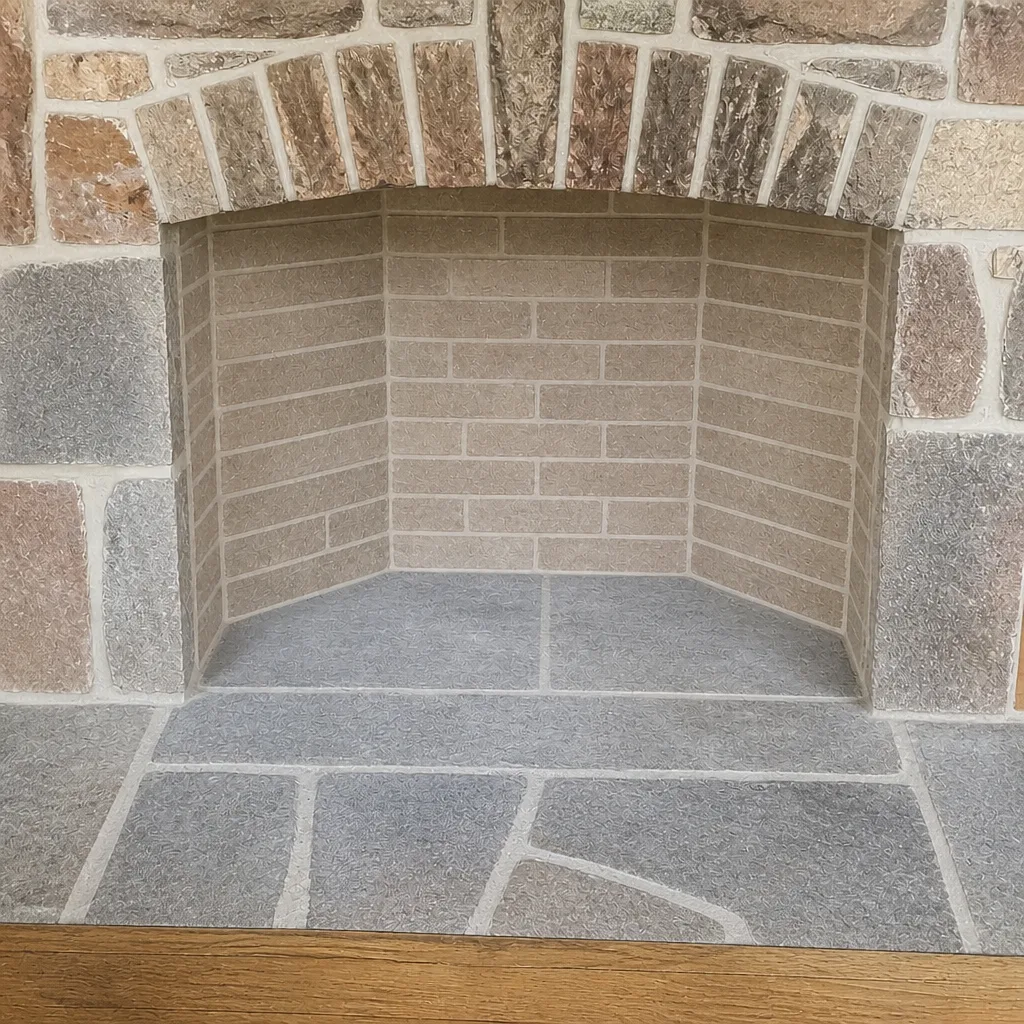 After
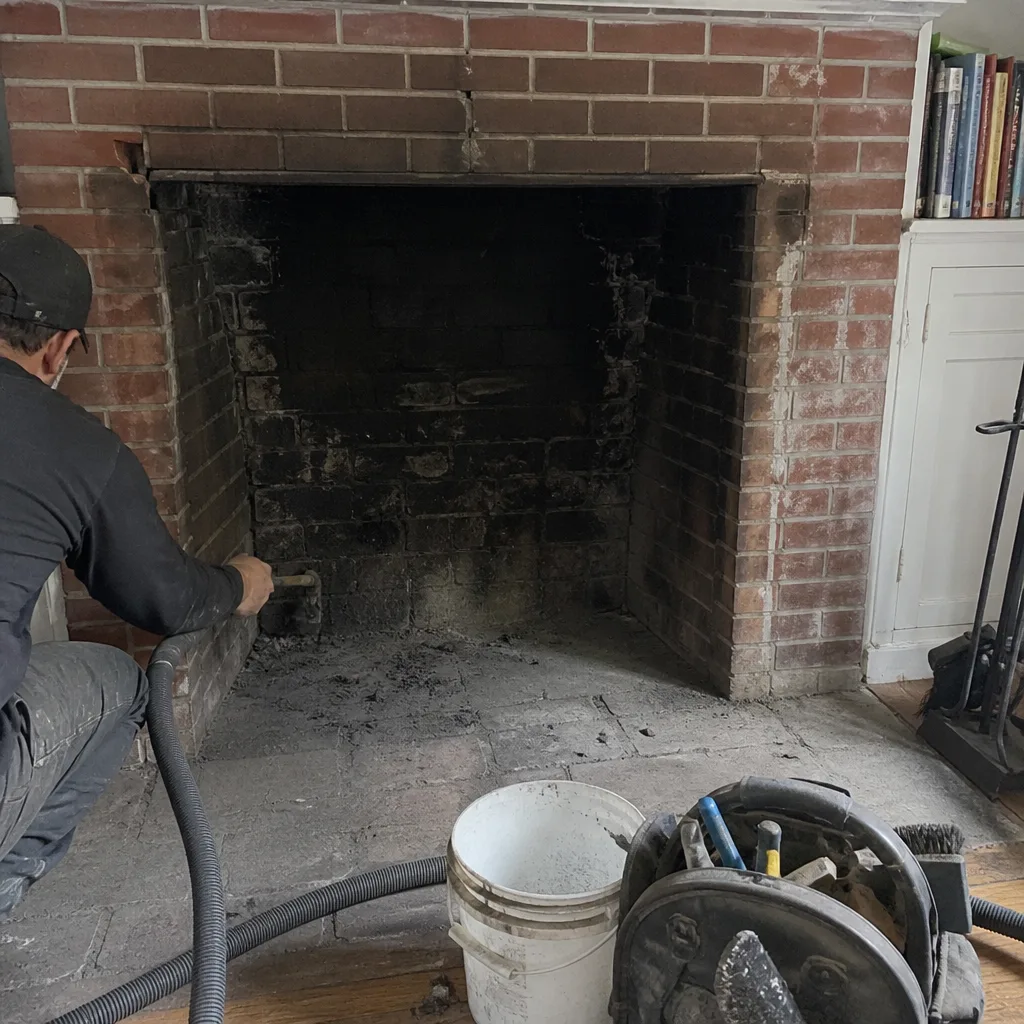 Before
 After
 Before
 After
When to Call a Professional
Call a professional when you smell a persistent creosote odor, when smoke backs into the room instead of going up the flue, when you see cracked masonry or a leaning stack, or when a CO detector has alarmed near the appliance. Call after any chimney fire, even one you think burned itself out quietly. Call before you buy or sell a home in Crown Heights, and call if you don’t know when the flue was last cleaned. A sweep and inspection establish the facts, and a repair only happens when the camera shows it’s needed. Chimney Sweep Crown Heights offers free estimates in Crown Heights. Call (833) 858-5823. We answer 24/7. Fast dispatch from 7am to 7pm, Sunday through Friday.
Frequently Asked Questions
No. A routine chimney cleaning and a Level 1 inspection do not require a permit in New York City. A permit becomes part of the conversation when the work is structural, such as relining the flue, rebuilding masonry above the roofline, or installing a new solid-fuel appliance. Those generally need a DOB permit pulled by a licensed contractor. Call (833) 858-5823 for an exact quote on a sweep. Estimates are free.
Relining a flue generally requires a DOB permit because it’s an alteration to the chimney system, not routine maintenance. The permit is pulled by the licensed contractor performing the work, and the job should close out with the department when it’s done. If you’re replacing a failed clay liner with a flexible stainless system like DuraFlex, plan for the permit as part of the project. Call (833) 858-5823 for a free estimate on the inspection that starts this process.
Use the DOB’s public records system. Search by address or by the block and lot number found on your deed, and review job filings and permits for chimney, flue, or masonry work. Cross-check the results against your closing documents. No record doesn’t prove the work was illegal, but for a liner replacement it’s a legitimate question to resolve. Call (833) 858-5823 for an inspection and a camera report you can keep with your records. Estimates are free.
It requires chimneys and flues to be maintained in sound condition and kept free of obstructions and combustible deposits like creosote. It sets a maintenance standard, not a cleaning permit. Following it means regular sweeping and inspection, which produces the documentation that demonstrates compliance. If you’re not sure where your flue stands, call (833) 858-5823 to schedule a sweep and inspection. Estimates are free.
Annually, for any chimney serving a solid-fuel appliance. A Level 1 inspection comes with the yearly sweep, and a Level 2 with camera scanning is appropriate after a chimney fire, after a major weather event, or when a property changes hands. In our experience, the freeze-thaw winters in Crown Heights make annual checks worthwhile even for a fireplace used only occasionally. Call (833) 858-5823 to book an inspection. Estimates are free.
The issue can surface during the buyer’s inspection or title search, and it can complicate the transaction until it’s resolved. The fix usually starts with an inspection that documents the flue’s condition, followed by permitted work if needed. Getting ahead of it on your own timeline is simpler than addressing it mid-sale. Call (833) 858-5823 for an inspection before you list. Estimates are free.
The Bottom Line
Cleaning a chimney doesn’t require a permit; repairing one often does. In Crown Heights, the permit line falls between routine maintenance and structural work, and the most common structural job that matters is the liner. Keep your sweep and inspection records, check your property’s permit history before you sell, and treat a missing permit on past liner work as a question to resolve. NYC Fire Code Section 603 sets the maintenance standard, Local Law 11 can pull the chimney into an exterior inspection, and a camera inspection is what tells you what your flue actually needs. When a repair can wait, we say so. When it can’t, you’ll have the evidence in hand, a written estimate, and a licensed professional connected for the permitted work.
One specialist for the full chimney system: sweep, inspection, cap and crown, chimney repair, and material built for flues. Call (833) 858-5823 for a free estimate in Crown Heights. We answer 24/7. Fast dispatch from 7am to 7pm, Sunday through Friday, with Chimney Sweep Crown Heights ready to help.
Written by the team at Chimney Sweep Crown Heights.