
Last updated November 22, 2026
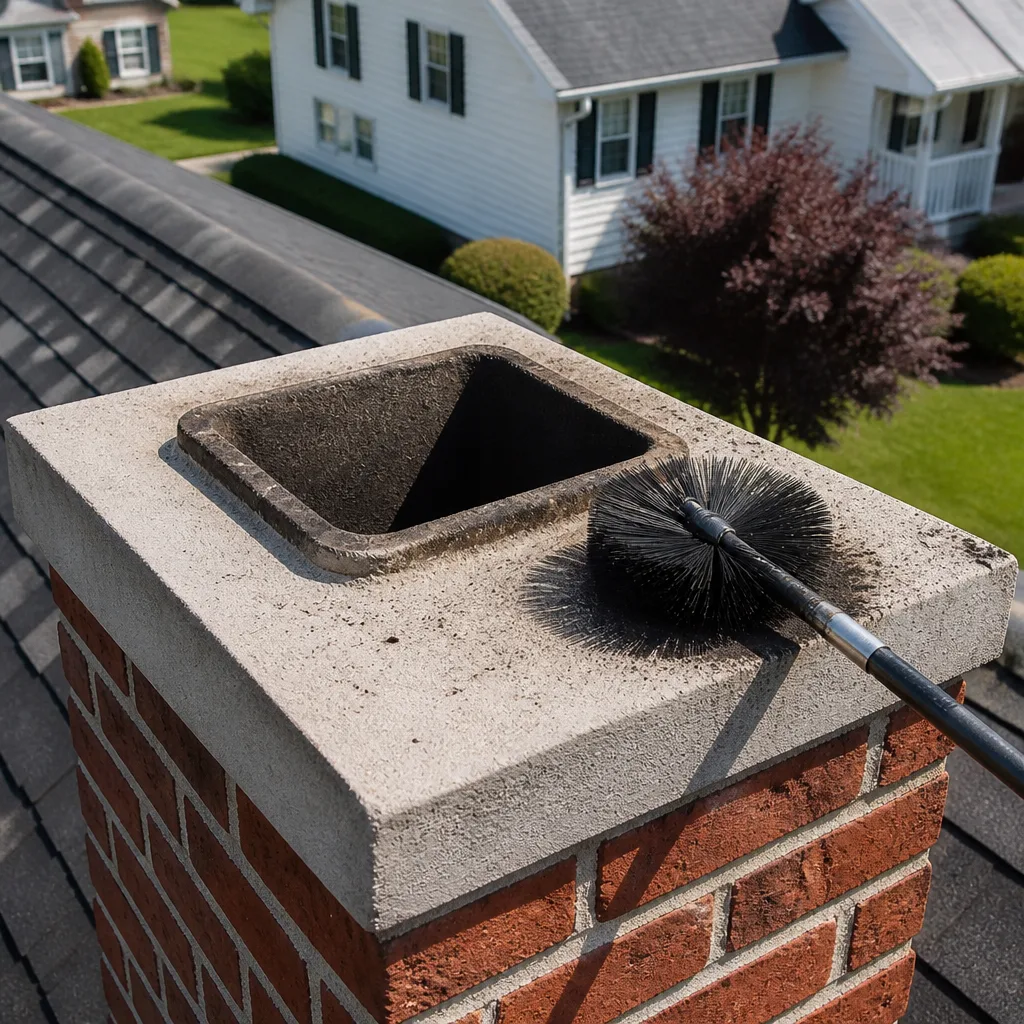 Sweep & inspection
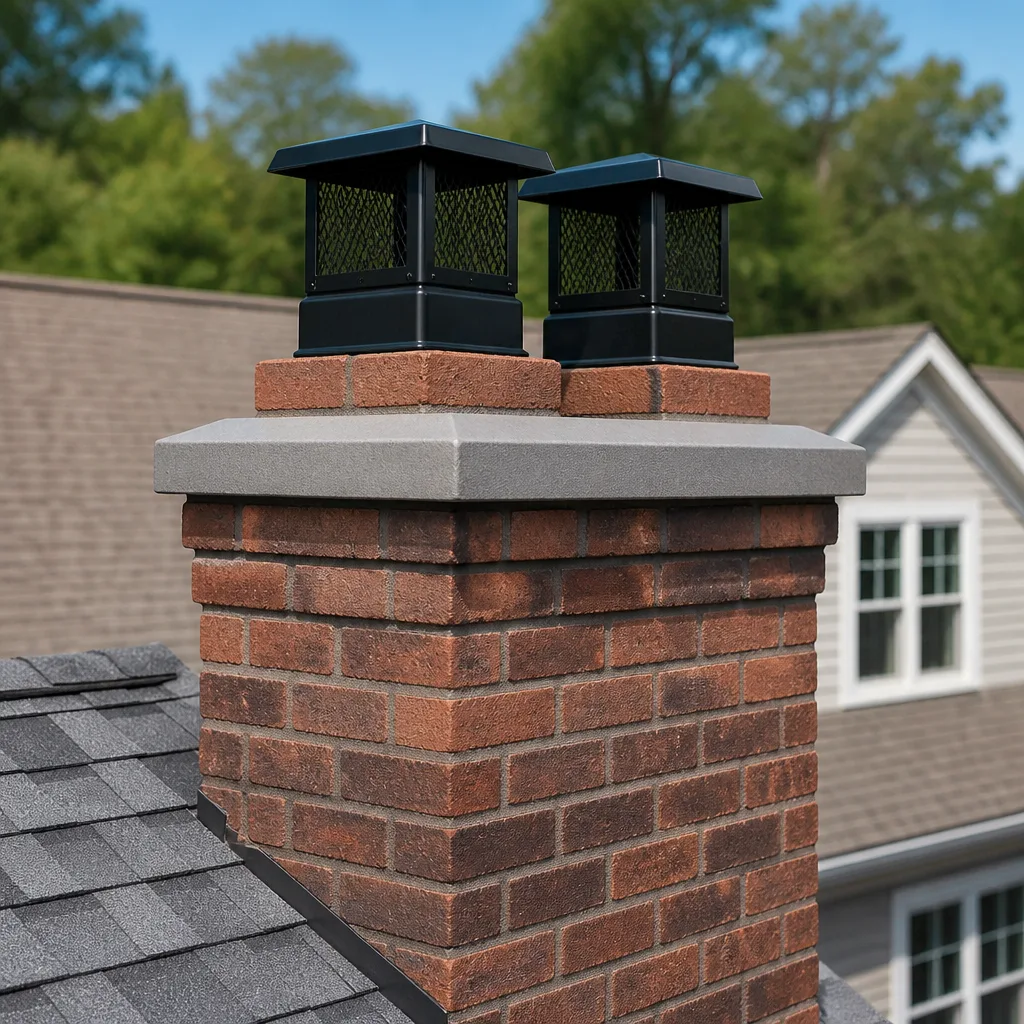 Caps & crowns
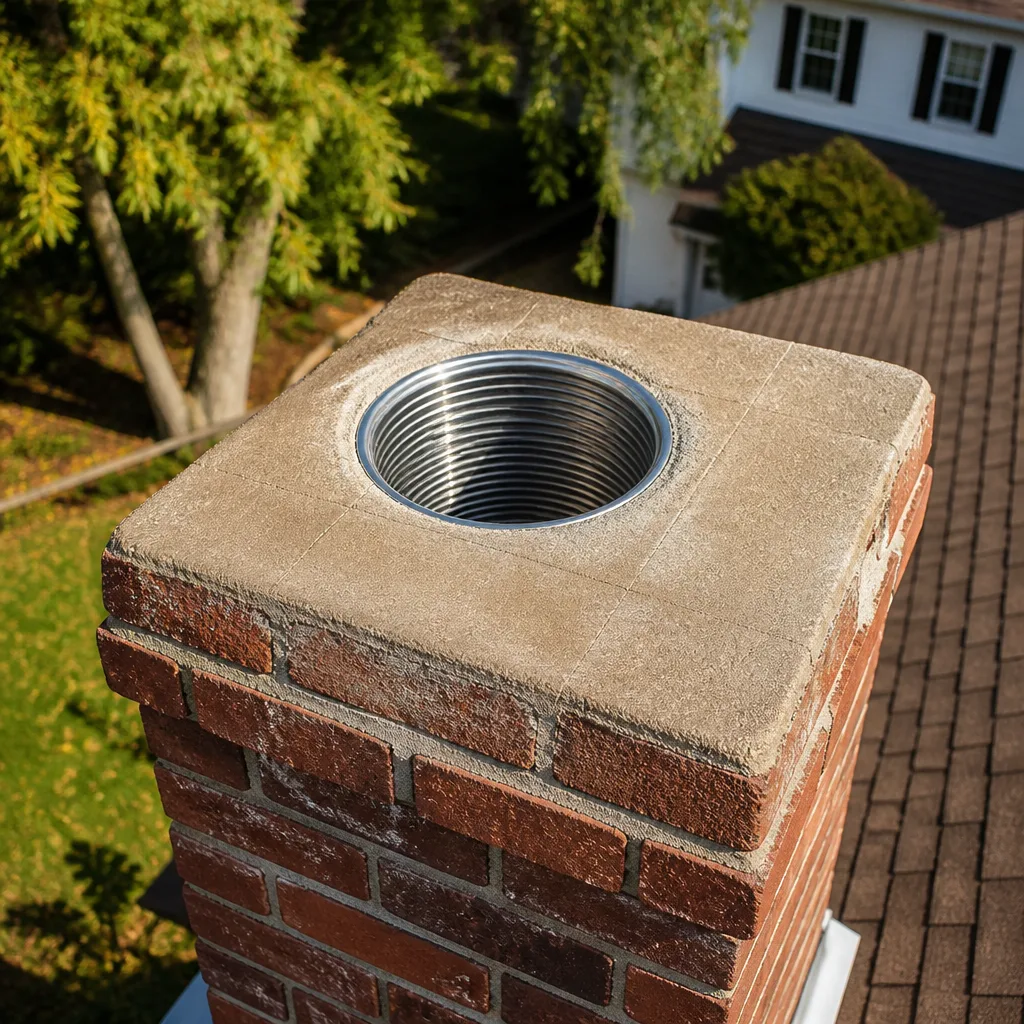 Flue relining
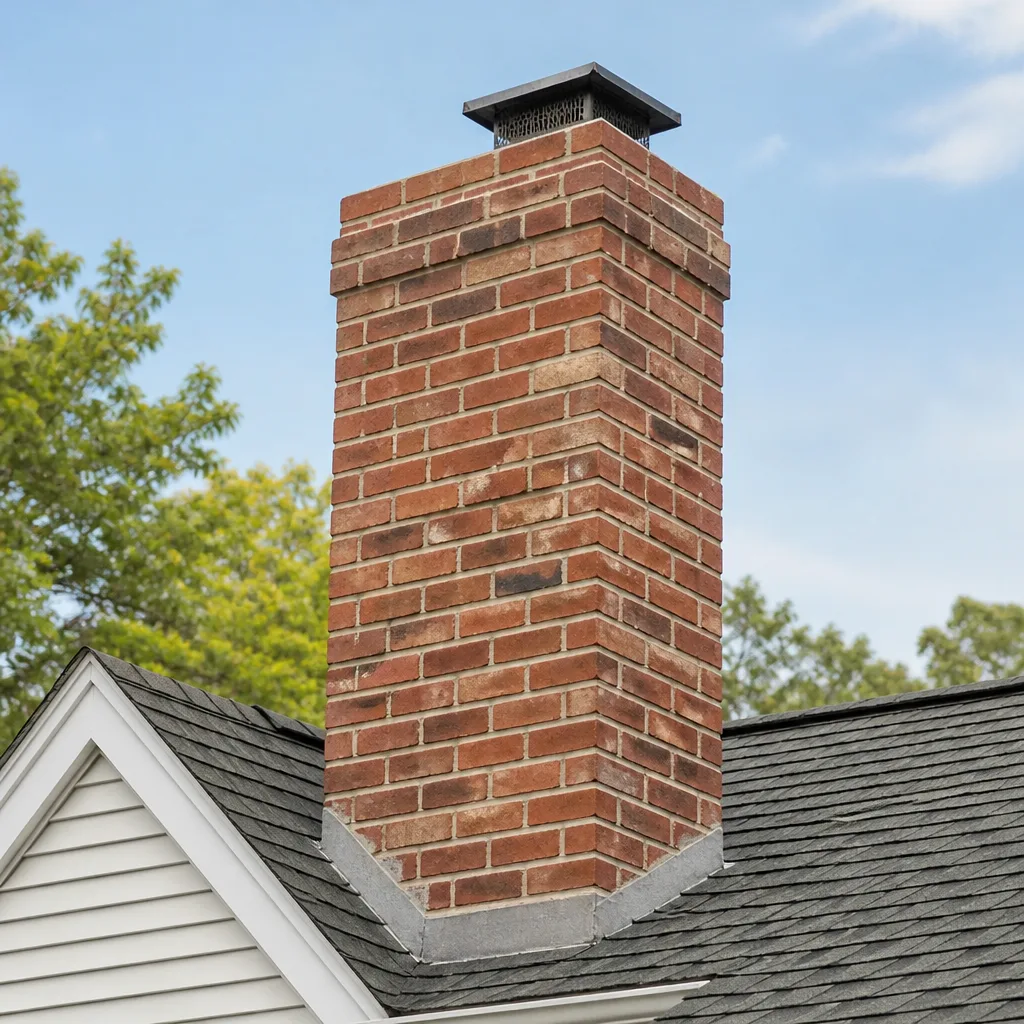 Masonry repair
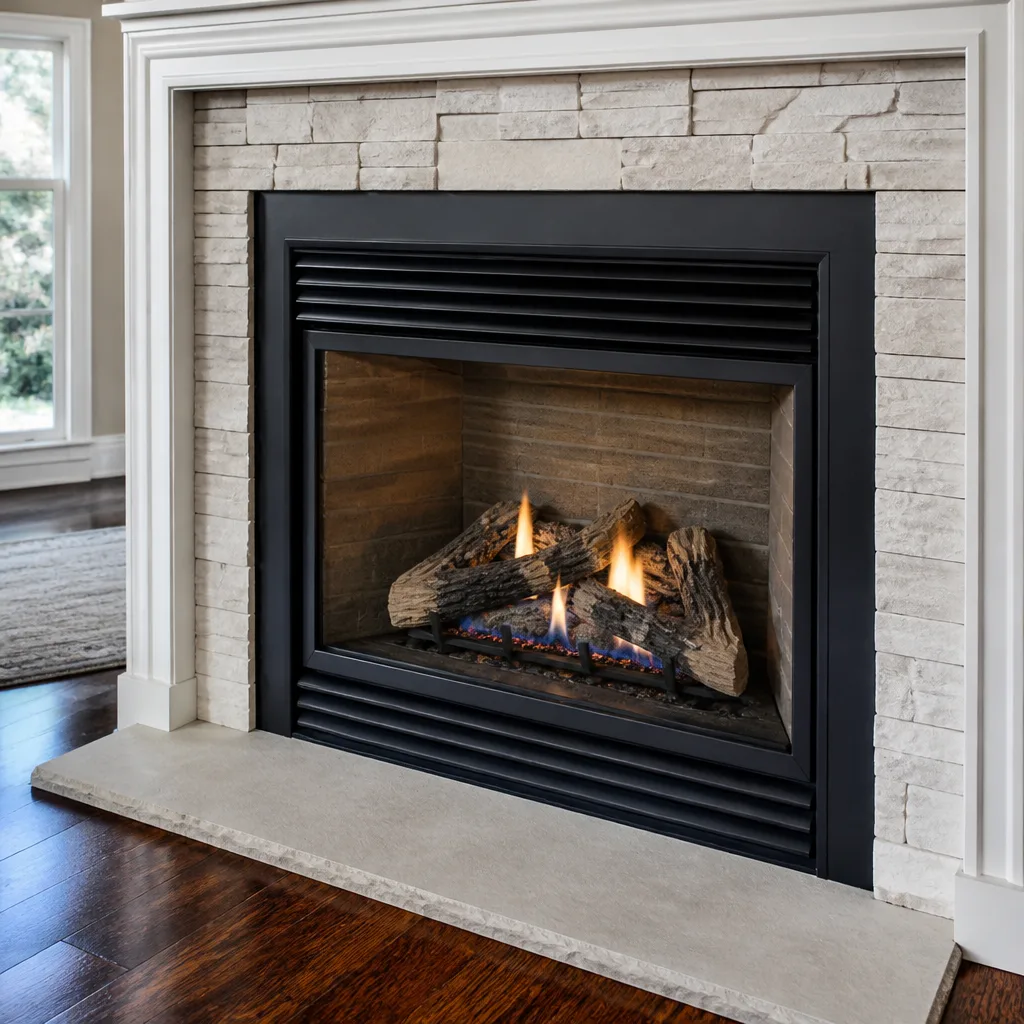 Gas fireplace service
Level 1 sweep and inspection to the NFPA 211 annual standard - flue, crown, cap, and flashing checked and photographed
Chimney sweep logs do not sweep chimneys. They loosen some creosote - which then falls where a brush and vacuum still have to collect it.
The Complete Guide to Chimney Cleaning in Crown Heights
Most chimney fires in urban rowhouses don’t stay inside the flue. That’s the part that surprises people. In an attached Crown Heights brownstone, your chimney shares masonry with the house next door, and creosote that ignites in one flue can push heat and smoke through cracks into brick that belongs to two households at once. So “chimney cleaning” in Crown Heights has to mean more than a brush down the flue. It has to mean looking at the whole system: cap, crown, liner, firebox, and the masonry that ties your house to the one beside it. This guide maps what actually happens on these blocks, how the neighborhood’s rowhouse stock and hard Brooklyn winters change the maintenance math, and how to read a sweep report so you spend money where it counts.
Quick Answer
Chimney cleaning in Crown Heights means sweeping creosote from the flue, inspecting the full system from cap to firebox, and checking the shared masonry and liner that attached rowhouses depend on. Most wood-burning chimneys need a sweep once a year or whenever creosote builds to about an eighth of an inch. In Crown Heights, the pre-1940 attached brownstones and hard freeze-thaw winters make an annual inspection as important as the sweep itself.
Styles & brands we work with
- Sweep & inspection
- Caps & crowns
- Flue relining
- Masonry repair
- Gas fireplace service
Table of Contents
- Why Crown Heights Chimneys Are Different
- How Creosote Builds in Attached Brownstones
- CSIA Level 1, 2, and 3 Inspections: Which One Do You Need?
- How Brooklyn Winters and Freeze-Thaw Cycles Wear Down Liners
- What a Full-Service Sweep Visit Actually Covers
- How to Read a Chimney Sweep Report
- How Often Should You Schedule Cleaning?
- Common Mistakes to Avoid
Why Crown Heights Chimneys Are Different
Crown Heights is a neighborhood of attached rowhouses and brownstones, many of them built before 1940, and that single fact shapes nearly every chimney problem we see here. A standalone suburban house has four exterior walls and a chimney that stands on its own. A Crown Heights rowhouse shares party walls with its neighbors, and the chimney stack often rises through masonry that’s structurally connected to the house next door. When a flue liner cracks or a crown fails, the damage doesn’t stay politely within one property line.
Those older homes were built with clay-tile flue liners, and clay tile is a good material that simply ages. Over decades of heating and cooling, the mortar joints between tiles can crack, tiles can shift, and gaps open up. In an attached brownstone, a gap in the liner is a path for heat and combustion gases to reach the surrounding brick and, in the worst case, the shared wall structure.
The housing stock also means chimney access varies block to block. Some Crown Heights homes have chimneys that rise along a party wall where the cap is easy to reach from a roof hatch. Others sit mid-block with a stack shared between two addresses, and the roofline is tight. A sweep who works in Crown Heights regularly knows how to read those rooflines before anyone climbs up.
What that means for you as a homeowner:
- An annual inspection matters more than in a detached house, because problems can cross into shared masonry.
- Clay-tile liners in pre-1940 homes need to be checked for cracked joints, not just swept.
- Caps and crowns take a beating from freeze-thaw, and a failed crown lets water into the stack.
- Documentation of your chimney’s condition is worth keeping, especially if you share a wall with neighbors.
If you want a single specialist to handle the whole system, that’s exactly what Chimney Sweep Crown Heights does. Sweep, inspect, cap, crown, repair, and reline, all under one visit and one accountable point of contact.
How Creosote Builds in Attached Brownstones
Creosote is the tar-like residue left behind when wood smoke cools before it leaves the flue, and it accumulates differently in a Crown Heights rowhouse than in a standalone home. The reason is flue temperature. An interior chimney that runs up through the warm core of an attached brownstone stays warmer than an exterior chimney on a detached house, which sounds good, and partly is. Warmer flue walls mean less condensation of creosote on the surface. But the same shared masonry that insulates the flue also holds heat in, and when a fire burns cool or the wood is damp, that trapped warmth becomes a place for creosote to bake onto the liner in hard, glazed layers.
Glazed creosote is the stubborn kind. It’s the residue that a standard brush can’t fully remove, and it’s the fuel that turns a small flue fire into a serious one. In our experience across Crown Heights, the homes that build glazed creosote fastest tend to be the ones burning unseasoned wood or running the fire low and slow to stretch a cord. That’s a habit, not a flaw in the house. It’s fixable.
How creosote accumulates, stage by stage:
- Stage 1, soot and light fluff. A thin, dusty coating. A routine sweep removes it completely. This is where an annual cleaning keeps you.
- Stage 2, hardened flakes and crust. Creosote has baked on. A stiff brush handles most of it, but some scraping may be needed.
- Stage 3, glazed and tar-like. Hard, shiny, and stubborn. This is the dangerous stage, and it calls for a chemical treatment and a follow-up sweep to break it down.
The single best way to slow creosote build-up in a Crown Heights home is to burn dry, seasoned wood and keep fires hot enough to send smoke up and out rather than letting it linger. Second best is an annual sweep before the heating season starts, so you begin cold weather with a clean flue. The Crown Heights rowhouse stock rewards a scheduled approach: sweep in late summer or early fall, before the first real cold snap sends everyone to the woodpile.
CSIA Level 1, 2, and 3 Inspections: Which One Do You Need?
The Chimney Safety Institute of America (CSIA) defines three levels of inspection, and knowing which one applies to your situation saves you from paying for more than you need, or less than you should. Level 1 is a visual check of accessible parts. Level 2 adds a video camera scan of the flue interior and is required after a property changes hands, after a chimney fire, or when you change fuel type or appliance. Level 3 involves opening up parts of the chimney or wall to reach hidden areas, and it’s rare.
That middle level, Level 2, is the one Crown Heights buyers and new owners should pay attention to. If you just bought a brownstone on a block near Eastern Parkway or up toward Crown Street and you don’t have a recent inspection report, a Level 2 is the right call. It’s the level that finds the cracked clay-tile joints and hidden liner gaps that a visual check from the firebox can’t see. A camera scan shows you the inside of your flue, and you can watch the screen while it happens.
Which level fits your situation:
- Level 1: Annual maintenance on a chimney you already know, with no changes to the system and no known problems. Visual check of the firebox, damper, flue, cap, and accessible exterior.
- Level 2: After buying a Crown Heights home, after a chimney fire, after a change in fuel or appliance, after an earthquake or severe weather event, or when you’re adding a new liner or cap. Includes a camera scan of the flue.
- Level 3: When a Level 2 finds a problem that can’t be diagnosed without opening the chimney structure. Reserved for serious structural concerns.
Inspection isn’t an upsell tacked onto a sweep. It’s how a specialist knows what the sweep actually needs to accomplish. When a Crown Heights homeowner calls for a chimney sweep, the inspection rides along because the two belong together. You want the sweep to sweep, and you want the report to tell you whether a repair needs to happen now or can safely wait. Our inspections are aligned with NFPA 211 Level 1 and Level 2 standards, and the camera findings are shared with you so you’re making decisions on evidence, not on someone’s word.
How Brooklyn Winters and Freeze-Thaw Cycles Wear Down Liners
Brooklyn winters are hard on chimneys, and the mechanism is freeze-thaw. Water gets into masonry through a failed crown or cap, sits in the pores of the brick and the clay-tile liner, then expands when it freezes. That expansion is what cracks tiles, opens mortar joints, and spalls the face of the brick. Over one or two seasons a small crack becomes a real liner problem. Over five, a well-built flue can be compromised.
Crown Heights gets the full version of this. The neighborhood sits close to sea level with a humid climate in summer and cold winters with repeated freeze-thaw swings. The masonry absorbs moisture in the damp months, then winter arrives and the cycle starts. Add in the fact that many of these brownstones are attached, which limits airflow around the shared walls and can let moisture linger, and you get a housing stock that’s especially exposed to freeze-thaw liner damage.
Hard water plays a supporting role. Crown Heights homes on the older plumbing often have mineral-heavy water, and while that’s a plumbing issue rather than a chimney one, it’s a signal that the building’s systems are older and worth inspecting carefully. The chimney is one of them. A liner doesn’t fail because of water chemistry, it fails because of moisture getting in and freezing. Sealing the top of the system with a proper cap and a sound crown is the highest-value defense you have.
What to watch for after a Brooklyn winter:
- Cracked or spalling brick on the chimney stack above the roofline.
- Missing or damaged cap, or a cap that’s lost its mesh.
- A crown with visible cracks or pieces breaking away from the flue.
- Water stains or efflorescence (white chalky deposits) on the chimney exterior or inside the firebox.
- Rust on the damper or firebox hardware.
A chimney cap & crown repair or replacement in Crown Heights is often the single most cost-effective step you can take, because it stops the water that drives the freeze-thaw damage in the first place. We handle this in-house with materials made for flue environments, using professional-grade brands like Olympia Chimney and Gelco for crowns and caps that hold up through the winters.
What a Full-Service Sweep Visit Actually Covers
A full-service sweep from cap to firebox covers a specific checklist, and knowing what’s on it helps you tell a thorough visit from a thin one. It’s not just running a brush down the flue. It’s looking at the whole system and documenting what’s found.
What a full-service sweep in Crown Heights should include:
- Protect the room. Drop cloths and a vacuum with a HEPA filter, so the fireplace and surrounding floor stay clean. In a Crown Heights living room with original wood trim and plaster, that matters.
- Sweep the flue. Brushing top-down or bottom-up depending on access, removing creosote and soot from the flue walls.
- Clean the firebox and smoke chamber. The firebox floor, the damper, and the smoke shelf above it, which collects debris.
- Inspect the damper. It should open, close, and seal properly, and it should be free of rust and debris.
- Check the cap and crown. From the roof or access point, look at the cap, crown, and the top of the flue for damage.
- Look at the exterior stack. Check for cracked brick, failing mortar joints, and signs of water intrusion.
- Document findings. A written report with photos or video of the flue interior, so you know exactly what was found and what, if anything, needs follow-up.
What a sweep visit usually does not cover: it doesn’t include structural masonry repair, a full reline, or rebuilding a firebox. Those are separate scopes, priced per job by a written estimate. A good sweep report will tell you whether any of those bigger jobs is needed, and whether it needs to happen now or can wait until spring. We do handle those repairs, using HeatShield ceramic repair systems for flue resurfacing and DuraFlex liner systems when a reline is the right answer. If your chimney needs a chimney repair beyond a sweep, the same visit can scope it out, so you’re not waiting on a second contractor or getting referred to someone else.
If you’re scheduling a visit and want to know what to expect on the day, call (833) 858-5823. We answer 24/7. Fast dispatch from 7am to 7pm, Sunday through Friday.
How to Read a Chimney Sweep Report
A sweep report is your roadmap for what to fix and when, and knowing how to read one is how you avoid being told you need thousands of dollars of work you can’t verify. The report should include photos or camera footage of the flue interior, a written description of each finding, and a clear indication of urgency: what needs to happen now, what can wait a season, and what should simply be watched.
Here’s how to prioritize the findings using a simple three-tier system:
- Now. Anything that affects fire safety or is actively getting worse. A cracked flue liner with gaps, a damaged crown letting water in, a blocked flue, or heavy glazed creosote. These are the items to book first.
- This season. Wear that will become a problem within a year. A cap with a damaged mesh, a damper that sticks, a small crack in the crown. Fix these before winter so they don’t turn into “now” items.
- Watch. Minor hairline cracks or small amounts of surface spalling that aren’t growing. Note them in the report and recheck at the next annual inspection.
Ask for the camera footage. Any professional making a recommendation should be able to show you the inside of the flue on a screen, and you should be able to see the crack or the gap for yourself. That’s how you verify what’s being recommended, and it’s how a Crown Heights homeowner makes a confident decision. We include camera inspection and a photo report, and nothing is recommended without evidence you can see.
One more habit that pays off: keep your reports together. In an attached brownstone, the record of your chimney’s condition is useful if you ever need to coordinate with a neighbor about shared masonry, and it’s useful when you sell. A clean set of inspection reports is a quiet signal to a buyer that the system has been maintained.
How Often Should You Schedule Cleaning?
Most wood-burning chimneys need a sweep once a year, or whenever creosote reaches about an eighth of an inch on the flue walls. Gas and multi-fuel appliances have their own schedules, and the annual inspection is the anchor that keeps everything on track. The short answer for Crown Heights: schedule a sweep and inspection every year, before the heating season.
Adjust the schedule based on how you actually use the fireplace:
- Wood-burning, used often through the winter: annual sweep, plus a check mid-season if you burn heavily.
- Wood-burning, occasional use: annual sweep still applies. Creosote doesn’t need a lot of fires to build up.
- Gas or multi-fuel: annual inspection, with cleaning as the inspection indicates. Gas fireplaces don’t produce creosote the way wood does, but they still need the flue, venting, and firebox checked for safety.
- After a chimney fire, even a small one: a Level 2 inspection before the chimney goes back into use.
- New to the home: a Level 2 inspection before your first fire, especially in a pre-1940 Crown Heights brownstone with a clay-tile liner of unknown history.
The seasonal timing matters more in Crown Heights than in a lot of places because the neighborhood goes from humid summer to cold winter with a real freeze-thaw swing in between. A cleaning done in early autumn, before the first cold snap, means you enter the heating season with a clear flue and a fresh look at your crown and cap. It also means a problem found in September can be repaired in October rather than discovered in January when you want the fireplace most.
Common Mistakes to Avoid
- Assuming the annual brush is enough. A sweep clears the flue, but it doesn’t find a cracked liner or a failing crown. In a Crown Heights rowhouse, skipping the inspection is how small liner cracks become shared-masonry concerns.
- Burning unseasoned or wet wood. Damp wood burns cool and lays down glazed creosote fast. Seasoned wood that’s been split and dried properly keeps the flue cleaner and the fire hotter.
- Ignoring a damaged cap because “it just sits on top.” A missing or broken cap lets rain, snow, and birds into the flue. That’s the water that drives freeze-thaw damage all winter.
- Letting a small crown crack go unfixed. A hairline crack in the crown expands with every freeze, and a failed crown is one of the most common causes of major stack damage in Brooklyn. It’s a small repair now and a big one later.
- Hiring a generalist handyman for chimney work. Chimney repairs call for materials and techniques made for flue environments. HeatShield and DuraFlex exist for a reason. A generalist improvising with general materials is a gamble on a fire-safety component.
- Skipping the Level 2 after buying a home. A new Crown Heights homeowner who doesn’t know the liner history should get a camera scan before the first fire. It’s the level that finds what a visual check can’t.
- Not asking to see the camera footage. If a recommendation doesn’t come with evidence you can see on a screen, ask for it. A specialist should be glad to show you.
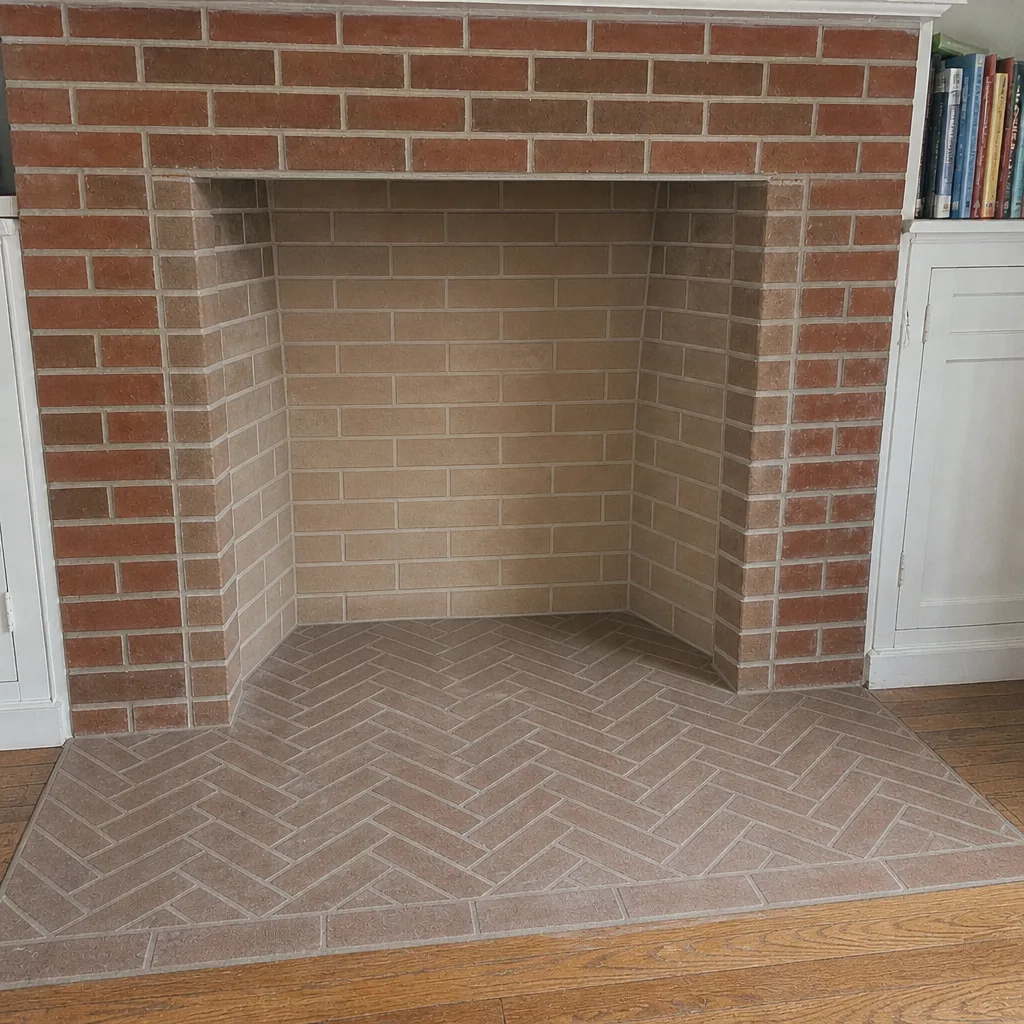
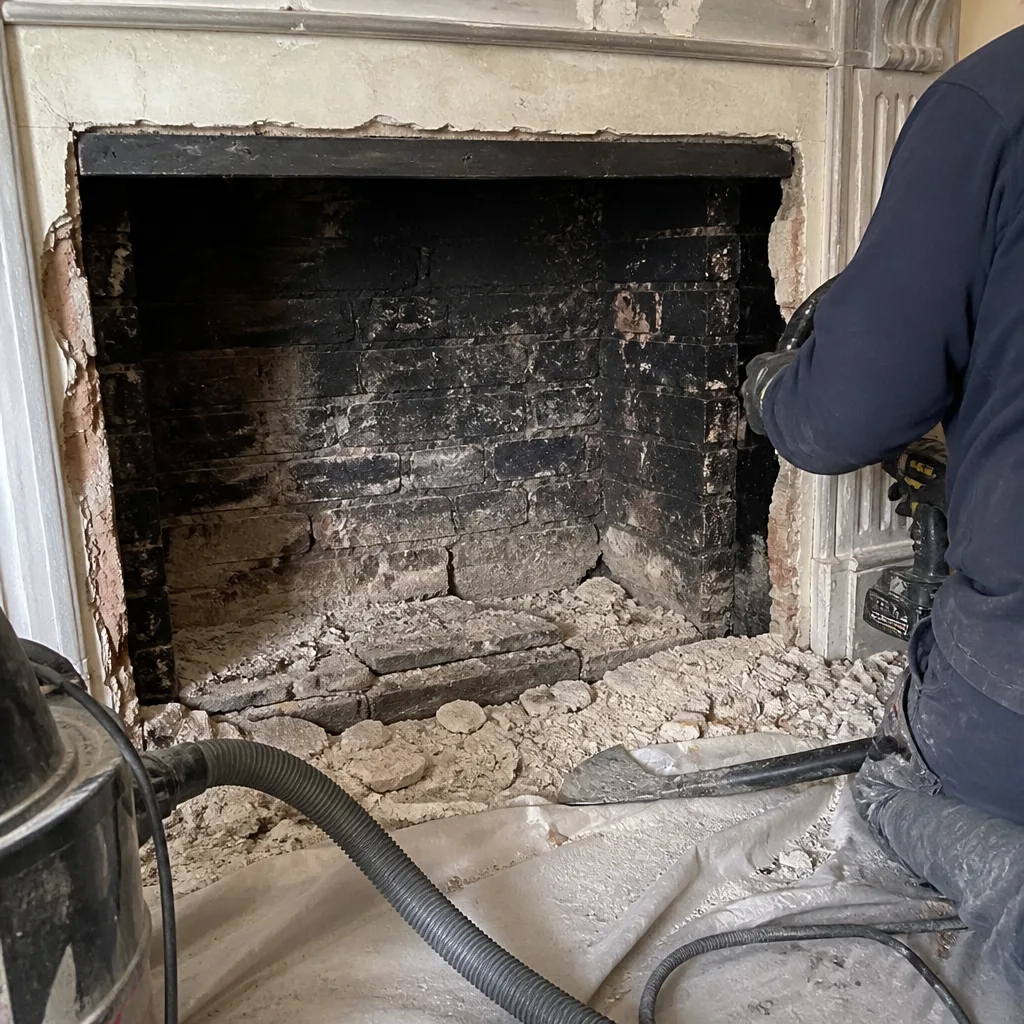
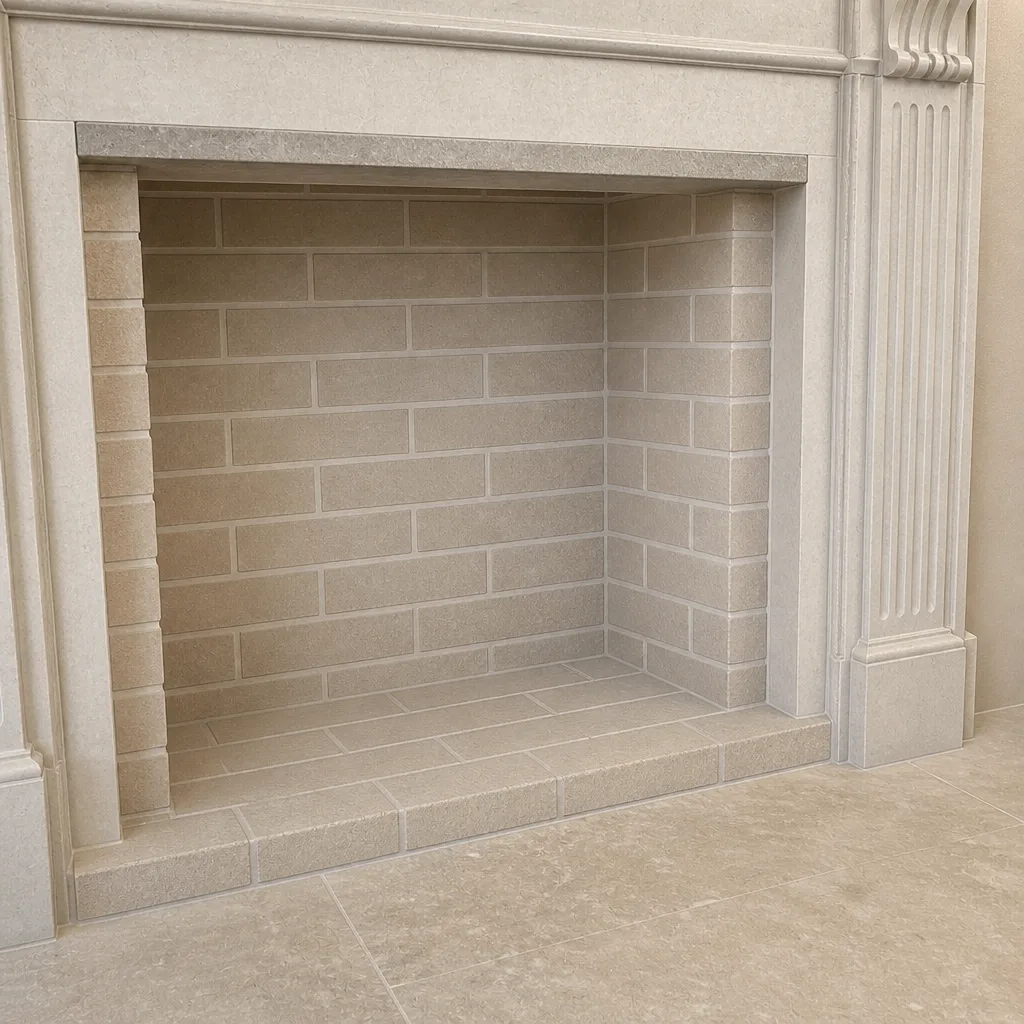
See the difference
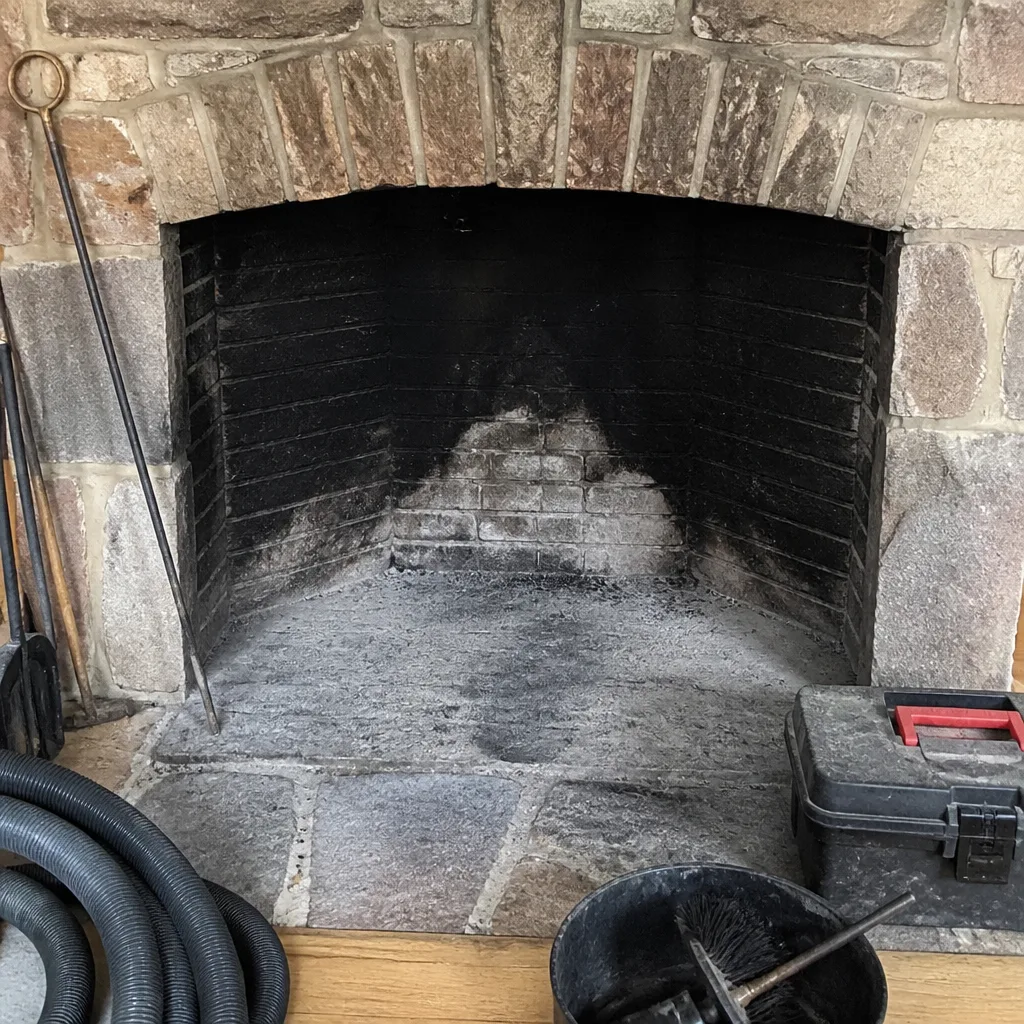 Before
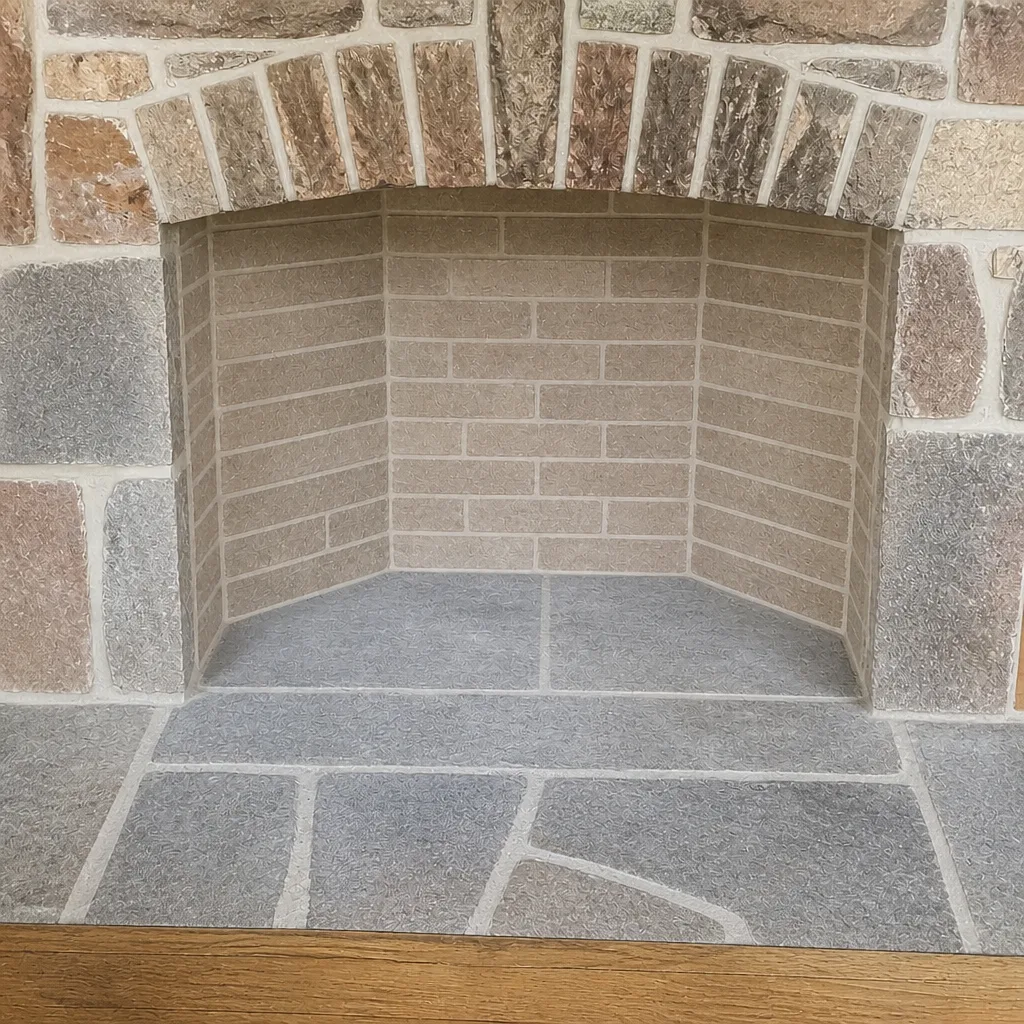 After
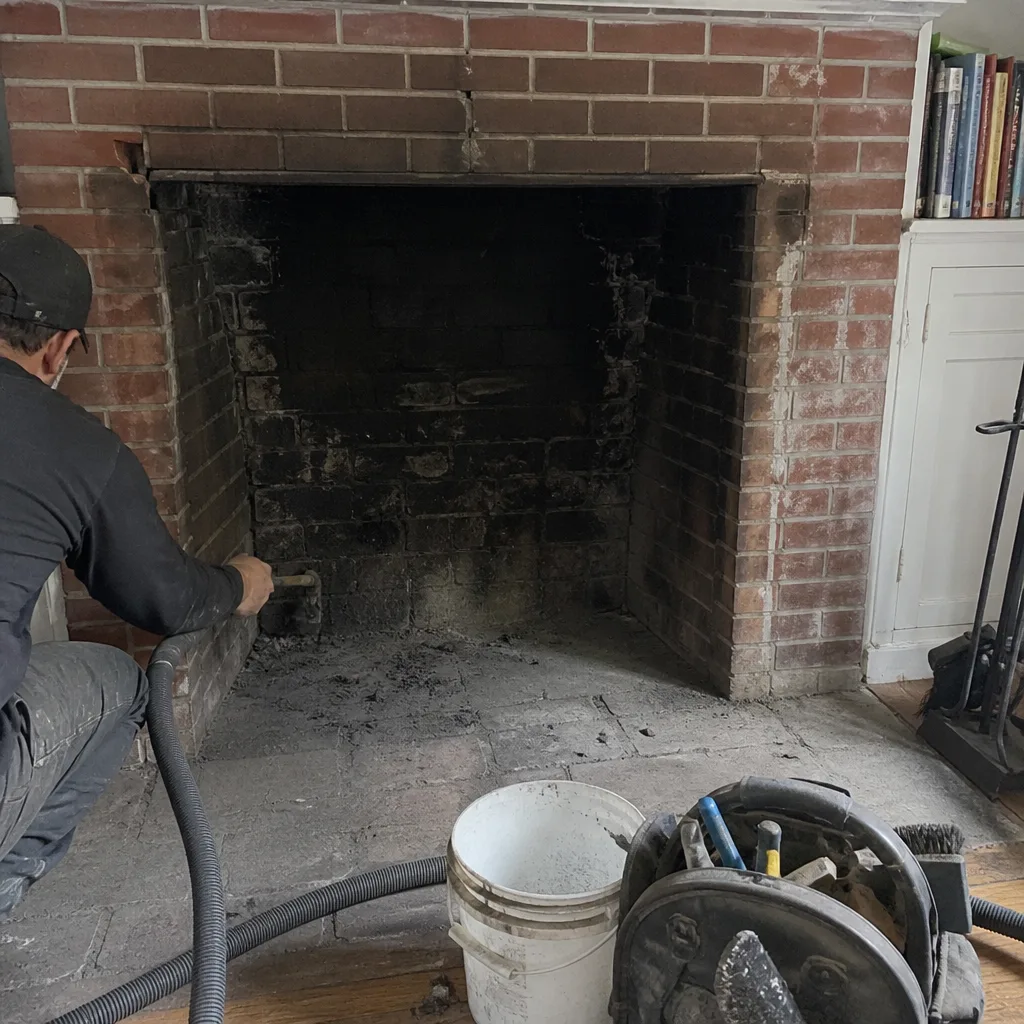 Before
 After
 Before
 After
When to Call a Professional
Call a chimney professional after any chimney fire, even one that seemed to go out on its own. Call if you notice a strong creosote smell, smoke backing into the room, a damper that won’t close, or visible damage to the cap, crown, or exterior stack. Call before the first fire in a home you’ve just bought, and call if it’s been more than a year since the last sweep. Creosote build-up is cumulative, and the safety margin shrinks quietly.
Chimney Sweep Crown Heights offers free estimates in Crown Heights, and we handle the full arc of chimney work: sweep, inspect, repair, and upgrade. Call (833) 858-5823. We answer 24/7. Fast dispatch from 7am to 7pm, Sunday through Friday. The estimate is free, and a written estimate sets the final price before any work begins.
Frequently Asked Questions
Chimney cleaning in Crown Heights is priced per job by a written estimate, and the estimate itself is free. The final price depends on the chimney’s condition, access, and how much creosote has built up, so a thorough visit is quoted after the specialist sees the system. Call (833) 858-5823 for an exact quote, estimates are free.
Once a year for most wood-burning chimneys, or whenever creosote reaches about an eighth of an inch. In Crown Heights, we recommend pairing the sweep with an annual inspection, because the pre-1940 attached brownstones have clay-tile liners and shared masonry that benefit from an annual check. Call (833) 858-5823 to book a visit.
Only if the inspection finds a real problem, and you should be able to see it on the camera footage. A cracked clay-tile joint or a gap in the liner is a genuine reason to reline, because combustion gases and heat can reach the surrounding masonry. If the liner is sound, you don’t need the work. We show you the evidence before recommending anything. Call (833) 858-5823 for a camera inspection and a clear answer.
Creosote keeps building, and at stage three it becomes glazed and much harder to remove, which raises the fire risk. Water keeps getting into any failed crown or cap, and the freeze-thaw cycles of a Brooklyn winter turn small cracks into bigger ones. The eventual repair is larger and more expensive than the cleaning that would have prevented it. Call (833) 858-5823 to schedule before the season.
Level 1 for annual maintenance on a chimney with a known history and no changes. Level 2 if you’ve just bought a Crown Heights home, after a chimney fire, or if you’ve changed fuel type or added a liner or cap. Level 2 includes a camera scan of the flue and is the right call when the liner history is unknown. Call (833) 858-5823 to book the level that fits your situation.
Yes, heat and smoke can move through cracks in shared masonry if the flue liner and surrounding structure are compromised. That’s why an annual inspection in a Crown Heights rowhouse is about the whole system, not just the flue. A sound liner and a sealed crown keep the fire where it belongs. Call (833) 858-5823 to inspect yours.
The Bottom Line
Chimney cleaning in Crown Heights is an annual habit that protects a system older and more interconnected than most homeowners realize. The pre-1940 attached brownstones have clay-tile liners that crack, shared masonry that can carry heat between homes, and crowns and caps that take a beating from Brooklyn freeze-thaw every winter. A sweep clears the creosote. An inspection finds the problems. A camera report lets you see them for yourself and decide what needs to happen now and what can safely wait. One specialist covering sweep, inspection, cap and crown, repair, and reline keeps the whole system accountable in one relationship. Schedule before the heating season, ask to see the footage, and keep the reports together. Call (833) 858-5823 for a free estimate. We answer 24/7. Fast dispatch from 7am to 7pm, Sunday through Friday.
Written by the team at Chimney Sweep Crown Heights.