
Last updated November 22, 2026
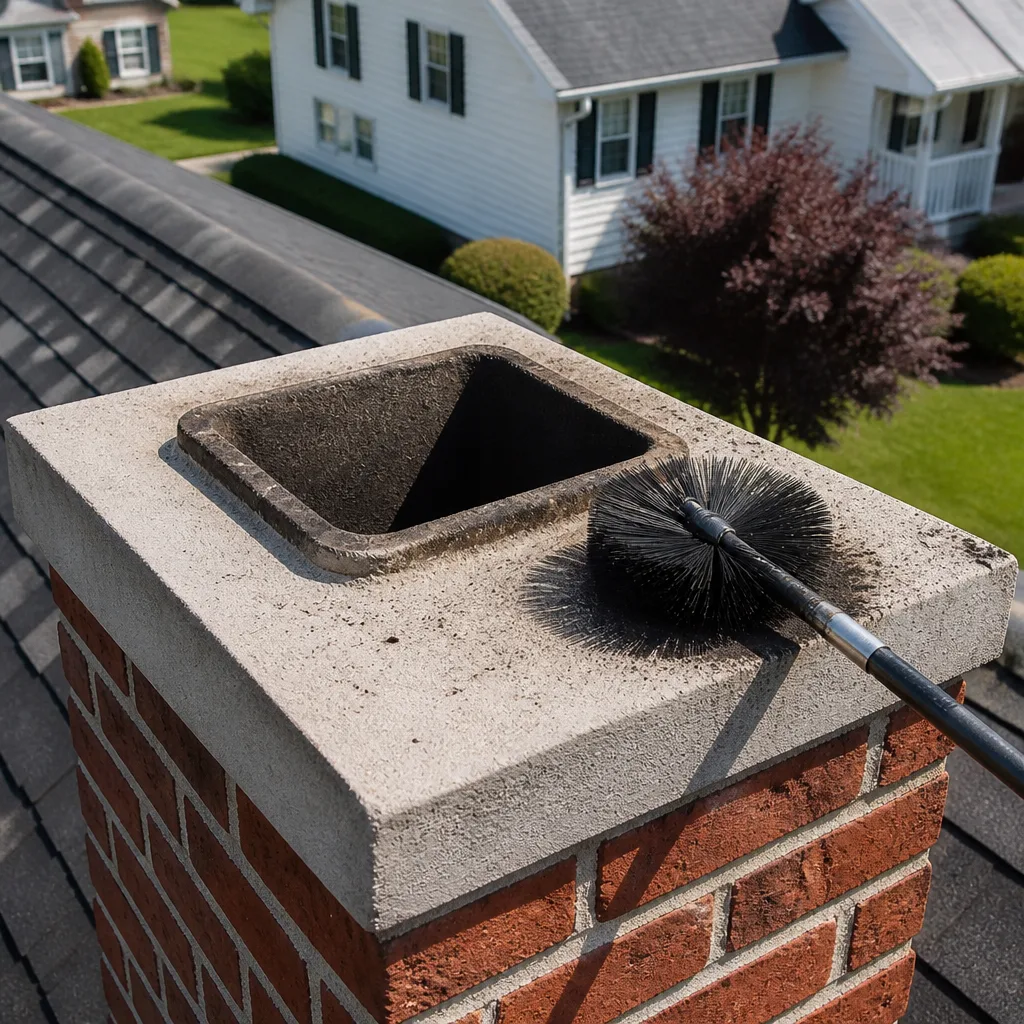 Sweep & inspection
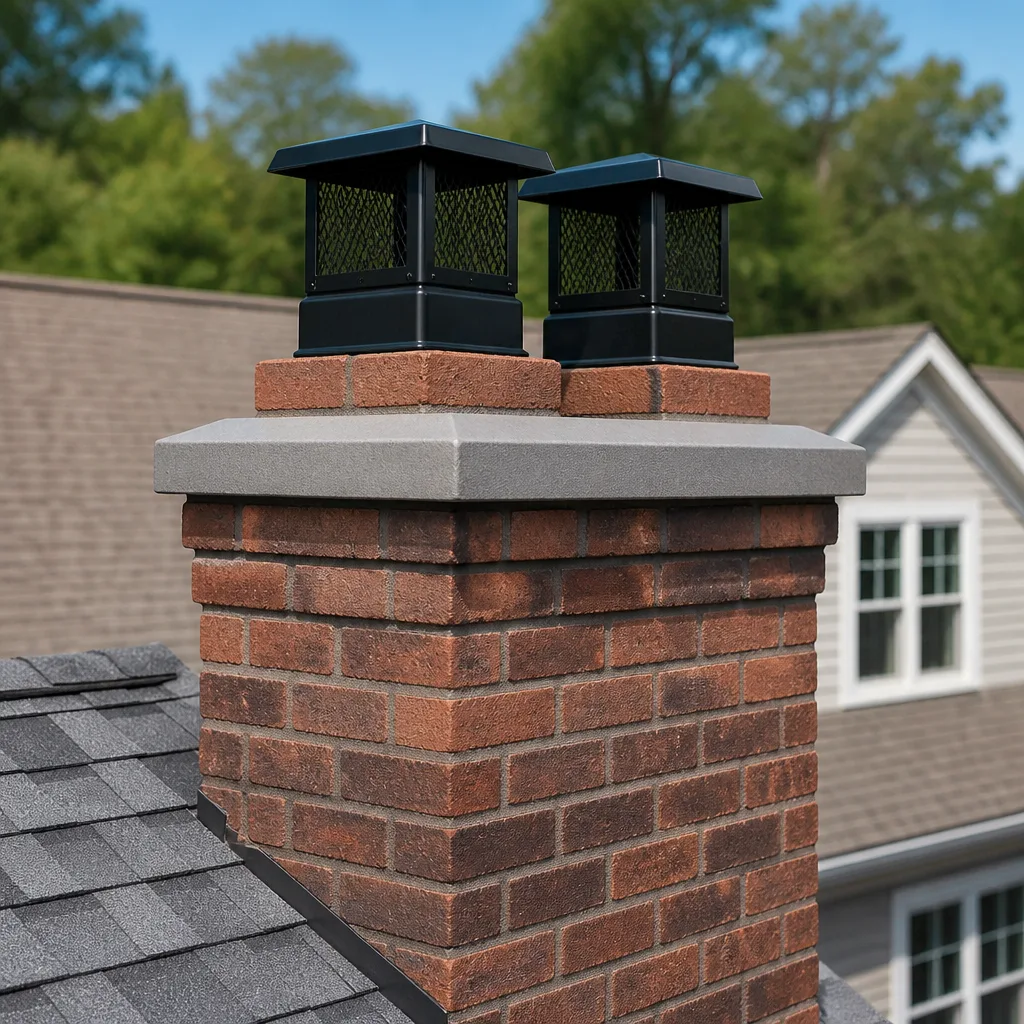 Caps & crowns
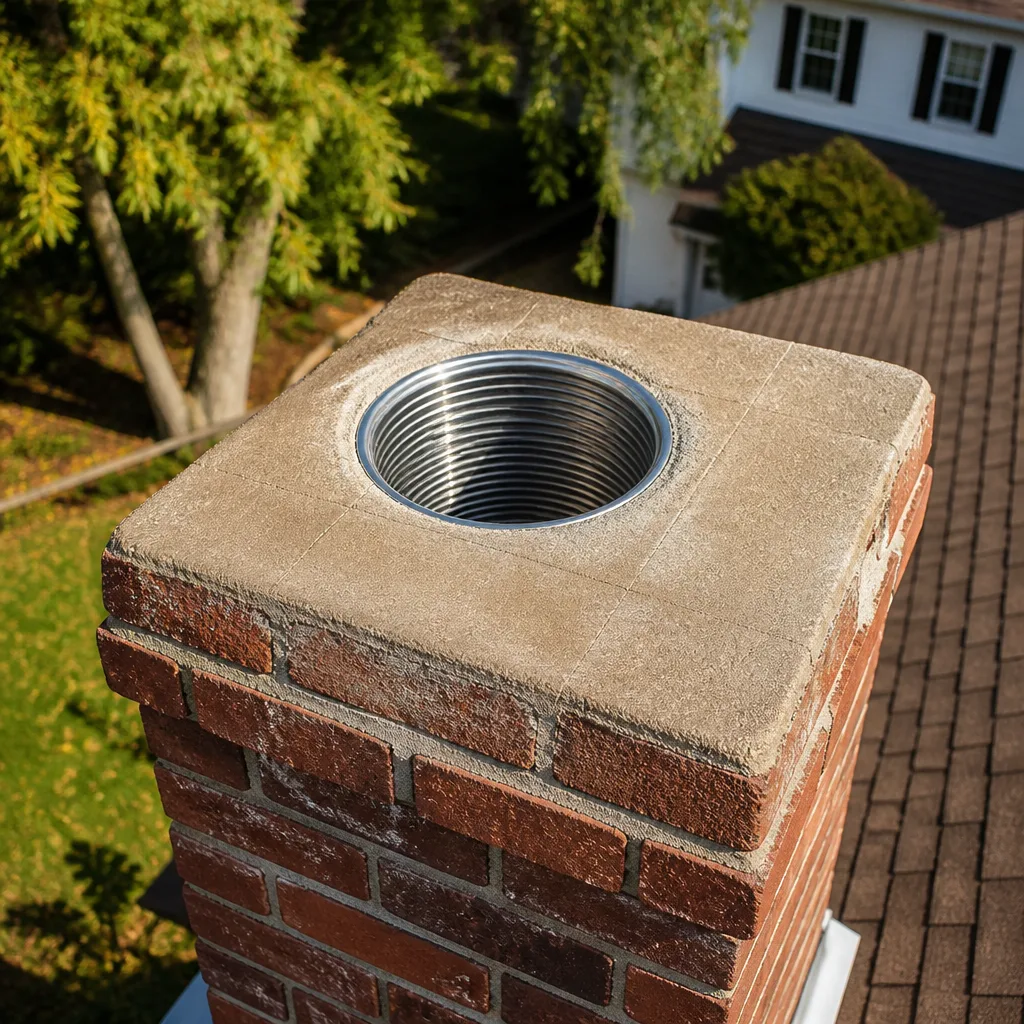 Flue relining
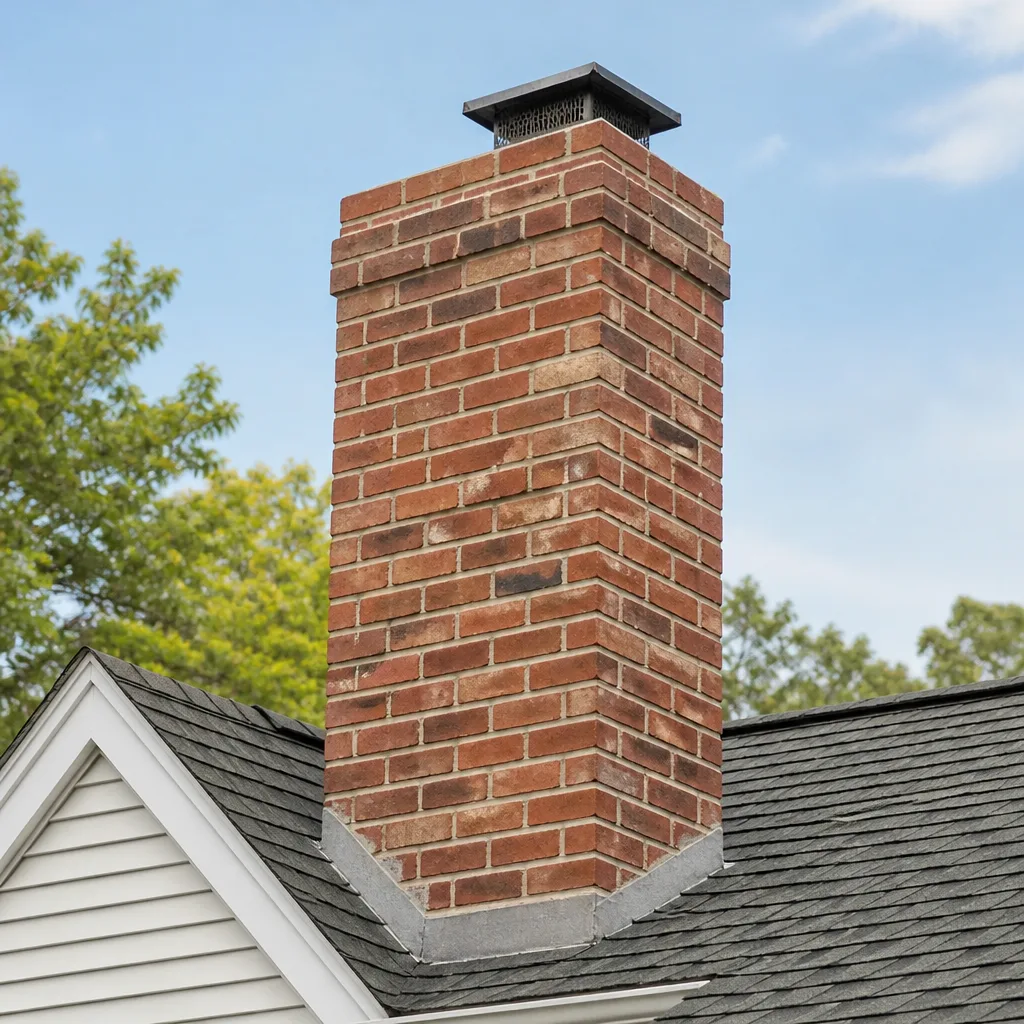 Masonry repair
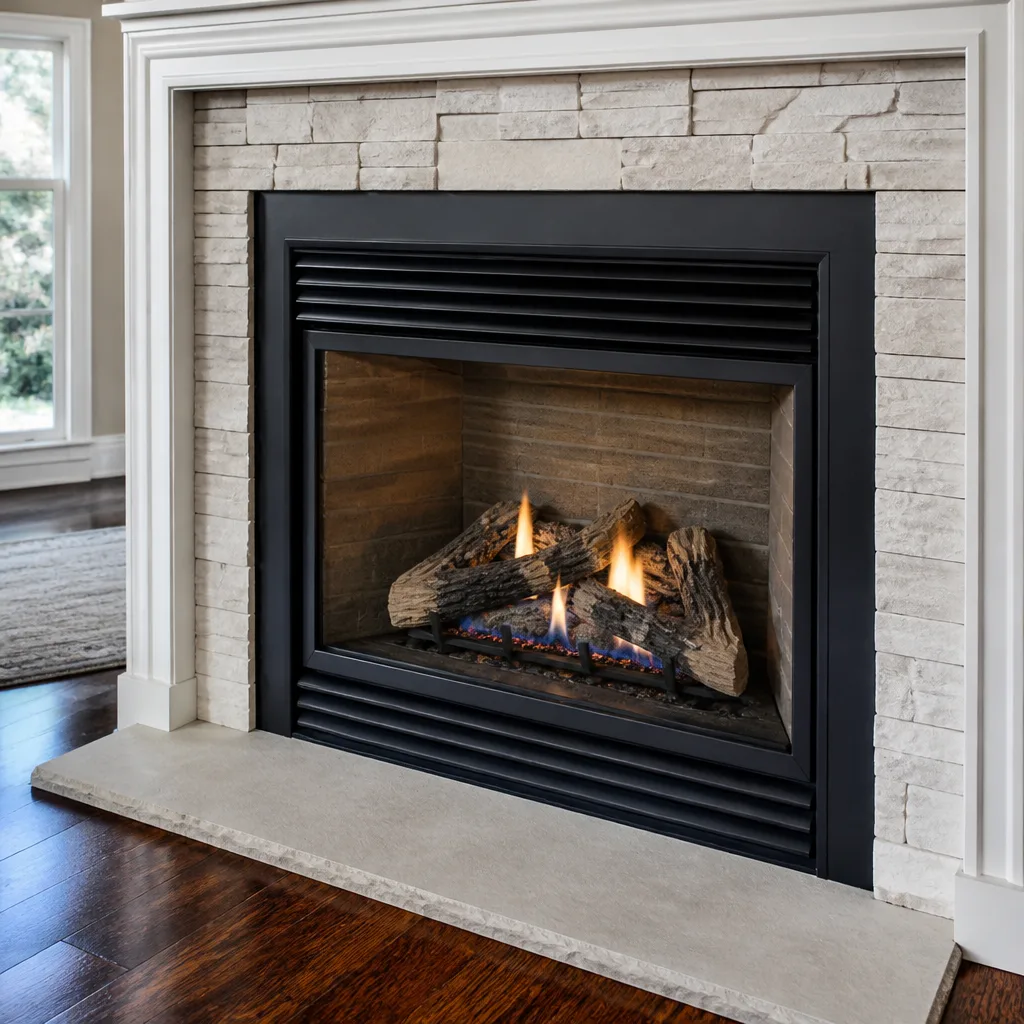 Gas fireplace service
Level 1 sweep and inspection to the NFPA 211 annual standard - flue, crown, cap, and flashing checked and photographed
Chimney sweep logs do not sweep chimneys. They loosen some creosote - which then falls where a brush and vacuum still have to collect it.
How to Hire a Chimney Cleaning Contractor in Crown Heights: A Step-by-Step Guide
Chimney work looks simple from the sidewalk. A brush, a ladder, a guy on the roof – what could go wrong? Plenty, because a general handyman can buy a brush set and print “chimney cleaning” on a flyer without ever sitting a certification exam. The industry credential, CSIA certification, takes roughly 100 hours of study and a proctored exam, yet nothing legally stops an uncertified contractor from advertising the same service. That gap is where expensive mistakes start. In this guide we walk through a concrete vetting process for hiring a chimney contractor in Crown Heights: the certifications to demand, the exact phone questions that separate specialists from generalists, what a real inspection report contains, and how to compare quotes when no two contractors itemize the same work. By the end you’ll know how to check credentials independently and read a quote before you let anyone near your roof.
Quick Answer
To hire a chimney cleaning contractor in Crown Heights, verify certification first: ask for the technician’s CSIA (Chimney Safety Institute of America) certification and any NFI (National Fireplace Institute) credential, then look both up independently on the certifying bodies’ own websites rather than trusting a logo on a truck. Then confirm the company works only in the chimney and fireplace trade, requests a written scope and inspection report, and quotes against National Fire Protection Association (NFPA) 211 inspection levels. A real specialist welcomes every one of those questions. A generalist lists “chimney cleaning” on a flyer and hopes you don’t ask.
Styles & brands we work with
- Sweep & inspection
- Caps & crowns
- Flue relining
- Masonry repair
- Gas fireplace service
Table of Contents
- Which certifications should you verify before hiring?
- Four questions to ask on the phone before you schedule
- What a legitimate inspection report looks like
- How to compare quotes when contractors don’t itemize the same work
- Red flags in online reviews for chimney contractors
- Specialist vs. generalist: why it matters in Crown Heights
- When to book in Crown Heights and why timing matters
- Common mistakes to avoid
- When to call a professional
- Frequently asked questions
Which certifications should you verify before hiring?
The two credentials worth asking about are CSIA certification for the technician doing the work and NFI certification if your fireplace burns gas, wood, or pellets. CSIA certification requires study, a proctored exam, and continuing education to stay current. NFI certification focuses on the appliance itself, which matters for installation, repair, and venting decisions on a specific fireplace type. Together they tell you the person on your roof or at your hearth has been tested on the work, not just trained on the job by whoever hired them first.
Here’s the part most Crown Heights homeowners miss: a certificate number is only worth something if you verify it. Both CSIA and NFI maintain searchable directories on their own websites where you can look up a technician by name or by company. Do that before you book. Logos can be downloaded from the internet in seconds; a current certification record on the issuing body’s site is much harder to fake. Ask for the technician’s full name and certification number, then check it yourself. Any contractor who hedges on giving you a name to verify is telling you something.
Beyond certification, confirm insurance and licensing. Chimney work involves ladders, roofs, and respiratory exposure to soot and creosote, so the company should be able to provide a certificate of insurance showing general liability coverage. Ask for it in writing before work begins. A contractor who can’t produce one in a day or two is a contractor you shouldn’t let on your roof.
- CSIA certification – verify the individual technician’s current standing on the CSIA website, not just the company’s logo
- NFI certification – relevant when gas or solid-fuel appliances are part of the work
- Certificate of insurance – general liability, provided in writing before the appointment
- State licensing where required – ask your contractor to confirm what applies to chimney work in New York
In our experience, a Crown Heights homeowner who asks for the technician’s name and checks the certifying body’s database weeds out the fly-by-night operators before a single quote is written. That’s the whole point of doing this in the first step, not after the work has started. When you’re ready to schedule a verified specialist, Chimney Sweep Crown Heights offers the full service arc from sweeping to inspection to repair.
Four questions to ask on the phone before you schedule
A short phone conversation does more filtering than an hour of online research. Ask these four questions before you agree to any appointment. The answers, not the questions, are what separate a specialist from a generalist. You’ll hear the difference in about five minutes.
- “What certification does the technician who will come to my house hold, and can I verify it?” A specialist gives you a name and a certification number without hesitation. A generalist says “we’re fully trained” or “our guys are certified” without being able to name the credential, the technician, or the certifying body.
- “Will you provide a written inspection report, and to what standard?” The right answer references NFPA 211 inspection levels. A legitimate contractor works to Level 1 for a routine sweep and escalates to Level 2 when the situation calls for camera inspection or a change of appliance. A generalist may not know what you mean, or may offer a verbal “you’re all set.”
- “What’s included in the sweep, and will you tell me in advance if the quote changes on site?” Specialists know that a sweep can uncover a deteriorated flue, a failed cap, or a cracked crown. They tell you the price up front and confirm any additional work with you before doing it, with photos or camera evidence if applicable. Generalists often quote a low number and then pad the bill once they’re on the roof.
- “Can you handle repairs yourself, or do you refer them out?” A dedicated chimney company covers cleaning, cap and crown work, structural repair, and lining as one relationship. Referral-only companies are fine for some trades, but the whole value of a chimney specialist is one accountable party from the annual sweep through the eventual repair.
Write the answers down. If you’re comparing two companies, the one whose answers reference specific certifications, inspection standards, and a written scope is the one to hire. The one whose answers sound like an ad is the one to skip. We tell Crown Heights homeowners to ask the questions in this order, because the certification answer alone usually settles it.
What a legitimate inspection report looks like
A legitimate chimney inspection report is a documented record of the chimney’s condition, not a one-line invoice that says “cleaned, all good.” It identifies the inspection level performed, describes the condition of each component, notes any deterioration or obstruction, and recommends anything that needs attention with a timeline and a reason. The report should be something you can file and pull out next year to see what changed.
Here’s what a real report from a qualified Crown Heights contractor contains:
- Inspection level – explicitly labeled Level 1 or Level 2 per NFPA 211, with the reason for that level
- Component-by-component findings – flue liner, damper, firebox, smoke chamber, crown, cap, flashing, and exterior masonry each described individually
- Photographic evidence – especially for anything flagged as needing repair, so you can see what the technician saw
- Clear recommendations – what should be done now, what can safely wait, and what should be monitored
- Sweep confirmation – a statement that the flue was cleaned and how much soot or creosote was removed and at what level
- Technician identification – the name and certification of the person who did the work, so the record connects to a verifiable credential
What a report should not be is a sales document. If the only finding on the report is that you urgently need a costly liner replacement and there’s no photographic or camera evidence attached, slow down. A specialist recommends work because the evidence supports it, not because the invoice would be big. Good companies tell you plainly when work can safely wait another season. Ask for the written report whether or not anything turns up; that’s how you build a baseline for future years. If you want a thorough look before deciding on repairs, a formal chimney sweep that includes inspection is the place to start.
How to compare quotes when contractors don’t itemize the same work
Comparing chimney quotes is only meaningful if every contractor has quoted the same scope. Most homeowners discover too late that Company A’s “$150 sweep” and Company B’s “$180 sweep and inspection” are not the same service at all. The line-item comparison is where a lot of quote confusion gets resolved before booking, and it’s the single best habit for anyone hiring chimney work in Crown Heights.
Before you request quotes, write down a single scope you want priced. Then ask each contractor to quote that exact scope, in writing, with line items. If they suggest a broader scope, they should tell you why and let you decide whether to add it.
Build a simple comparison grid on paper or a spreadsheet:
| What to list for each quote | Why it matters |
|---|---|
| Sweep only vs. sweep + inspection | Very different value; a sweep alone skips the condition record |
| Inspection level (1 or 2) | Level 2 involves camera work and costs more because it sees more |
| Number of flues included | Multi-flue chimneys price differently; two flues is not one |
| Any recommended repairs, itemized | Repairs should be separate line items, not lumped into the sweep |
| Included documentation (report, photos, camera footage) | Determines what you have on file afterward |
| Warranty or follow-up terms | Repairs should be backed; ask what happens if a fix fails |
Once every quote is set out that way, price differences usually make sense. A quote that looks expensive is often the only one including a Level 2 inspection and a documented report. A quote that looks cheap often excludes inspection entirely. The right question is not “who is cheapest” but “what am I actually paying for.” If a quote still can’t be laid out on the grid, that contractor hasn’t quoted the same job you asked for.
Red flags in online reviews for chimney contractors
Online reviews for chimney contractors often say less than they seem to. Vague praise is the giveaway. “Great service, would use again” could apply to a plumber, a landscaper, or a pizza place. The reviews that actually tell you something are specific about the work done, the technician’s name and certification, the findings in the report, and how the company handled a surprise condition. Learn to read for specifics and the field narrows fast.
- Only generic praise, no detail – dozens of five-star reviews that all say “friendly and professional” without mentioning a specific finding is a pattern worth questioning
- No mention of certifications or inspection levels – if not one reviewer mentions a report or a certification, that may simply be how the company works
- Sudden upsell complaints – multiple reviews saying “quoted $150, charged $2,000” is a common pattern for contractors who lowball the sweep and inflate the repair. Ask a company directly how it handles on-site surprises
- Reviews concentrated in a short window – a burst of identical-sounding reviews around the same time often signals bought or solicited reviews
- Complaints about no written report – a review that mentions “never gave me paperwork” is a reliable warning for the next customer
- No response to criticism – a company that ignores specific complaints while only thanking five-star reviewers is telling you what it prioritizes
Our rule: read the three-star reviews first. That’s where you learn how a Crown Heights contractor behaves when something goes sideways. A company that responds calmly to a bad review, offers to make it right, and explains what happened is more trustworthy than one with only perfect scores and no details. Reviews are one input; certifications and written reports are the others.
Specialist vs. generalist: why it matters in Crown Heights
Crown Heights has the same housing stock pressures as much of Brooklyn: late nineteenth and early twentieth century masonry buildings, a lot of them with original or partially relined chimney interiors. Older brick-and-mortar flues were not always lined the way modern ones are, and many have spent decades accumulating moisture and freeze-thaw stress in the crown and upper masonry. That’s not a reason to panic, it’s a reason to know exactly what’s inside your flue before someone quotes a repair.
A chimney is a small, high-consequence system. It sits in a fire environment, in a masonry shell, in a specific climate, and every part of it fails differently than the general building envelope around it. A specialist works only on that system. Their materials, training, and habits were chosen for chimney work rather than repurposed from general contracting. That distinction shows up in the details: using a professional-grade flue resurfacing system like HeatShield for a deteriorating masonry flue rather than slapping mortar into it by hand, or using a flexible liner system like DuraFlex for a relining project rather than improvising a vent solution.
We handle the entire spectrum in one relationship: cleaning, cap and crown work, chimney and fireplace repair, and inspections. That matters because Crown Heights homeowners often end up talking to three contractors for one chimney problem. A specialist covers the finding and the fix in a single visit or two. When it’s time to look at the exterior, chimney cap & crown work is where the top of the chimney gets protected from the weather that drives most of the decay. When interior or structural repairs come up, chimney repair should be part of the same conversation.
Buffalo also has a look to protect: much of the housing stock outside the dense Rowhouse districts is single-family with visible chimneys and original brick. When a crew is on your roof, they should treat the chimney as part of a building that has to survive the next winter. That’s a habit, not a slogan. And it’s easiest to have when the same specialist is the one who comes back to check on it next season.
When to book in Crown Heights and why timing matters
The best time to book a chimney sweep in Crown Heights is before the heating season picks up, not after something goes wrong. Sweeping removes soot and creosote that build up with every fire, and creosote is combustible. A sweep scheduled while the weather is still mild means you go into the first cold snap with a clean flue, a fresh inspection report, and time to handle any repair before the demand surge.
What crews typically find in older Brooklyn masonry flues after a season of use:
- Creosote accumulation with a higher chance of glazed or hard deposits if the fireplace was burned with green or wet wood
- Cracked or missing crown sections from freeze-thaw cycling, letting water into the flue
- Failed or loose caps that have let water in, or allowed birds and debris into the flue
- Flue tiles with gaps between joints, which are hard to spot without a camera
- Damper problems from rust or misalignment after a wet season
The reason timing matters more than most homeowners realize is that the market tightens as the weather turns. In Crown Heights, inquiries for sweeps and inspections spike once homeowners start lighting fires again, and the crews best positioned to do thorough work book up fastest. A mid-autumn booking often gets a more careful appointment than a mid-winter one. If you’ve never had the chimney inspected, a baseline inspection done before you buy the first cord of the season is the smart move.
If you want to book ahead of the rush, call (833) 858-5823. We answer 24/7. Fast dispatch from 7am to 7pm, Sunday through Friday. A booked slot is not a same-day promise; it’s a spot in line before the season turns.
Common Mistakes to Avoid
- Hiring the first contractor who answers. Chimney work attracts a lot of unqualified names because the customer rarely sees the work being done. Slow down, verify certification, and get two or three quotes on the same written scope before you pick. The wrong contractor on a Brooklyn roof can be expensive, in ways a warranty won’t cover.
- Thinking a low quote means a good deal. A $99 “chimney cleaning” often means sweep only, no inspection, no report, and a “discover the real problem immediately” conversation on the roof. Compare line items, not totals. In our experience, the low quote is the one most likely to turn into a large second invoice.
- Accepting a verbal inspection. “You’re all set” is not an inspection. Without a written report with findings and photos, you have no baseline for next year and no record if the chimney later needs a claim or repair. Ask for it in writing before the technician leaves.
- Assuming a wall-mounted gas fireplace doesn’t need a chimney flue. It does, in the sense that gas appliances still need a vent, and that vent system still needs inspection and cleaning. Conflating a gas fireplace with no chimney at all is a common Crown Heights mistake.
- Skipping the crown and cap work. Most chimney decay in this climate starts at the top, with water entering through a failing crown or missing cap. A homeowner who pays for the sweep but ignores the top of the chimney ends up paying for masonry damage later. Ask the technician to describe the crown and cap condition in the report.
- Letting a generalist handle a lining job. A flue liner is not a generic vent pipe. It’s a regulated component of the chimney system, and the material standards differ by appliance type. If the recommendation is relining, the company should be able to explain the liner material and why it fits your appliance, not just “we’ll put a liner in.”
- Booking late in the season. A mid-winter sweep after the first fire problem is harder to schedule and harder to do thoroughly. Book before the season, not after you smell smoke in the living room.
When to Call a Professional
Some chimney conditions are obvious (smoke rolling into the room, a flue that won’t draft, visible damage to the crown or exterior masonry). Others you can’t see until a technician is on the roof with a camera. The mistake is to wait for a visible symptom. If any of the following applies, book an inspection now:
- You’ve burned wood in the fireplace for a season or more without a sweep
- You’ve never had the chimney inspected, especially in a Crown Heights building older than mid-century
- You’re buying or selling a home with a fireplace or wood stove
- You’ve changed appliance type (adding a gas insert, for example) and the venting hasn’t been evaluated
- You’re seeing water staining, cracked masonry, or a broken cap on the outside of the chimney
- You smell a smoky odor on warm days or notice smoke back-drafting into the room
Working on a chimney flue, a gas vent, or the roof itself is not a do-it-yourself job. Height work, high-temperature materials, and gas appliance venting are exactly the conditions where a trained specialist prevents injury and code problems. Chimney Sweep Crown Heights offers free estimates in Crown Heights. Call (833) 858-5823. We answer 24/7. Fast dispatch from 7am to 7pm, Sunday through Friday.
Frequently Asked Questions
Ask for the technician’s full name and certification number, then look it up yourself on the certifying body’s website.
CSIA maintains a searchable directory of certified technicians, and NFI does the same for its certifications. Cross-check the name against the company that quoted you, not just the company’s own claim. A logo on a truck is not the same as a live certification record. If a contractor won’t give you a name and a number, book elsewhere. Call (833) 858-5823 for an exact quote; estimates are free.
A routine chimney sweep in Crown Heights is typically in the range of $150-$350 depending on the chimney, the number of flues, and whether an inspection is included, and the written estimate sets the final price.
A sweep alone is less than a sweep plus a Level 2 inspection with camera work. Structural or lining work after a sweep is priced separately by the written estimate. The number to focus on is the itemized scope, not the headline. Call (833) 858-5823 for an exact quote; estimates are free.
Sometimes yes and sometimes no, and the answer should always be backed by evidence you can see.
A chimney liner is recommended only when there’s a visible reason: gaps between flue tiles, a deteriorated masonry flue, a change in appliance, or a venting requirement the current flue doesn’t meet. Ask for photographic or camera evidence of the condition before agreeing to a lining project. If the evidence isn’t there, the answer is likely no. When a liner is needed, a HeatShield ceramic resurfacing system or a DuraFlex flexible liner is the kind of professional-grade material that makes sense. Call (833) 858-5823 for an exact quote; estimates are free.
A chimney should be swept at least once a year if you burn wood, and inspected at the same time.
Heavier use may justify more frequent sweeps; a gas appliance on an annual inspection schedule is usually enough. In older Brooklyn housing, the annual sweep is also the practical way to catch developing crown or flue issues before they turn into repairs. An annual routine is the cheapest part of owning a chimney. Call (833) 858-5823 for an exact quote; estimates are free.
Creosote builds up with every fire, and when creosote ignites you have a chimney fire, which is a real structural and fire hazard, not a theoretical one.
Beyond fire risk, an unswept and uninspected chimney can develop blockages from debris or birds’ nests, back-draft into the room, and hide lining damage that requires more expensive repair the longer it’s left. A carbon monoxide issue from a blocked or damaged flue is possible with gas appliances. The fix is routine service, not a scare. Call (833) 858-5823 for an exact quote; estimates are free.
You can, but you shouldn’t, and the reason is that chimney work isn’t general maintenance.
A handyman who cleans gutters and assembles furniture doesn’t carry the certifications, materials, or inspection habits that chimney work demands. Sweeping is one thing, but the inspection that comes with it is what catches problems. In Crown Heights, where older masonry flues are common, that’s the part you actually pay for. Call (833) 858-5823 for an exact quote; estimates are free.
The Bottom Line
Hiring a chimney contractor in Crown Heights comes down to a short list of verifiable facts: a current CSIA (and NFI, where relevant) certification you’ve looked up yourself, a written scope and a real inspection report, itemized quotes on the same scope, and a company that specializes in chimney and fireplace work rather than adding it as a side service. The four phone questions filter generalists before you pay for a visit. The written report gives you a record you can compare next year. And a legitimate contractor will tell you when work can safely wait. That’s what specialists do. For a free estimate from a Crown Heights chimney specialist, call (833) 858-5823. We answer 24/7. Fast dispatch from 7am to 7pm, Sunday through Friday.
Written by the team at Chimney Sweep Crown Heights.
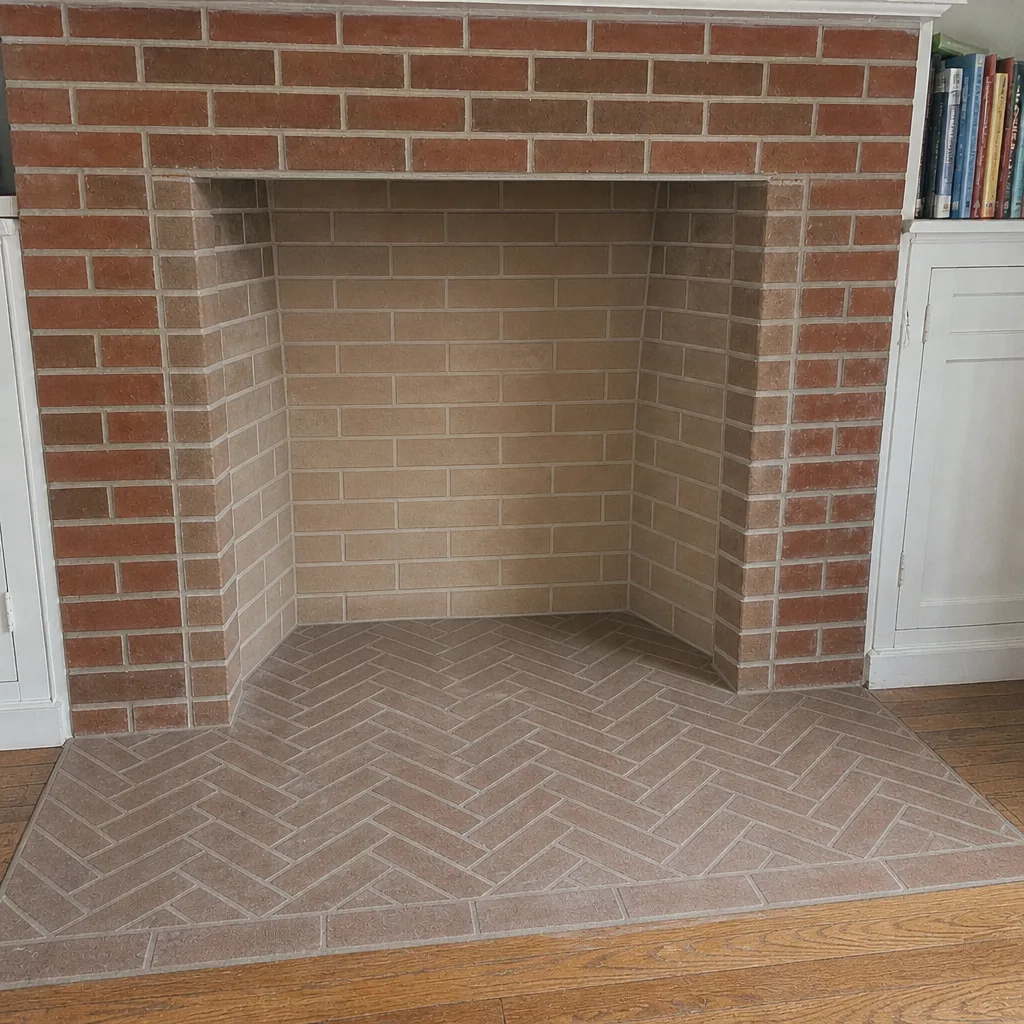
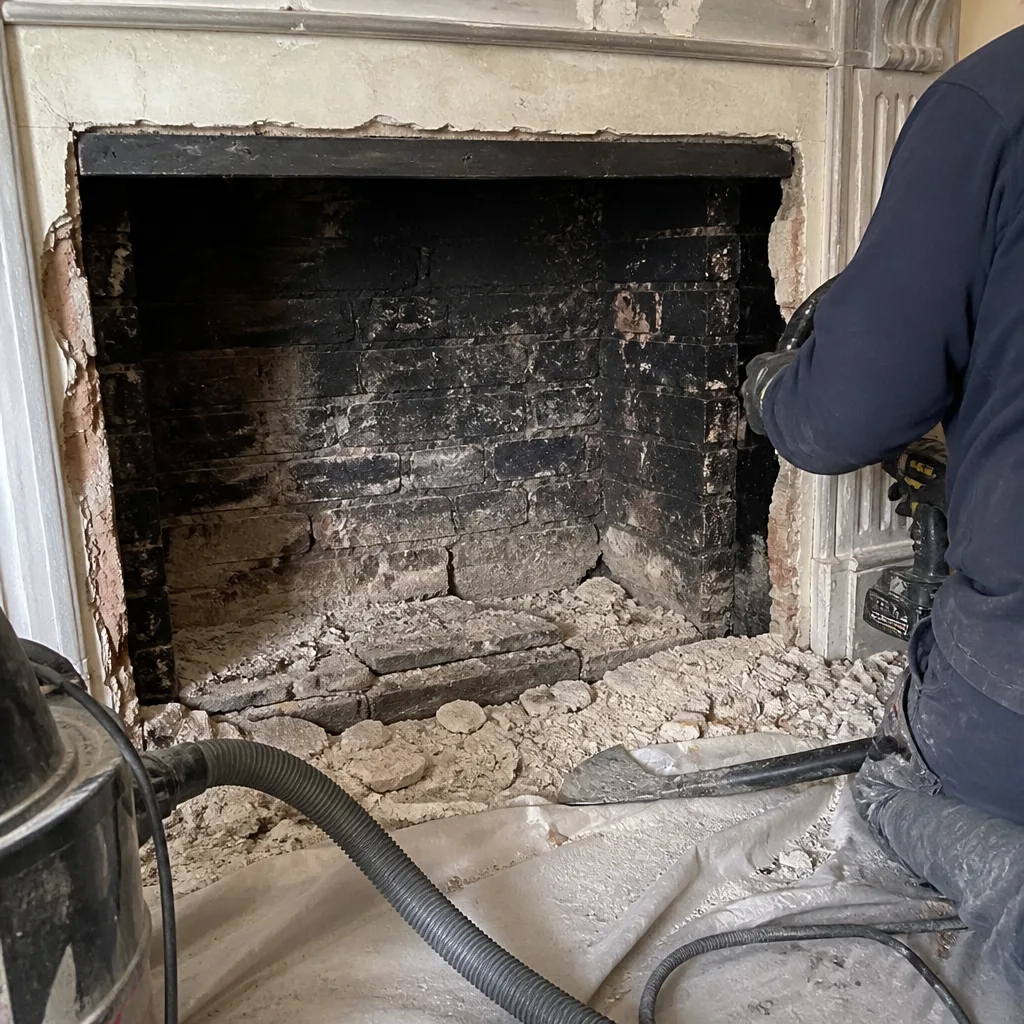
See the difference
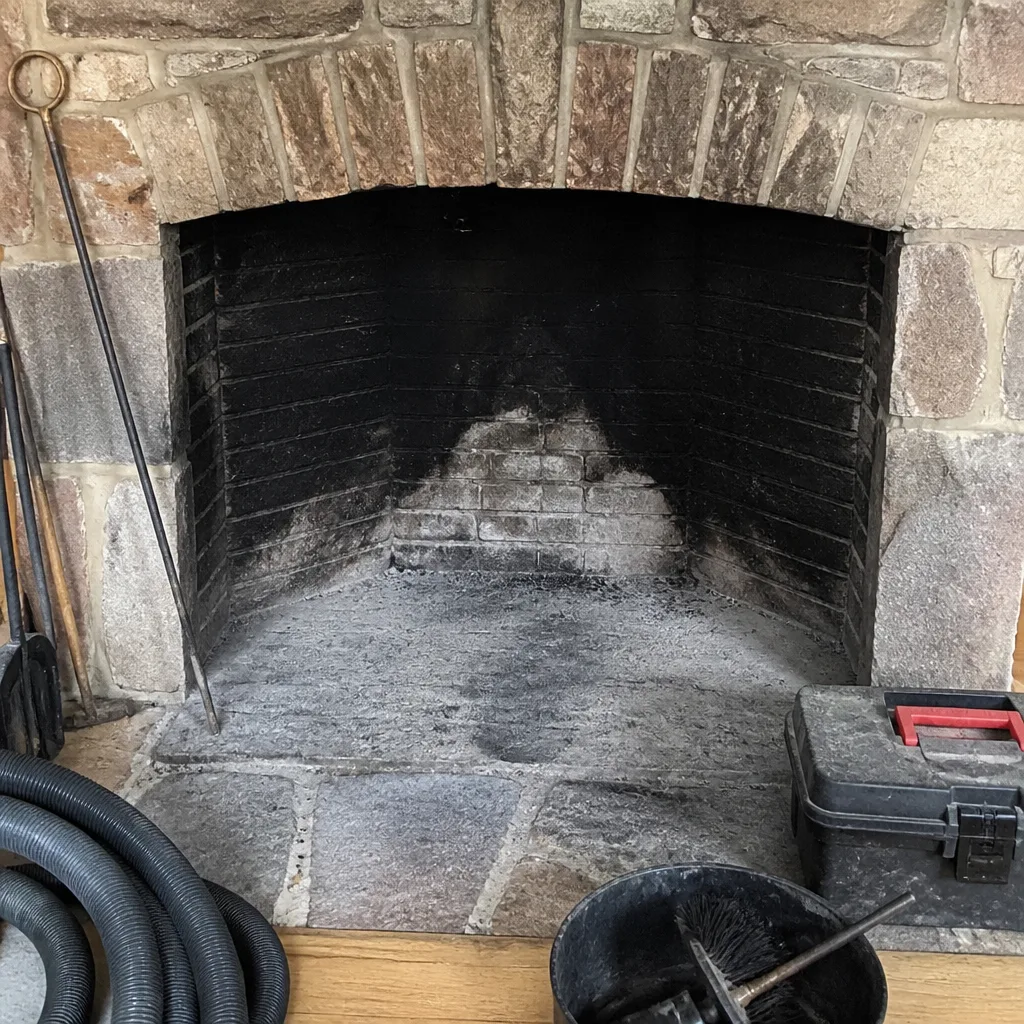 Before
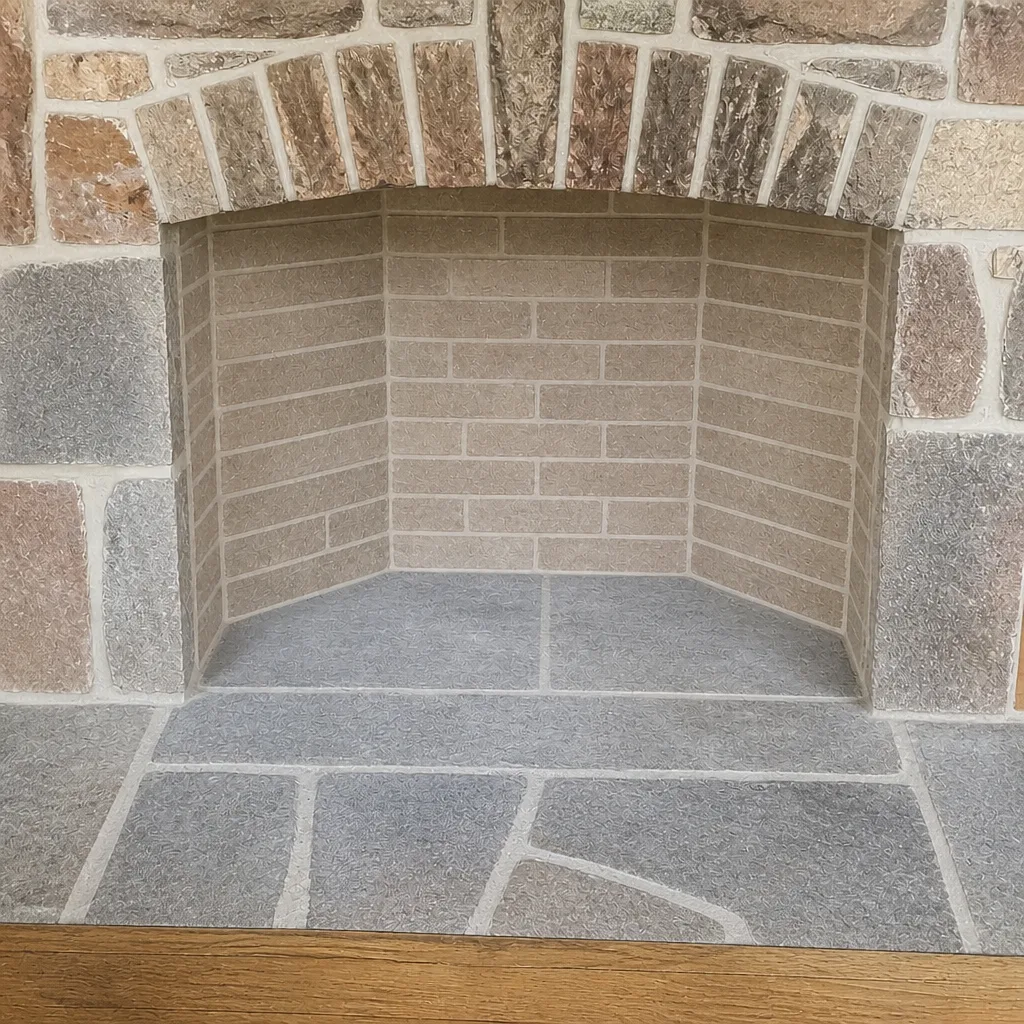 After
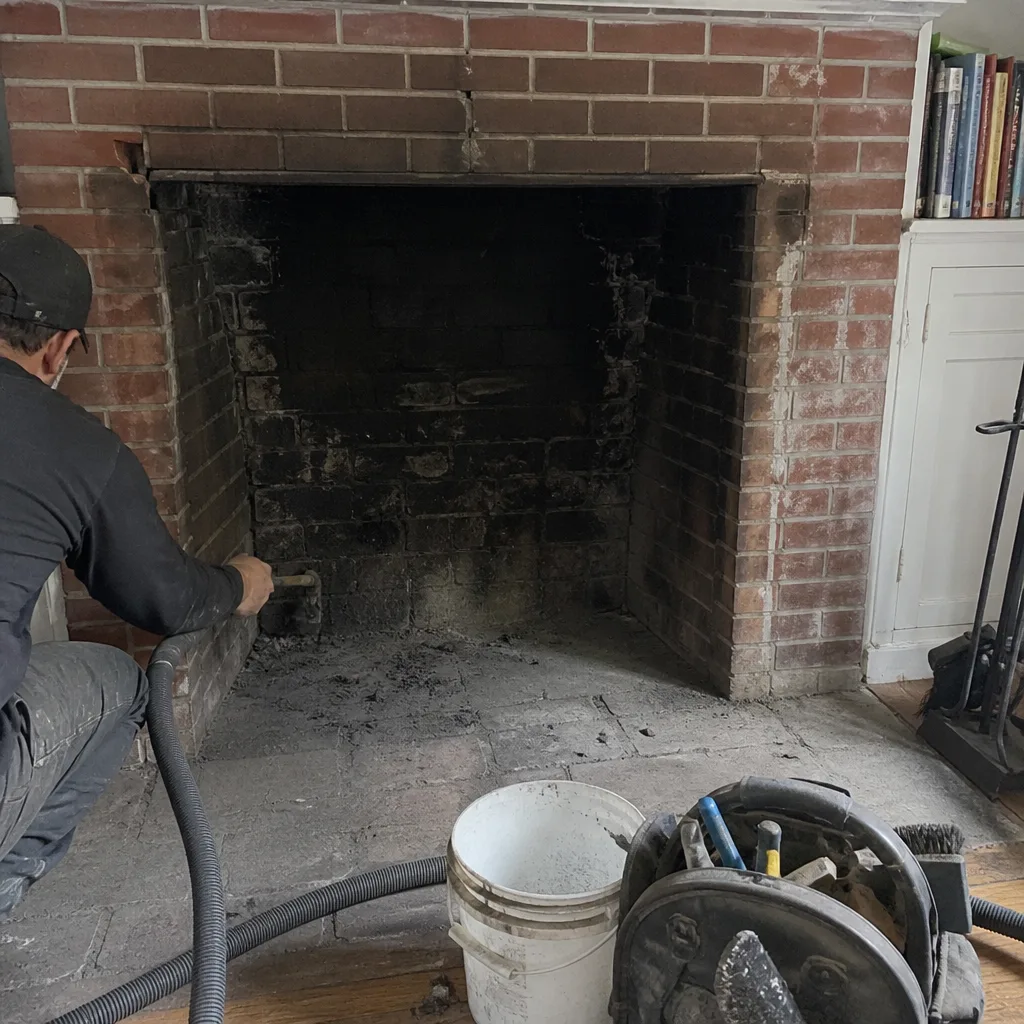 Before
 After
 Before
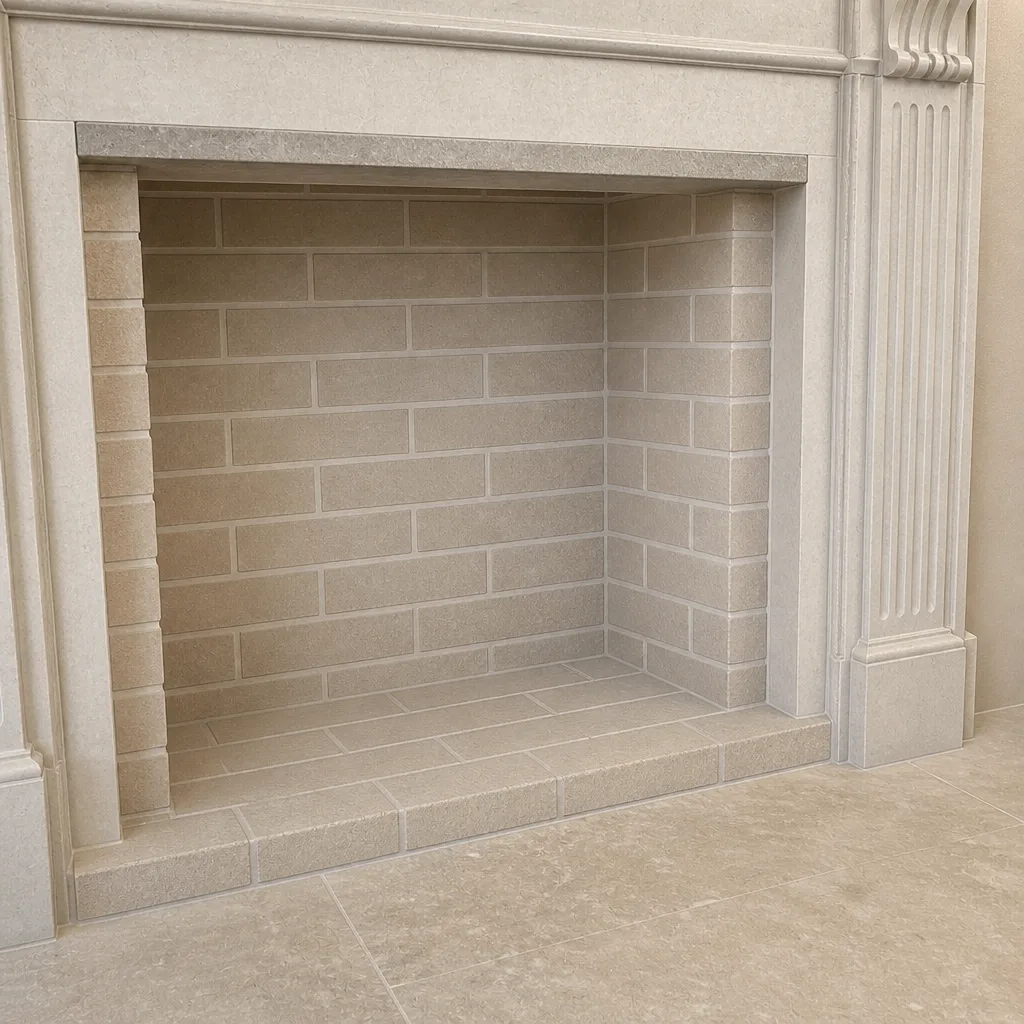 After