
Last updated November 22, 2026
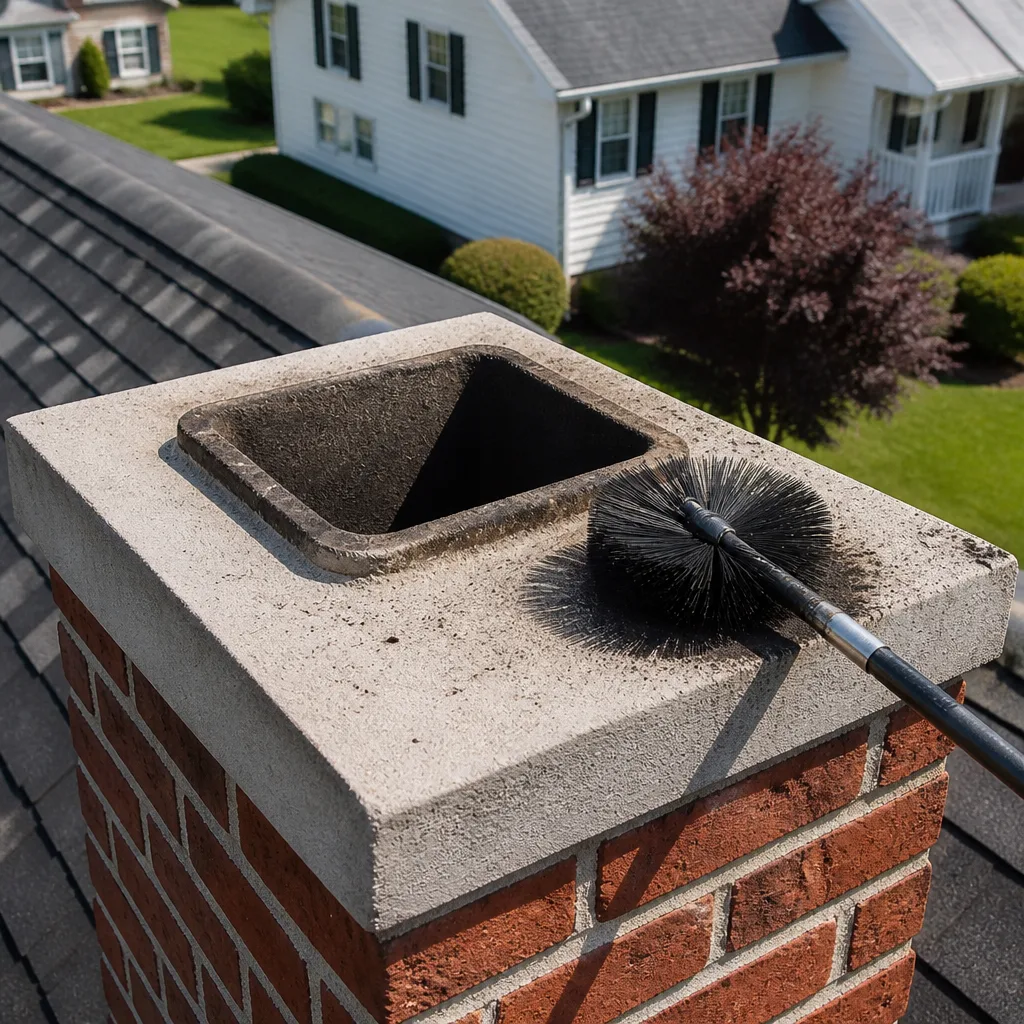 Sweep & inspection
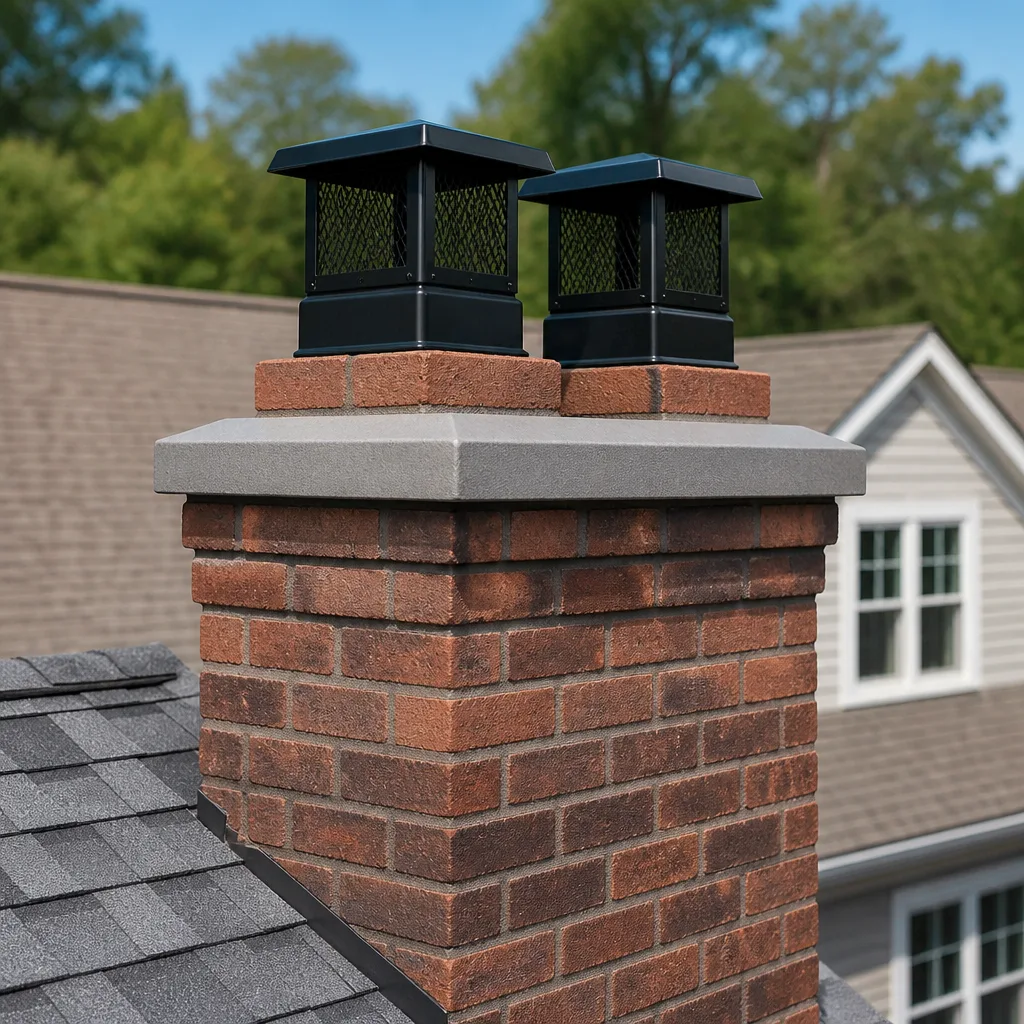 Caps & crowns
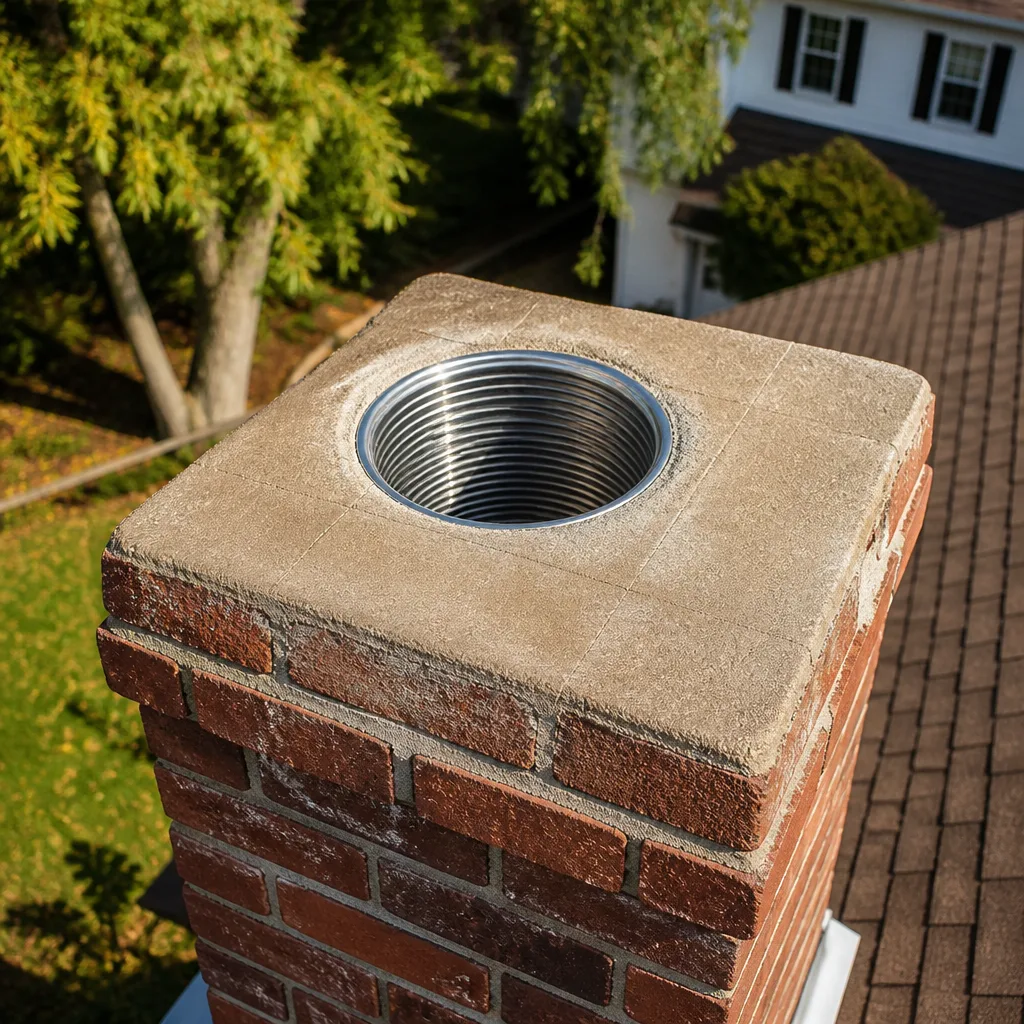 Flue relining
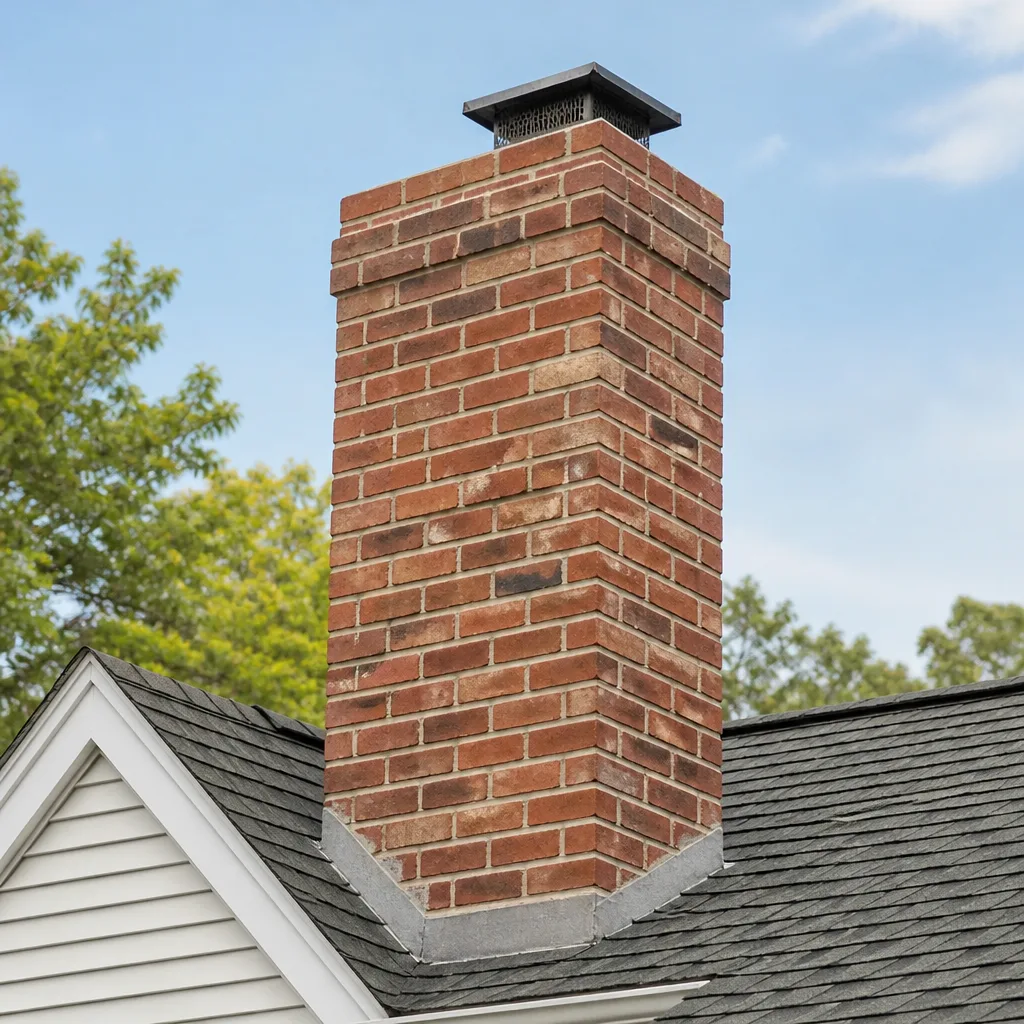 Masonry repair
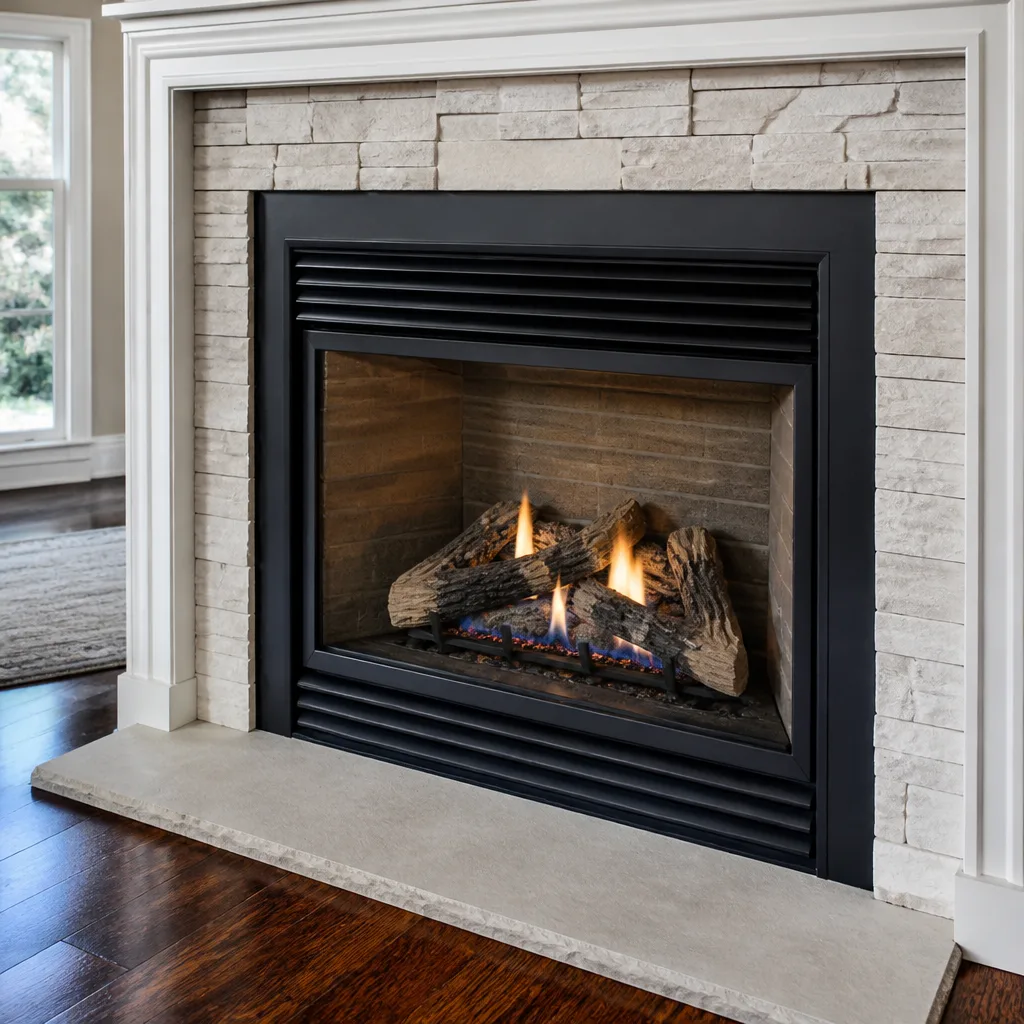 Gas fireplace service
Level 1 sweep and inspection to the NFPA 211 annual standard - flue, crown, cap, and flashing checked and photographed
Chimney sweep logs do not sweep chimneys. They loosen some creosote - which then falls where a brush and vacuum still have to collect it.
Seasonal Chimney Cleaning Care for Crown Heights: Year-Round Homeowner’s Guide
Most chimney advice tells you to book a sweep in the fall and forget about it. That single appointment misses the three seasons that actually decide whether your flue stays sound. Spring is the worst season to ignore your chimney: winter moisture trapped in masonry begins spalling in March and April, and catching it then costs a fraction of what it costs to fix after a second freeze cycle. Crown Heights sits in a freeze-thaw climate where brick and mortar take repeated hits every winter, and the damage shows up long before the next burning season. This guide gives you a month-by-month framework for chimney care so nothing falls through the cracks between annual visits.
Quick Answer
Seasonal chimney care in Crown Heights means inspecting for freeze-thaw damage in spring, waterproofing and cap checks in summer, staging a clean flue before the first fire in fall, watching burn habits for creosote through winter, and closing the fireplace out properly at season’s end. One annual sweep and inspection anchors the year, with lighter seasonal checkpoints in between. That rhythm protects the masonry, keeps carbon monoxide and chimney fire risk low, and catches small repairs before they become structural.
Styles & brands we work with
- Sweep & inspection
- Caps & crowns
- Flue relining
- Masonry repair
- Gas fireplace service
Table of Contents
- Why a Once-a-Year Approach Falls Short
- Spring: Reading Freeze-Thaw Damage in Crown Heights Masonry
- Summer: Cap Inspection and Waterproofing Belong Here
- Fall: Staging the Fireplace for the First Cold Night
- Winter: How You Fire Matters More Than How Long
- Season’s End: Closing the Fireplace the Right Way
- The Year at a Glance
- Common Mistakes to Avoid
Why a Once-a-Year Approach Falls Short
A chimney is a masonry and metal structure sitting on top of a heated house in a cold, wet climate. It goes through more seasonal stress than almost any other part of the building. The single fall sweep catches creosote buildup, but it does not catch what winter did to the mortar, what summer rain did to an uncapped flue, or what a pest did to an open chase in the off months.
We’ve seen how quickly problems compound. A hairline mortar crack in April becomes a spalled brick face by the next April. A missing cap in July means water down the flue through August, and water in a flue dissolves the mortar joints from the inside. None of this shows up in a fall appointment, because the damage is already done by then.
A seasonal framework fixes the timing problem. The idea is simple: each season has one or two things worth checking, and the annual professional chimney sweep anchors it all. You don’t need to climb a ladder. You need to know what to look at and when.
Chimney Sweep Crown Heights works only on chimneys and fireplaces. Every technician and every material we use is chosen for this trade, not borrowed from general contracting. Our technicians have up to 10 years of experience, and we handle the full arc from cleaning to chimney repair with professional-grade products from DuraFlex, HeatShield, Gelco, and Olympia Chimney. That matters most when a seasonal check turns up a real repair: it stays with one specialist rather than moving down a chain of contractors.
Spring: Reading Freeze-Thaw Damage in Crown Heights Masonry
Spring is the most important season for a Crown Heights chimney, and it’s the one most homeowners skip. Brooklyn’s winters push water into every mortar joint and brick pore, then the freeze-thaw cycle cracks the masonry from the inside. By the time the weather warms, the damage is visible to anyone who knows what to look for.
What to Look For After the Thaw
- Spalling brick faces: the outer face of a brick flakes off or peels away, leaving a crumbly, pitted surface. It’s the clearest sign that water got in and froze.
- Crumbling or missing mortar joints: run a finger over a joint near ground level on the chimney exterior. If mortar powders or falls away, the joint has failed.
- White staining on the brick: a powdery white bloom often means water is moving through the masonry and leaving minerals behind.
- Cracked crown: the concrete or mortar cap at the very top of the chimney often cracks first, because it’s the most exposed surface.
- Rust streaks on the firebox or damper: evidence that water has been getting in from above.
- Loose flashing at the roofline: the metal seal where chimney meets roof is a common leak point after a hard winter.
These symptoms share one cause: moisture. Left through another freeze cycle, a small joint failure widens and a spalled brick becomes a loose one. Catching it in spring, before the next winter, is the whole point of the seasonal framework.
Spring Checklist
- Walk the exterior of the chimney from ground level and note any spalling, crumbling or white staining.
- Look at the crown from the ground with binoculars if you can, or have it inspected as part of a spring check.
- Check the firebox and damper for rust or water marks.
- Book a professional inspection if you saw anything on the list above, and have the flue checked for damage from the inside.
If the inspection turns up flue damage, repair options may include resurfacing a deteriorating masonry flue with a HeatShield ceramic repair system, or relining with a DuraFlex flexible liner. Both are materials engineered for flue environments, not improvised substitutes. A damaged flue is a safety issue, not a cosmetic one, because a cracked flue allows combustion gases and heat to reach the structure of the house.
Summer: Cap Inspection and Waterproofing Belong Here
Most homeowners think about their chimney in October, which is exactly the wrong time to waterproof it. Waterproofing products need dry, warm, settled weather to cure properly, and summer is when masonry is at its driest. Scheduling cap and crown work in July also means you find and fix a problem before the fall rush, not during it.
Why the Cap Matters More Than People Think
The chimney cap is a small metal or masonry cover sitting on top of the flue. It keeps rain, snow and animals out. A missing or damaged cap is the single most common way water enters a chimney system. Birds and squirrels nest in open flues, and a nest can block the flue and create a serious hazard.
During summer checks, we look at the cap for rust, loose fasteners or damage, and at the crown for cracks. A cap that’s fine in April can be loose by August after a season of wind. Checking it mid-year means it’s secure before the first fall storm.
Summer Task List
- Inspect the cap for rust, loose fit or impact damage; replace or resecure if needed.
- Check the crown for cracks and seal small ones before they widen.
- Apply masonry waterproofing to breathable surfaces only, so moisture can still escape.
- Look down the flue from a safe position at the top (with professional help) to confirm no nesting or debris.
- Check flashing and the roofline, since summer storms can loosen metal.
More on cap and crown work lives on our chimney cap & crown page. This is repair work that belongs with someone who does it for a living, because a poorly seated cap or crown lets in exactly the water the new one is supposed to block.
Fall: Staging the Fireplace for the First Cold Night
Fall is the transition season, and the mistake here is waiting for the first genuinely cold night to think about the fireplace. A little preparation in September and October means the chimney is ready the moment you want a fire, and you’re not troubleshooting on a cold evening.
Fall Preparation Steps
- Book the annual sweep and inspection. This is the anchor of the whole seasonal framework. The sweep removes creosote from the flue, and the inspection checks the whole system from firebox to cap.
- Test the damper. Open and close it a few times. It should move freely and seat fully when closed.
- Check the firebox for cracks in the masonry. A cracked firebox lets heat reach areas it shouldn’t.
- Confirm the cap and crown survived summer. A quick look after the first fall storm catches anything the summer check missed.
- Check your wood supply. Seasoned, dry wood burns cleaner and produces less creosote than green or wet wood.
- Verify carbon monoxide detectors are working. This is a routine safety step for any home with a fuel-burning appliance.
The inspection should be aligned with NFPA 211 standards, which is the professional baseline for chimney inspections. A Level 1 inspection covers a visual check of the readily accessible parts of the system, while a Level 2 inspection goes further when there’s been a change to the system or a suspected problem. Knowing which level you need is part of the conversation, not something you have to sort out alone.
Fall is also when cracks in the flue are most dangerous, because that’s when the fireplace starts running hot. If the inspection shows a compromised flue, we can resurface with HeatShield or reline with DuraFlex before the first fire. It’s far better to address it in September than to discover it by smell or smoke in December.
Winter: How You Fire Matters More Than How Long
Creosote is a natural byproduct of burning wood, but how much builds up depends heavily on how you fire. Two homeowners can burn the same hours per week and end up with very different creosote loads. The difference is how hot the fire burns and how complete the combustion is.
The Habits That Drive Creosote
- Burning cool, smoldering fires: a fire that never gets hot enough doesn’t burn the gases fully, and those gases condense in the flue as creosote.
- Short, frequent, low-temperature fires: these are less efficient than a bright, hot fire and produce more deposits.
- Burning wet or green wood: the water in the wood steals heat, cools the fire and pushes more unburned material up the flue.
- Choking the air supply down too far: restricting air starves the fire and leads to more incomplete combustion.
- Damper issues: a damper that doesn’t open fully keeps the fire smoldering.
The hotter and more complete the fire burns, the less creosote collects. That’s the opposite of what many people assume, which is that a long, low fire is gentle and safe. In practice, a bright fire with seasoned wood is cleaner for the flue. Firing at a temperature hot enough to keep the flue warm also reduces the condensation that turns gases into creosote in the first place.
Winter is when the chimney is in use, but it’s also a good time for a mid-season look if the fire isn’t drawing right, if smoke backs up, or if you notice a strong smell from the fireplace. The safety rule here is simple: don’t troubleshoot a poorly performing chimney by trial and error. A chimney that’s not drawing properly may be venting gases into the home rather than out, and that is a carbon monoxide risk, not a nuisance to tolerate through the winter.
Season’s End: Closing the Fireplace the Right Way
When the last fire of the season burns down, most homeowners close the damper and walk away until the next fall. That’s the moment to set the chimney up for a healthy off-season. The goal is to keep moisture and pests out of a system that’s going to sit unused for months.
End-of-Season Steps
- Clean out the firebox completely. Ash left over summer absorbs moisture and can cake onto the firebox walls. A clean firebox dries better.
- Remove the remaining ash safely and dispose of it in a metal container with a lid, kept away from anything combustible.
- Close the damper fully once the firebox is empty and dry, so warm air and pests don’t move freely through the flue.
- Inspect the firebox one last time for cracks, loose brick or damaged mortar after a full season of use.
- Confirm the cap is in place and secure, since a whole summer of pest exposure follows.
- Schedule the spring check now so it doesn’t get skipped, because spring is when freeze-thaw damage first becomes visible.
Closing a fireplace properly is the quiet repair-saving step most people miss. It’s the handoff point between winter use and summer weather, and a well-closed fireplace goes through the wet season far better than one left open to the elements.
The Year at a Glance
Here’s the whole framework in one list. Print it, pin it to the refrigerator, and it does most of the work for you.
- Spring (March to May): Check for freeze-thaw damage. Look for spalling brick, crumbling mortar, white staining and a cracked crown. Book an inspection if anything looks off.
- Summer (June to August): Inspect the cap and crown, apply waterproofing, confirm there’s no nesting or debris in the flue. Keep the cap secure.
- Fall (September to November): Annual sweep and inspection, damper test, firebox check, wood supply check, carbon monoxide detector check.
- Winter (December to February): Fire hot and clean, use seasoned wood, keep the flue warm, and call a professional if the chimney doesn’t draw.
- Season’s end: Clean the firebox, close the damper, confirm the cap, book the spring check.
Throughout the year, the annual sweep is the one fixed appointment that anchors everything. For the full range of what a sweep covers, see the Chimney Sweep Crown Heights main page. And when any of these checkpoints turns up something that needs fixing, the chimney repair page covers the repair side, from mortar and crown work to flue resurfacing and relining.
A Note on Gas and Multi-Fuel Fireplaces
The seasonal framework applies to wood-burning, gas and multi-fuel fireplaces, but the checks differ by type. Gas fireplaces are usually vented and still need their flue and vent checked, even if there’s no creosote involved. Multi-fuel systems bring their own venting requirements. The core point holds across all of them: the chimney needs attention in every season, not only when the fireplace is in use. A blocked or damaged vent is a hazard whether the fire burns wood or gas.
Common Mistakes to Avoid
- Waiting until fall to think about the chimney. The most expensive damage in a Crown Heights chimney happens in spring and summer, when nobody’s looking. A fall appointment alone catches creosote but misses the masonry damage that started months earlier.
- Skipping the spring exterior walk-around. A two-minute look at the chimney from the ground in April tells you more about the winter’s damage than any other check. Skipping it means spalled brick and cracked mortar go unnoticed through the wet season.
- Waterproofing in the wrong weather. Applying a waterproof coating to damp or cold masonry stops it from curing properly and can trap moisture inside. Summer, when masonry is dry and the weather is settled, is the right time.
- Burning wet wood to save money. Green or damp wood cools the fire and pushes more creosote into the flue, which creates a bigger sweep or repair bill later. The savings are fake.
- Choking a fire down to make it last. A smoldering fire feels efficient but creates more creosote than a bright, hot one. Long, cool fires are harder on the flue than steady, hot ones.
- Leaving the fireplace open over the summer. An open damper or an empty, open firebox lets pests, moisture and warm air move freely through the chimney for months. Close it up at season’s end.
- Ignoring a cap that’s been “fine forever”. A cap is often the first line of defense against water and animals, and it can loosen without any visible sign. Put it on the summer checklist, not on the “wait until it breaks” list.
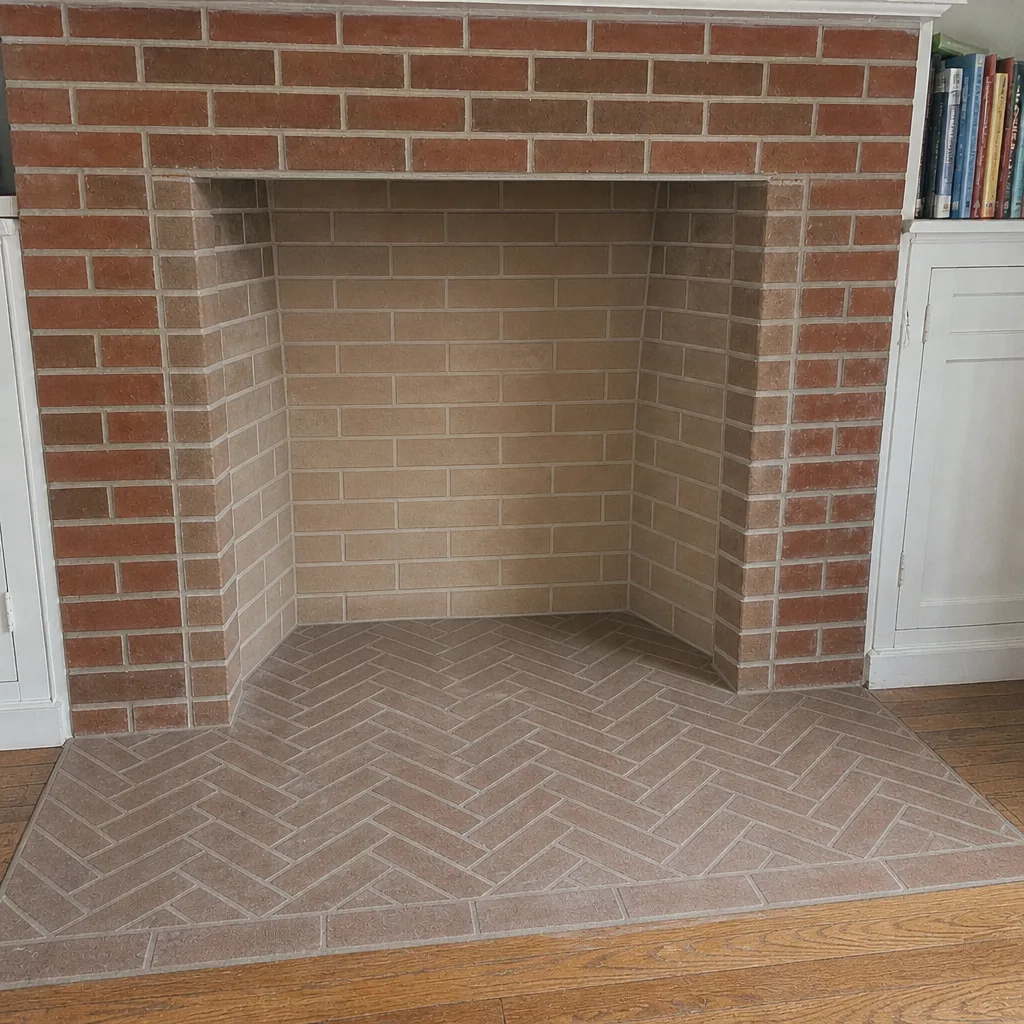
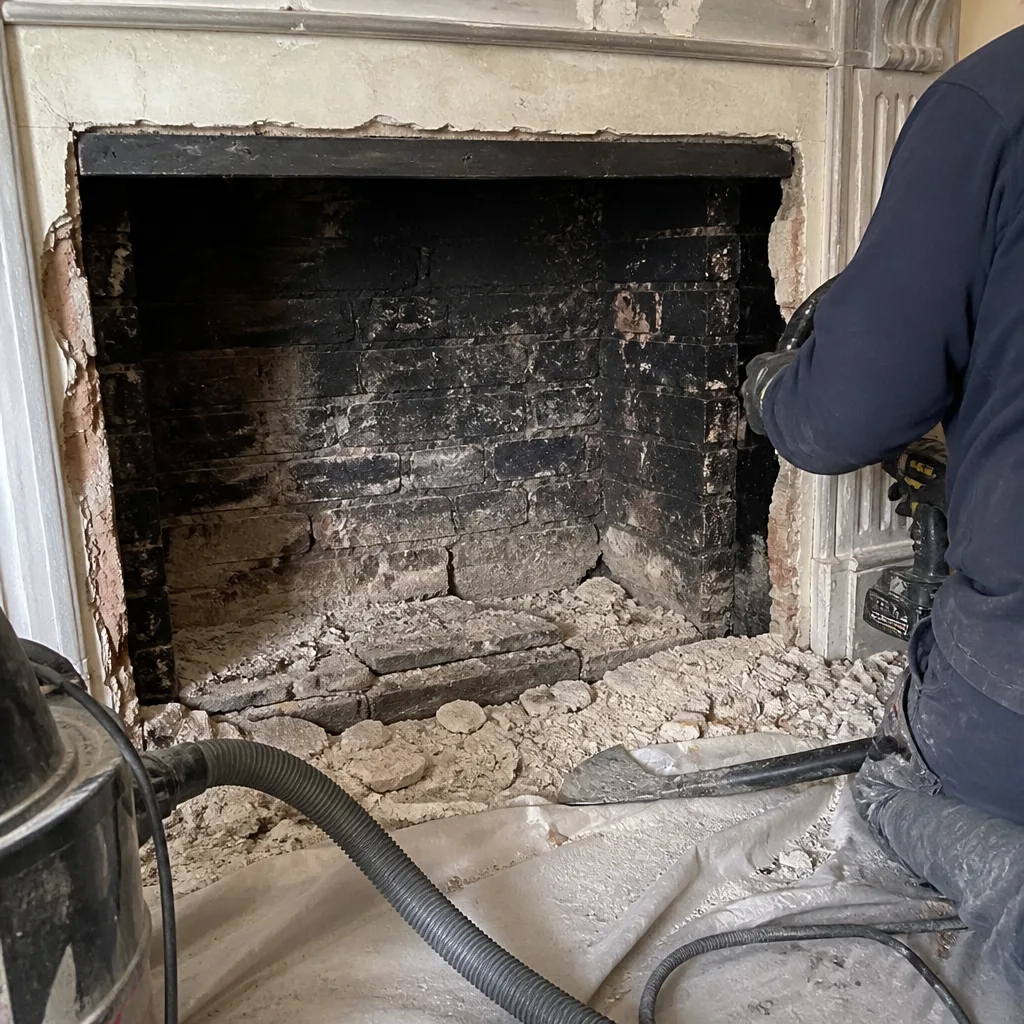
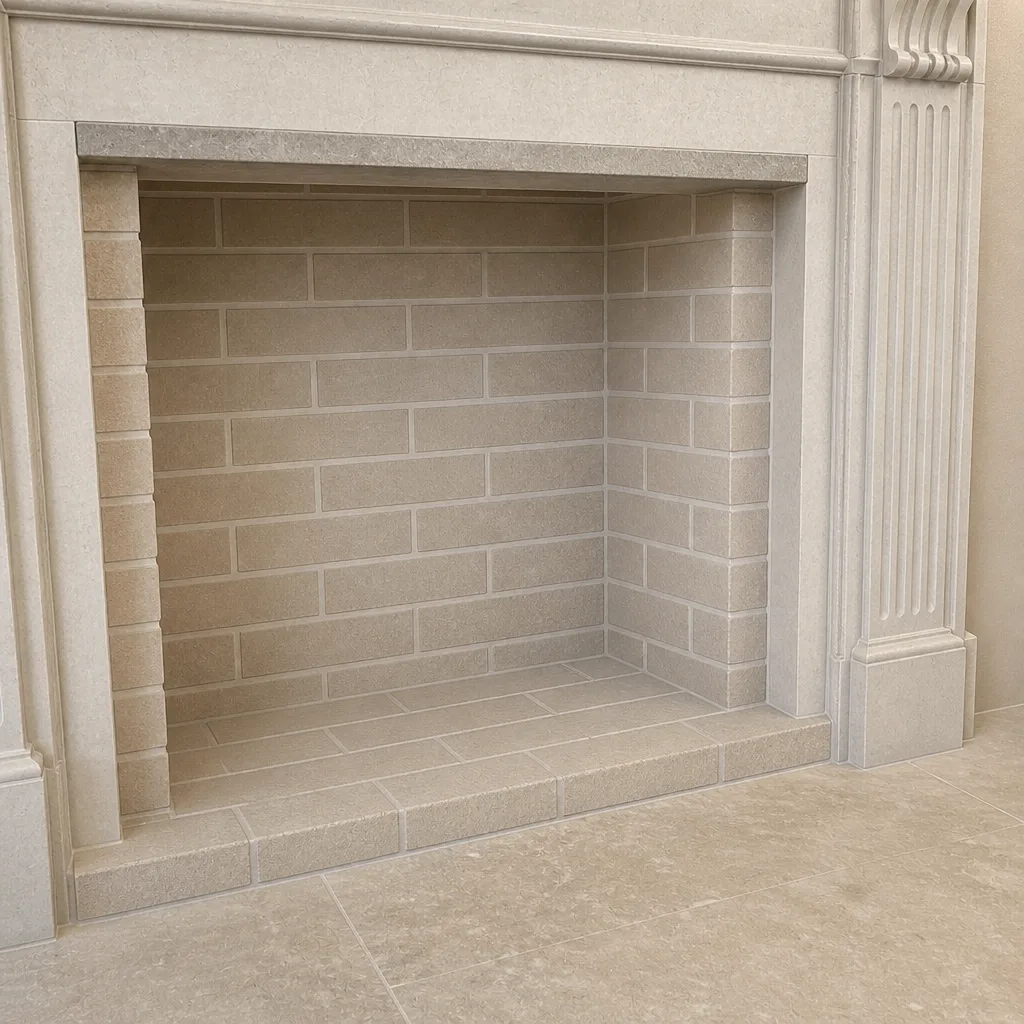
See the difference
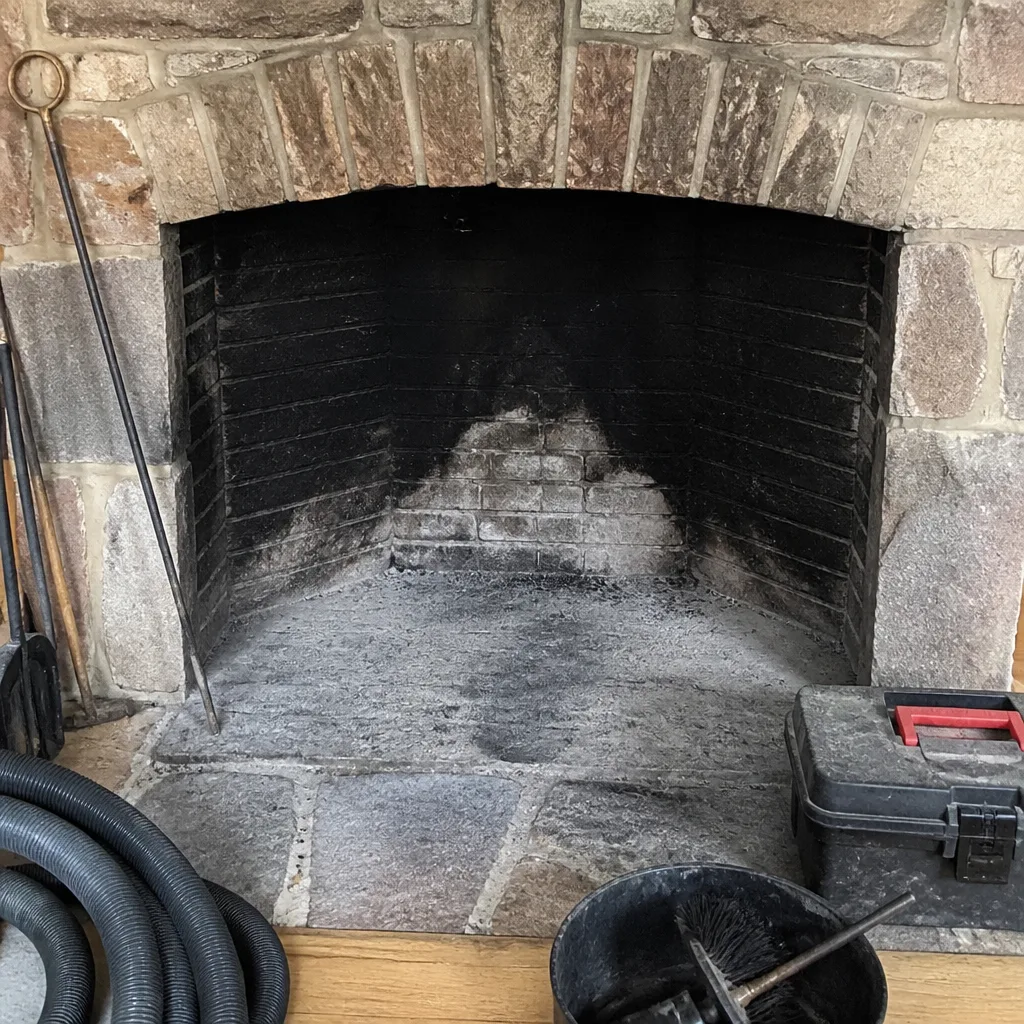 Before
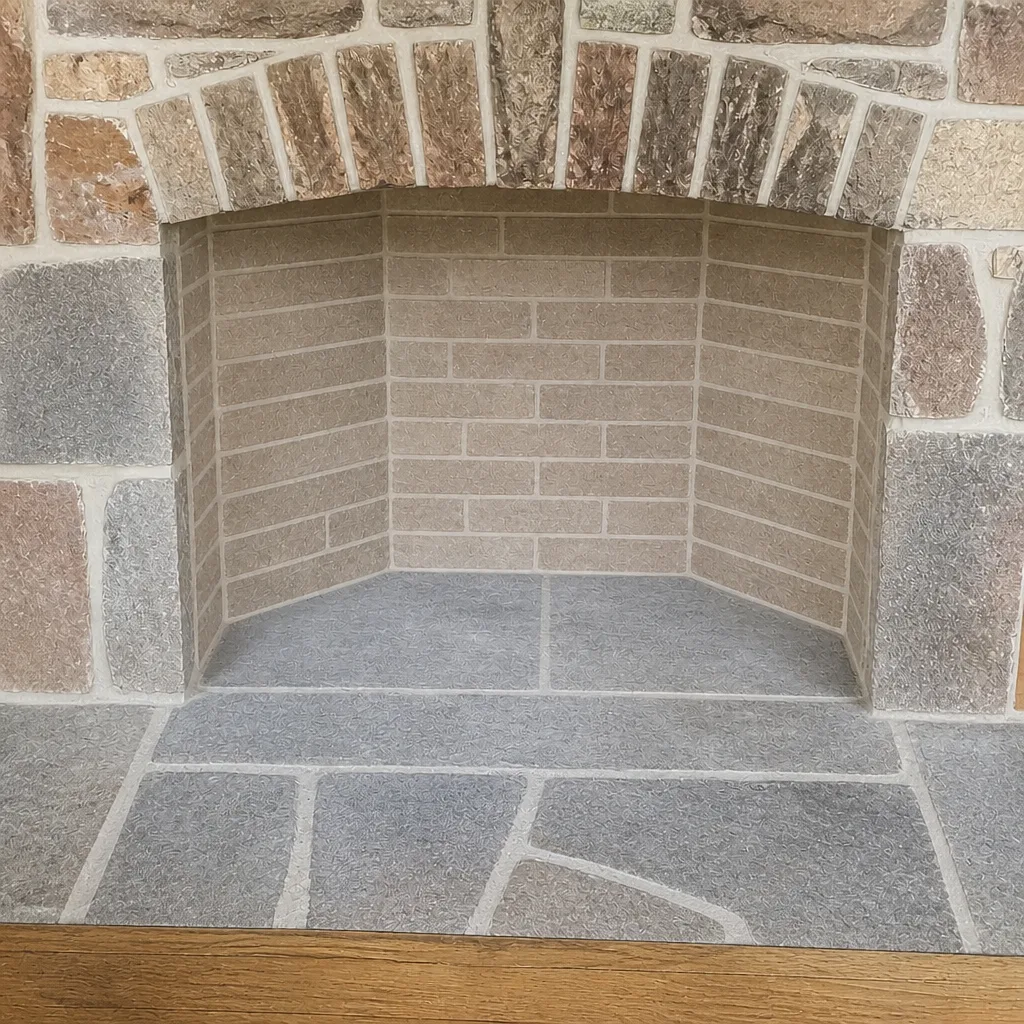 After
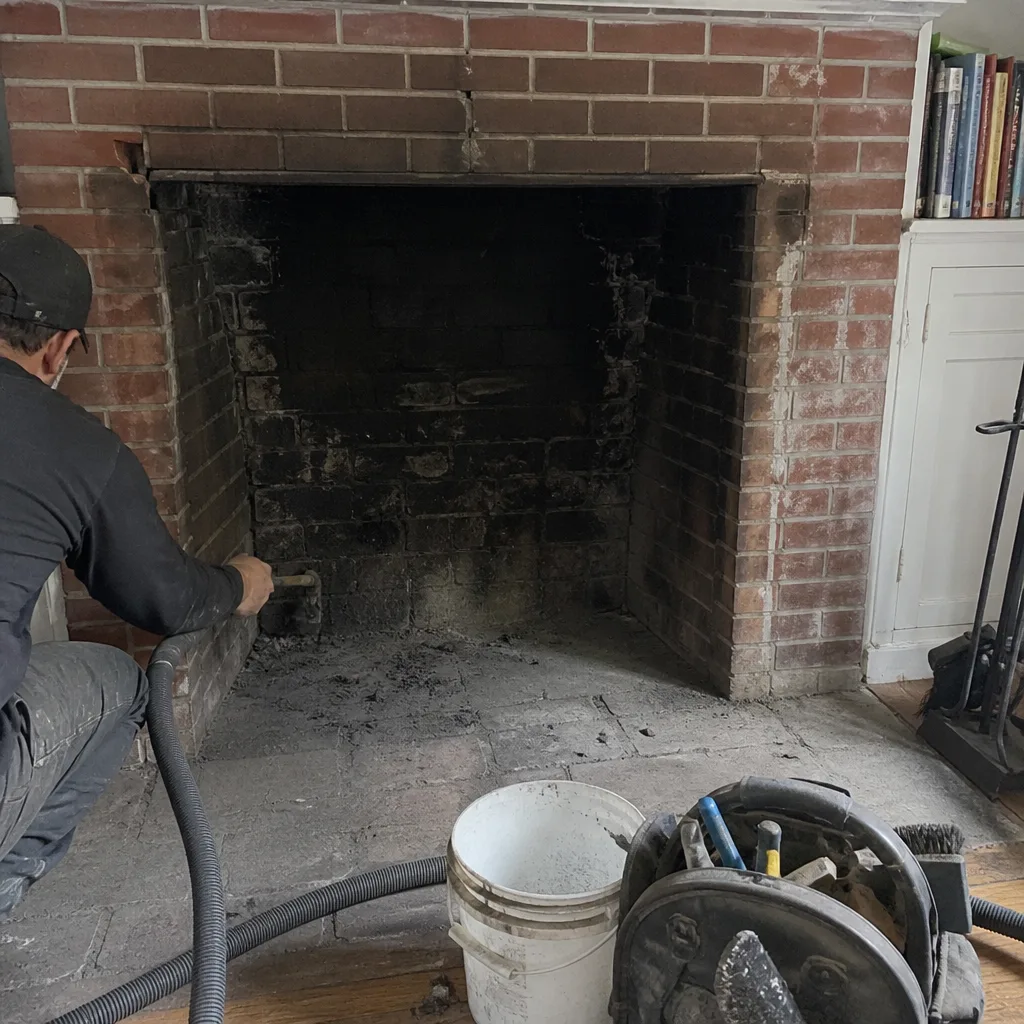 Before
 After
 Before
 After
When to Call a Professional
Some seasonal checks are safe for you to do yourself: a ground-level look at the masonry, a damper test, a firebox clean-out. Others call for a trained professional, and a few call for one immediately. Call a specialist if you see any of these:
- Crumbling mortar, spalling brick or visible cracks in the chimney exterior or firebox.
- Smoke backing into the room, or a chimney that doesn’t draw as it should.
- A strong smell from the fireplace, especially outside of burning season.
- A missing or loose cap, or evidence of birds or animals in the flue.
- A carbon monoxide detector sounding, which means stopping use and getting help right away.
- Any creosote buildup that looks heavy, glossy or more than light soot.
Chimney Sweep Crown Heights offers free estimates in Crown Heights. Call (833) 858-5823. We answer 24/7, with fast dispatch from 7am to 7pm, Sunday through Friday. Nothing is recommended without evidence you can see: a camera inspection and photo report are included, and the flat-price sweep is agreed before booking. Our technicians have up to 10 years of experience, and every material we use comes from professional-grade lines like DuraFlex, HeatShield and Gelco.
Frequently Asked Questions
Once a year is the standard recommendation for a home that burns wood, and some homeowners need it more often if they burn heavily or notice a lot of creosote. In a Crown Heights home with a wood-burning fireplace in regular use, the annual sweep and inspection should anchor the year, with light seasonal checks in between. Call (833) 858-5823 for an exact quote. Estimates are free.
Creosote builds up in the flue and becomes more flammable the thicker it gets, which raises the risk of a chimney fire. A blocked or damaged flue can also vent carbon monoxide into the home instead of out. Skipping the sweep for a season or two is a real safety issue, not just a maintenance delay. Call (833) 858-5823 to get on the schedule. Estimates are free.
Because that’s when winter moisture trapped in the masonry starts spalling and cracking, and catching it in March or April costs far less than catching it after a second freeze cycle. A brick that’s just starting to spall in spring may be a small repair; the same brick the following spring can be a structural one. The spring exterior check is the single highest-value habit in this guide.
Not always, and we won’t tell you otherwise without evidence. Many flues can be resurfaced with HeatShield rather than relined, and some don’t need either. The only way to know is a camera inspection, and the photo report lets you see the condition of the flue for yourself before any decision is made. If the flue is sound, we’ll say so, and some repair work can safely wait. Call (833) 858-5823 for an honest assessment. Estimates are free.
A gas fireplace still has a vent that carries exhaust gases outside, and that vent can become blocked or damaged. The risks are different from a wood fire, since there’s no creosote, but carbon monoxide is still the concern if the vent fails. An inspection of the vent should be part of the annual routine, even for a gas fireplace. Call (833) 858-5823 to book one. Estimates are free.
Clean out the firebox completely, remove the ash safely, close the damper fully, and confirm the cap is in place and secure. Then schedule the spring check so it isn’t forgotten. A closed and clean fireplace goes through a Brooklyn summer far better than one left open to pests and moisture.
The Bottom Line
The “sweep once a year before winter” advice is right about the annual appointment and wrong about everything else. A Crown Heights chimney goes through four seasons of conditions that affect it, and the biggest risks often build when the fireplace is off. Watch the masonry in spring, waterproof and inspect the cap in summer, stage the flue in fall, fire hot and clean in winter, and close the fireplace properly at season’s end. That rhythm, anchored by a professional sweep and inspection, keeps a chimney and fireplace safe, sound and ready for years of use.
Chimney Sweep Crown Heights is a chimney and fireplace specialist, not a general handyman. Cleaning, cap and crown work, repair and inspection all stay with one accountable specialist, using professional-grade materials engineered for flues. If anything in this guide raised a question about your chimney, call us at (833) 858-5823 for a free estimate. We answer 24/7, with fast dispatch from 7am to 7pm, Sunday through Friday.
Written by the team at Chimney Sweep Crown Heights.