
Last updated November 22, 2026
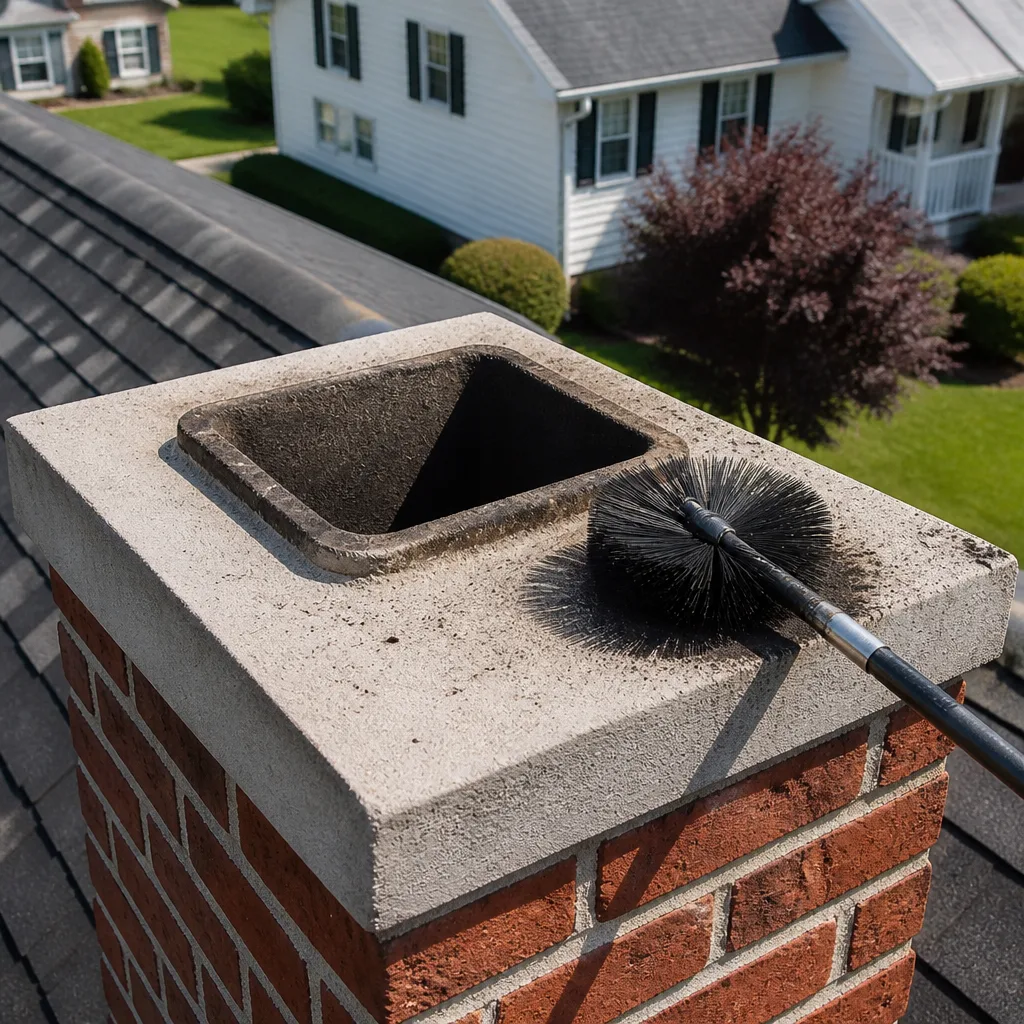 Sweep & inspection
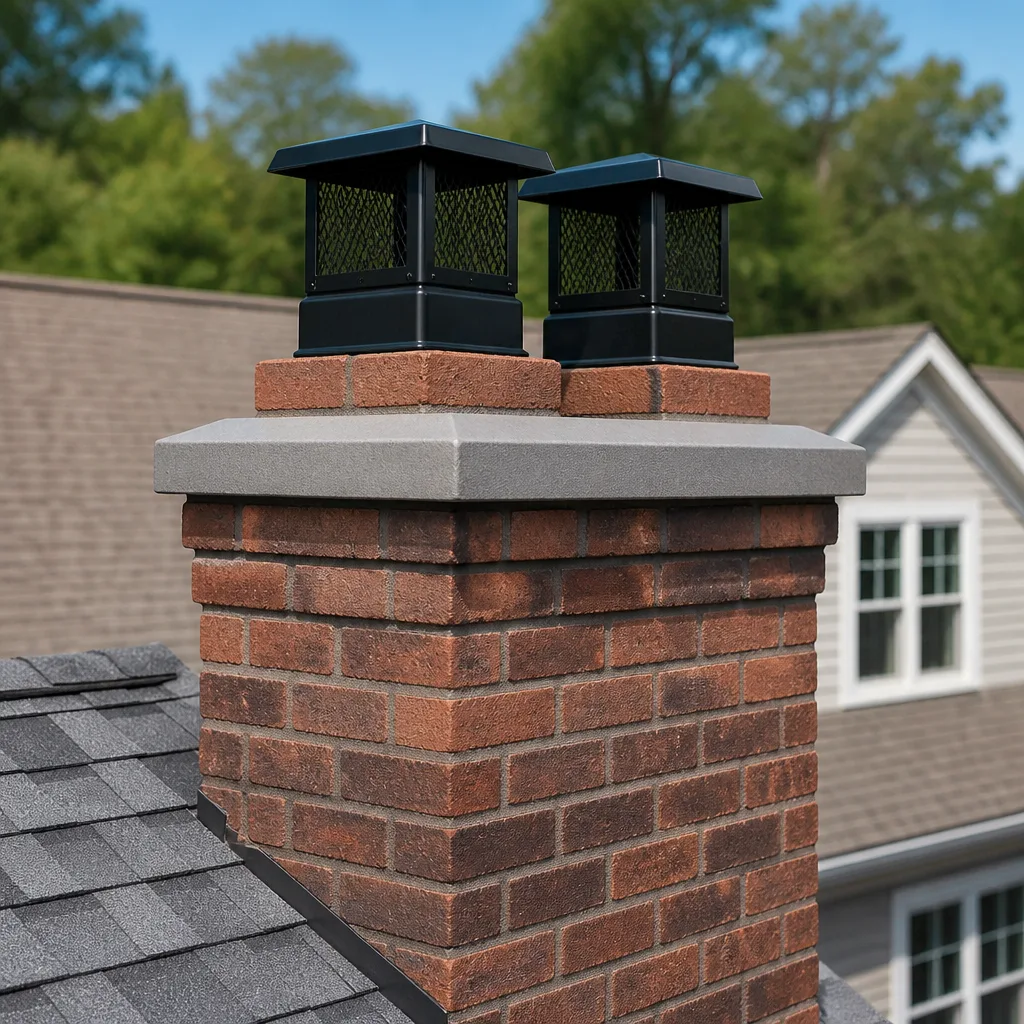 Caps & crowns
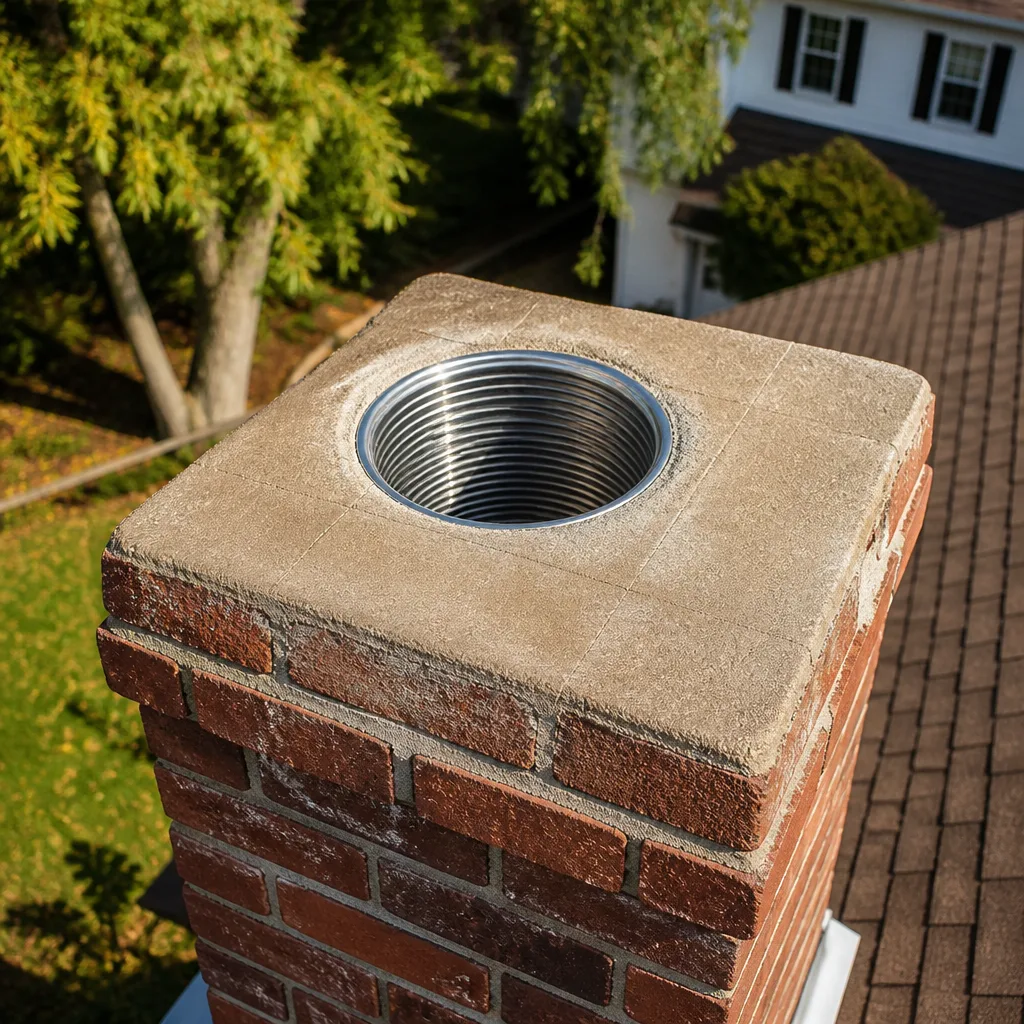 Flue relining
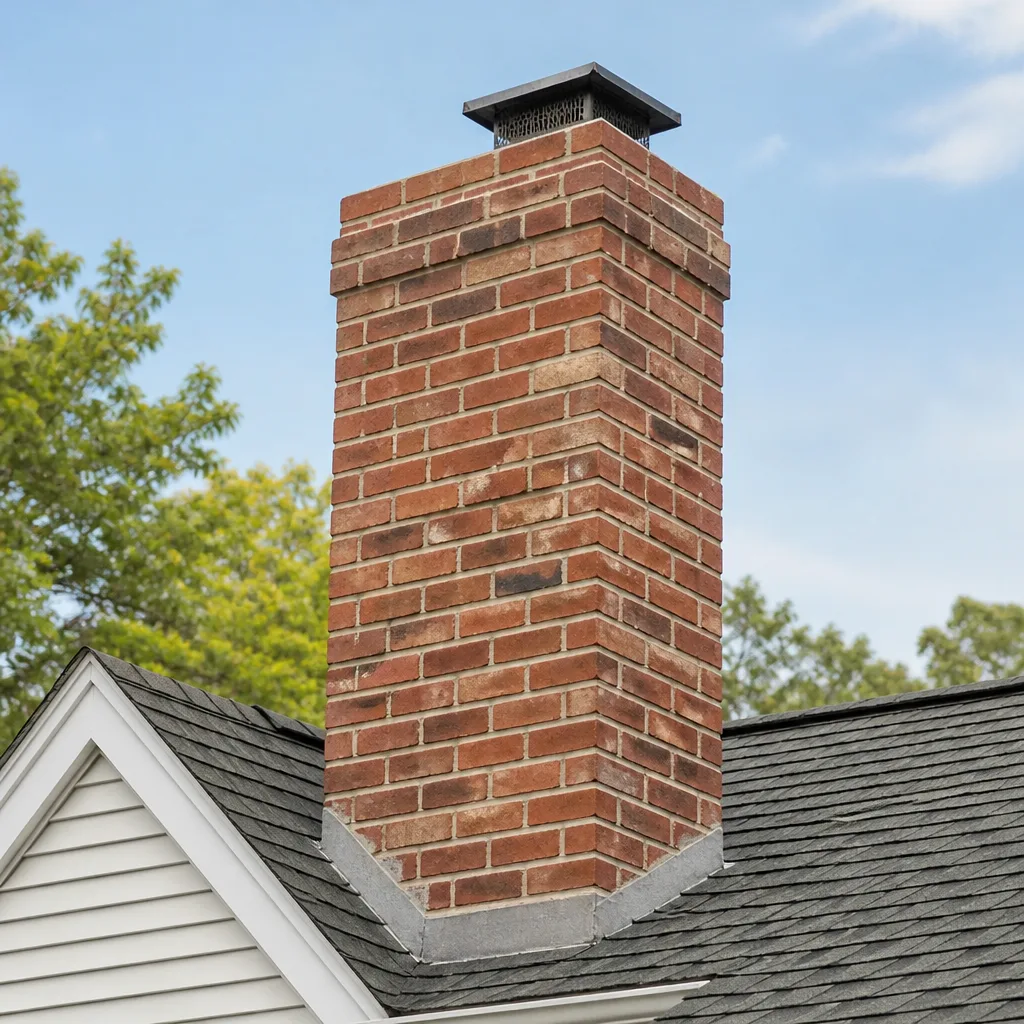 Masonry repair
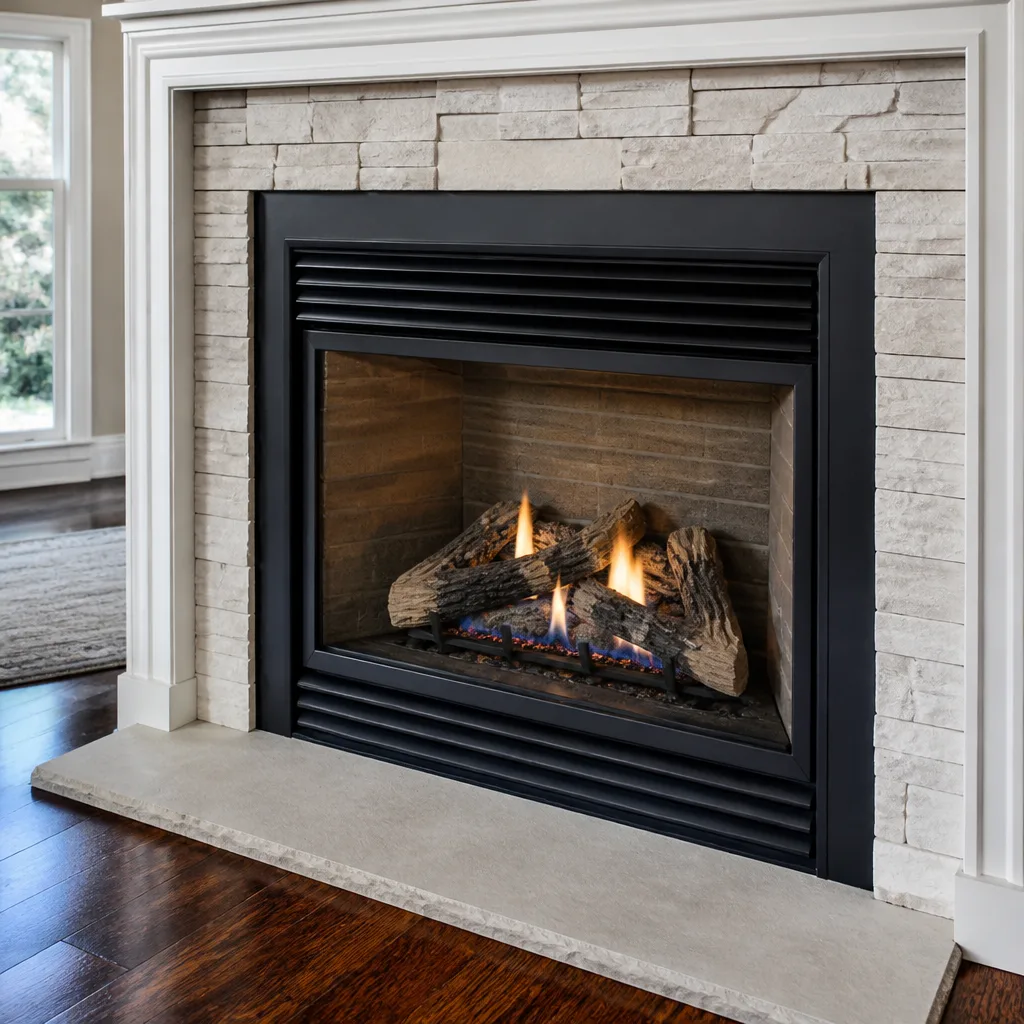 Gas fireplace service
Level 1 sweep and inspection to the NFPA 211 annual standard - flue, crown, cap, and flashing checked and photographed
Chimney sweep logs do not sweep chimneys. They loosen some creosote - which then falls where a brush and vacuum still have to collect it.
Chimney Cleaning Warning Signs: A Crown Heights Homeowner’s Reference Guide
A white stain running down the outside of a Crown Heights brownstone chimney isn’t a cosmetic issue. It’s efflorescence, and it means water is already moving through your masonry. By the time it’s visible, damage has been accumulating for months. Most chimney warning signs work that way: they show up early, they’re visible from inside the home, and they’re easy to misread without knowing the cause behind them. This guide explains what each symptom means, why it appears, and whether it needs a call now or can wait for a scheduled sweep. You don’t need roof access to catch most of these. You need to know what you’re looking at.
Quick Answer
The most reliable chimney cleaning warning signs are visible from inside your home: a dark glaze on the flue walls, rust stains near the damper, a smoky odor in summer, soot flakes falling into the firebox, or ticking and dripping sounds from the chimney. Any of these points to one of four underlying problems – creosote buildup, water intrusion, a failing liner, or an animal or debris blockage. Rust stains, glaze, and persistent odors warrant prompt service. Light soot and a normal seasonal smell before the first fire of the year can usually wait for your next scheduled sweep.
Styles & brands we work with
- Sweep & inspection
- Caps & crowns
- Flue relining
- Masonry repair
- Gas fireplace service
Table of Contents
- Why White Stains and Efflorescence Matter on Crown Heights Chimneys
- The Difference Between a Summer Odor and a Winter Odor
- What a Rust Stain Near the Damper Tells You About Your Liner
- Normal Soot vs. Third-Degree Creosote Glaze: How to Tell Them Apart
- Ticking, Dripping, and Animal Sounds: What Each One Warrants
- What You Can See From the Ground and What You Can’t
- Which Warning Signs Need a Call Now and Which Can Wait
- How a Chimney Inspection in Crown Heights Actually Works
Why White Stains and Efflorescence Matter on Crown Heights Chimneys
Efflorescence is the chalky white residue left behind when water dissolves salts inside masonry and then evaporates at the surface. It is not mold, and it is not paint flaking. It is the visible end of a process that has been running for months: moisture gets into the brick or mortar, travels outward, and leaves salt deposits as it dries. On a Crown Heights brownstone, that white wash is often the first outward sign of a failing crown, a cracked mortar joint, or a chimney cap that has stopped shedding water.
What makes efflorescence worth taking seriously is that the interior damage always runs ahead of the exterior stain. By the time you see white on the outside, the mortar behind it has typically been wet through several freeze-thaw cycles. Crown Heights winters bring enough freezing nights that water trapped in masonry expands, pushes joints apart, and lets in more water. Each cycle is a little worse than the one before.
Here’s what the different stains tell you:
- Chalky white powder or crust: water is migrating through the masonry and evaporating. Most often a crown or cap problem.
- Dark, wet patches that don’t dry: water is entering faster than the brick can shed it – usually a missing cap or a cracked crown.
- Rust-colored streaks below metal: a metal cap, chase cover, or flashing has corroded and is releasing water with iron in it.
- Green or black growth on the chimney face: organic matter is living on sustained moisture. On a north-facing chimney in Crown Heights, that can stay damp most of the year.
Water intrusion is the most common cause of chimney deterioration we see in Crown Heights, and it is almost always cheaper to stop than to repair. Crown and cap work is what keeps water out in the first place – the mortar crown at the top of the chimney should slope away from the flue and shed water rather than hold it. If yours is cracked or flat, that white stain will keep spreading until the crown, cap, and flashing are addressed. Our chimney cap & crown work is where this gets fixed, and it’s the reason we look at the top of the chimney as carefully as the flue.
The Difference Between a Summer Odor and a Winter Odor
A smoky smell in the firebox means two completely different things depending on the season. In summer, it usually means the chimney has drawn in humid outdoor air that has picked up the creosote smell from the flue walls – a draft reversal, not an active problem. In winter, a smoky odor in a room with a fire going means the smoke isn’t leaving the way it should, and that’s a draft or blockage issue that needs attention before your next fire.
The summer smell
On warm, humid days, the air inside a cool chimney is denser than the air outside. The chimney can reverse its draft and push air (and the smell of old creosote) down into the house. That’s why a firebox that was fine all winter suddenly smells smoky in July. Creosote residue absorbs moisture from the humid air, and the odor is more noticeable as a result. A thorough chimney sweep removes that residue and usually makes a real difference in how much the firebox smells in the off-season.
The winter smell
During burning season, a smoky smell in the room means the smoke path is compromised. Possibilities include a partially blocked flue, a closed or partly closed damper, negative pressure in the house pulling smoke back in, or a fire that’s smoldering because the wood is too wet. Crown Heights homes with modern air-tight windows and doors can create enough negative pressure that a chimney struggles to draw at all. Winter odor is not something to live with – it’s a sign worth diagnosing.
How to tell them apart
- Note when it happens. No fire burning and warm, humid weather points to a seasonal draft reversal.
- Do the smell test with a fire going. Persistent smoke smell during an active fire points to a draft or blockage problem.
- Check the wood. Seasoned wood should be visibly dry and relatively light. Wet wood smolders and smokes.
- Look at the damper. A damper that won’t open fully is its own warning sign.
- If it happens during burning season, treat it as a prompt call. If it’s summer only and mild, it can wait for a scheduled sweep.
The summer version is unpleasant but usually not urgent. The winter version means smoke is going into the room instead of up the flue, and that’s worth a look.
What a Rust Stain Near the Damper Tells You About Your Liner
A rust stain anywhere around the damper assembly points to water getting into the chimney from above. Since the damper sits at the bottom of the flue, water that reaches it has traveled the full length of the lining. On a masonry flue, that water is coming through the interior of the masonry and often through a failing liner; on a metal liner, the rust means the metal itself has been wet long enough to corrode.
The staining is the visible part. The condition of the liner is the part you can’t see, and it’s the part that matters. A corroded or cracked liner is the component that keeps heat and combustion gases away from the framing and masonry around the chimney. When that lining fails, everything around it is exposed. Rust near the damper is one of the few warning signs that points directly at liner condition, which is why we treat it as more serious than a bit of surface discoloration.
Where to look, and what each find means:
- Rust or white crust on the damper frame: water is reaching the damper. Check the crown and cap above.
- Rust-colored stains on the firebox brick: moisture is running down the flue onto the brickwork.
- Flaking metal on the liner components: the liner is actively corroding.
- Water visibly dripping from the damper: active intrusion, address immediately.
Metal liners installed in a wet chimney have a finite life, and rust is the signal that yours may be at the end of it. DuraFlex flexible liner systems are what we use for relining projects on this exact kind of corrosion – a flexible stainless liner that can be run through the existing masonry flue and connected to the appliance. The actual condition has to be confirmed by inspecting the flue, not just the stain. If you’re seeing rust in more than one place, that’s a prompt appointment rather than a wait-and-see.
Normal Soot vs. Third-Degree Creosote Glaze: How to Tell Them Apart
Soot is black, powdery, and wipes off easily. Third-degree creosote is shiny, hard, and looks a little like varnished tar baked onto the flue wall. That difference matters because third-degree glaze is the stage most associated with chimney fires, and it cannot be brushed off like ordinary soot.
Creosote forms in stages, and most of it can be removed with a standard sweep. The progression goes like this:
- First degree: flaky, dusty soot. This is what comes off a regular sweep and what most of the flue should look like.
- Second degree: dry, dark flakes or bits that cling to the flue wall. Still brushable but heavier.
- Third degree: a shiny, hardened glaze that looks like tar. Brushing doesn’t remove it.
If you can see into the flue (from the firebox, using a light and a mirror), look for the difference: powder is normal; glaze is not. Third-degree creosote needs more than a sweep. It usually requires chemical treatment to soften the glaze before it can be removed, or in severe cases rotary cleaning with the right tools. A chimney sweep who only brushes will not be able to address third-degree glaze, and this is one of the reasons we work with the full set of professional tools rather than a standard brush kit.
Ticking, Dripping, and Animal Sounds: What Each One Warrants
Chimney sounds are useful diagnostics because the type of sound points to the cause. A ticking sound points to something mechanical. A dripping sound points to water. Scratching or flapping points to an animal. Each one calls for a different response.
- Ticking: often metal liner components expanding or contracting as they heat and cool, or a loose cap vibrating in the wind. Can be normal, but if it starts suddenly, it’s worth a look.
- Dripping: water is getting in. Check the crown and cap, and look for efflorescence or rust below.
- Scratching, chirping, or flapping: birds, squirrels, or raccoons in the flue. They can carry nesting material that blocks the chimney, and the nest material itself is combustible.
- A tapping or knocking sound in wind: a loose chimney cap or flashing moving in the wind. Usually a repair item, not an emergency.
- A roar or whooshing with a fire going: abnormal, could indicate an active flue fire or a heavily blocked flue. Call.
The animal issue in Crown Heights is worth calling out. Trees near the rooflines of the older brownstones and row houses create easy access, and a missing or damaged cap is exactly what lets squirrels, birds, and raccoons in. A proper cap keeps them out, and it also keeps rain and debris out, which heads off the efflorescence and rust problems above. Getting the animal out is the first step; the second is making sure the flue isn’t now blocked with nesting material and flue residue, and a sweep is the right follow-up.
What You Can See From the Ground and What You Can’t
The point of this guide is that most signs of a problem are visible from inside the home – but not all of them. From the ground, you can see some things clearly if you have a reasonable line of sight to the top of the chimney. What you cannot see from the ground, in almost every case, is the condition of the flue interior, the state of the liner, or the point where the chimney passes through the roof.
What to check from the ground:
- The crown at the very top: is the mortar sloping away from the flue, or is it cracked, crumbled, or flat?
- The chimney cap: is there one, and is it intact? A missing or damaged cap is a direct route for water and animals.
- The masonry face: any white efflorescence, rust streaks, dark patches, or green growth.
- The flashing where the chimney meets the roof: lifted, rusted, or separated flashing lets water in at the joint.
- The chimney stack itself: leaning, missing bricks, spalling brick faces, or missing mortar.
What you cannot judge from the ground: the thickness of the creosote inside the flue, the condition of the liner, the presence of a partial blockage, and the condition of the flue tiles. These require a proper inspection. That’s why an inspection-first approach matters more than a quick clean. A sweep without an inspection tells you the flue got brushed; an inspection tells you what state it was in and what needs to happen next.
The other part you cannot see is when the problem is actually structural, which brings in our chimney repair work. Spalling brick and failing mortar joints on a Crown Heights brownstone are usually visible from the ground before they’re urgent, which gives you a window to schedule the repair rather than reacting to it.
Which Warning Signs Need a Call Now and Which Can Wait
Not every warning sign is a same-week problem. The dividing line is whether the issue can damage your home or put your safety at risk while you wait. Here’s the split we work from.
Call now (schedule a prompt appointment)
- Rust or water stains around the damper, or water visibly dripping into the firebox.
- Shiny, hardened creosote glaze visible in the flue.
- The smell of smoke in the room while a fire is burning.
- Animal sounds from the chimney, or visible nesting material.
- A sudden roar or whooshing from the chimney during a fire, or a burning smell coming from the chimney itself.
- Cracked or discolored masonry around the firebox, or damaged liner components.
Can wait for a scheduled appointment
- A mild smoky smell in summer only.
- Ordinary powdery soot on the flue walls at your regular sweep interval.
- A pre-season smell before the first fire of the year, when it’s mild and seasonal.
- A ticking sound that starts and stops with normal use.
- Efflorescence that has not changed or spread since the last time you noticed it.
None of these are reasons to skip service entirely. The “can wait” category is about timing, not whether to do the work. During the burning season, an off schedule sweep often slots in better ahead of the fall rush than in the middle of it. If you’re unsure which side a symptom is on, describe it to us and we’ll tell you what we think.
How a Chimney Inspection in Crown Heights Actually Works
An inspection is not the same as a sweep, and the difference matters for what it can tell you. The sweep cleans the flue; the inspection assesses the whole system – the firebox, the damper, the flue, the liner, the crown, the cap, the flashing, and the chimney exterior. Both are done together so the condition is documented before and after the cleaning, and so any issues found are tied to what was actually in the flue.
What a typical inspection covers:
- Exterior check: crown, cap, masonry, flashing, and the condition of the brick and mortar.
- Firebox and damper: cracks, rust, and damper function.
- Flue assessment: a visual check of the flue walls, plus a camera check where reach or condition requires it, to confirm creosote levels, blockages, and the condition of the liner.
- Structural check: the chimney’s condition where it passes through the roof line.
- Documentation: the findings are recorded, so you have a clear picture of the current condition and a reference point for future inspections.
HeatShield ceramic repair systems are what we use when the flue lining has cracked joints or a deteriorated interior that needs resurfacing rather than replacement – a repair system engineered specifically for masonry flues. We draw our materials from a fixed roster of professional brands – DuraFlex, HeatShield, Gelco, Olympia Chimney, Famco, and Copperfield – because we work in this trade only. That’s also why the inspection is structured the way it is: the person assessing the system is the same person who does the repair work, so nothing gets lost between a report and a repair.
Our technicians have up to 10 years of experience in this work. We aren’t a general home-services company that adds chimney cleaning to a list; every tool and material we use was selected for the flue and the fireplace, and nothing else.
Common Mistakes to Avoid
- Treating a summer smell as an emergency. A smoky odor in warm, humid weather is usually a draft reversal, not a fire risk. Note whether your firebox smells in winter with a fire going – the winter smell is the one to act on.
- Assuming white stains are just paint. Efflorescence means water has been moving through the masonry for months, and it won’t stop until the crown, cap, or flashing is fixed. Treating the stain without fixing the source is wasted effort.
- Burning wet wood to get more heat. Wet wood smolders, produces more creosote, and makes the flue condition worse. In Crown Heights, a stack of wood under a tarp for the season is a habit worth keeping.
- Cleaning the flue with a brush only when you can see glaze. Third-degree creosote doesn’t come off with a brush. If you can see the shiny glaze, it needs proper treatment, not a quick brush.
- Putting off a cap “until spring.” A missing cap lets rain, snow, and animals in every day it stays off. It is the cheapest fix on the list and the one that prevents the most expensive damage.
- Ignoring a ticking sound that started suddenly. A sound that appears without a change in weather or use is worth a look – it could be a liner component coming loose.
- Skipping the annual inspection because the chimney “seems fine.” The flue liner can deteriorate behind a clean-looking firebox. The inspection is what catches the problems without outward signs.
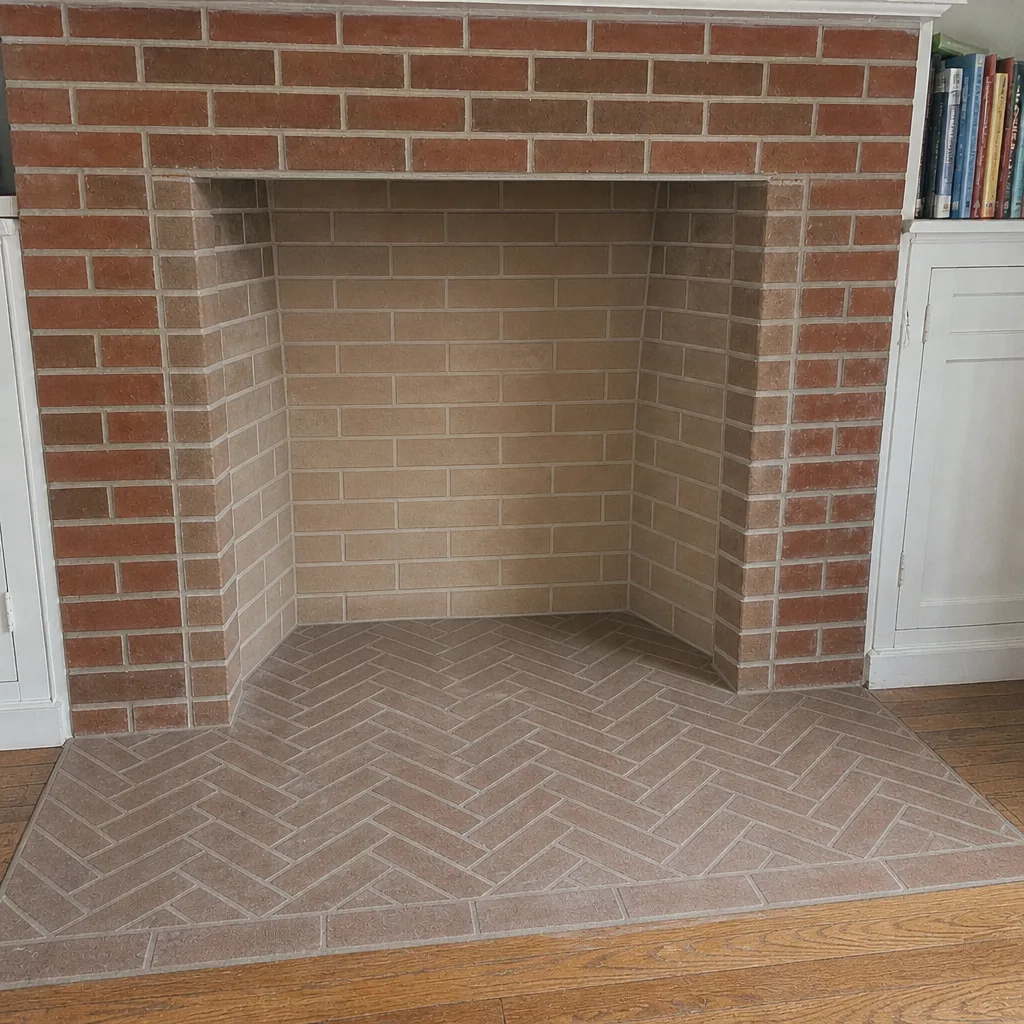
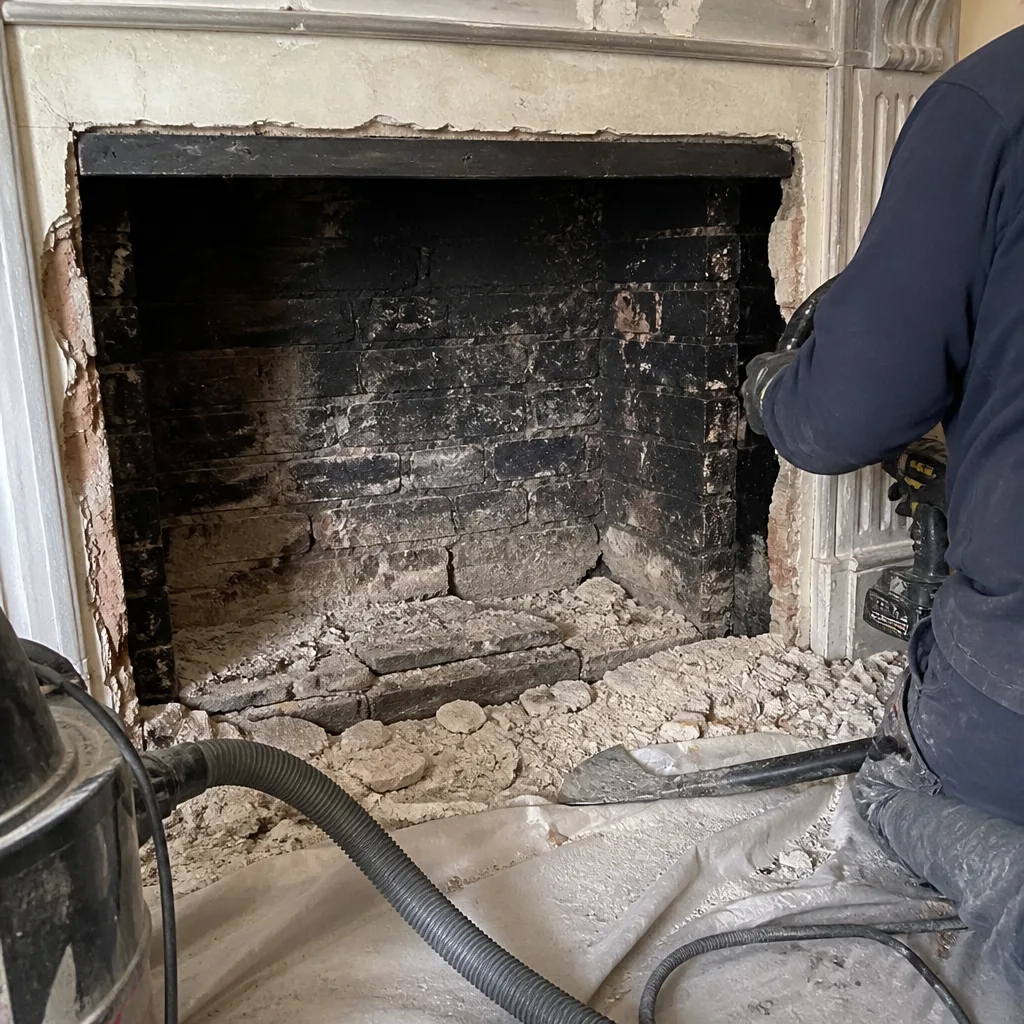
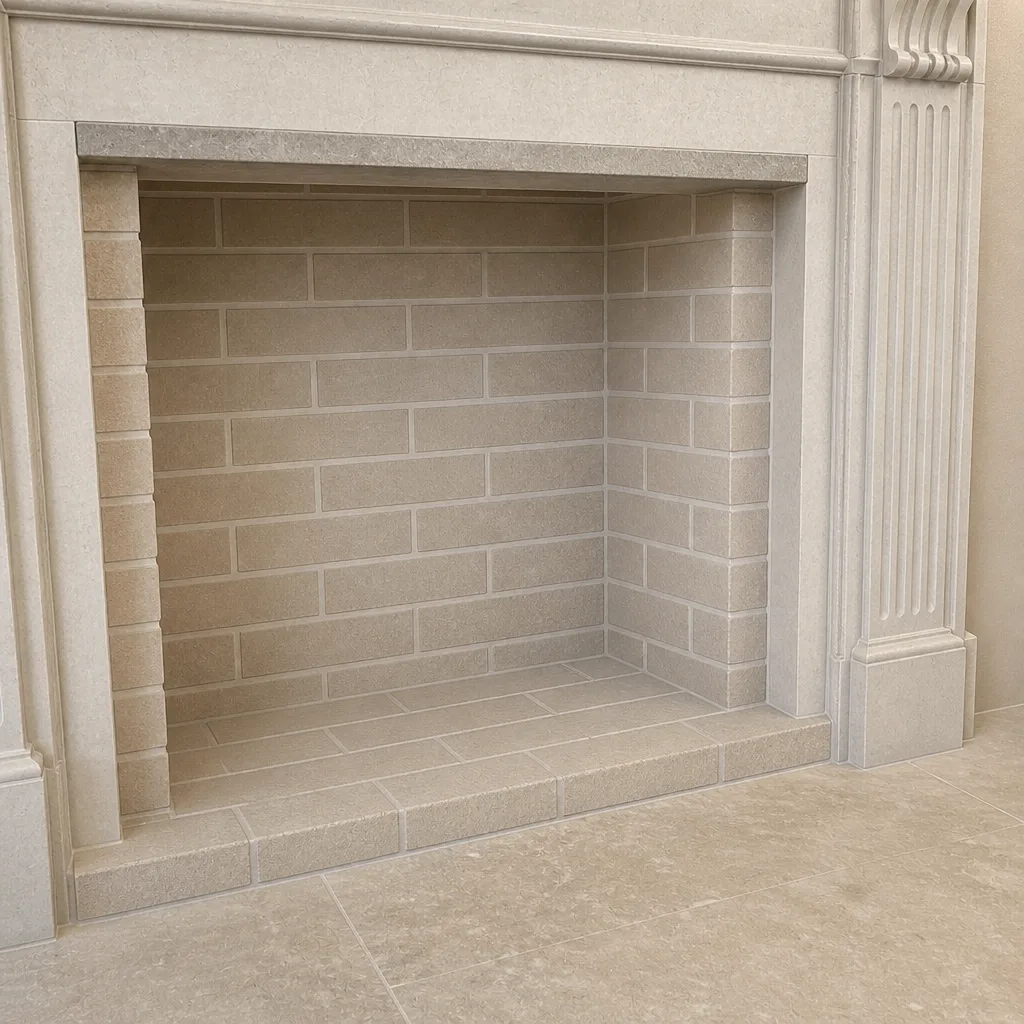
See the difference
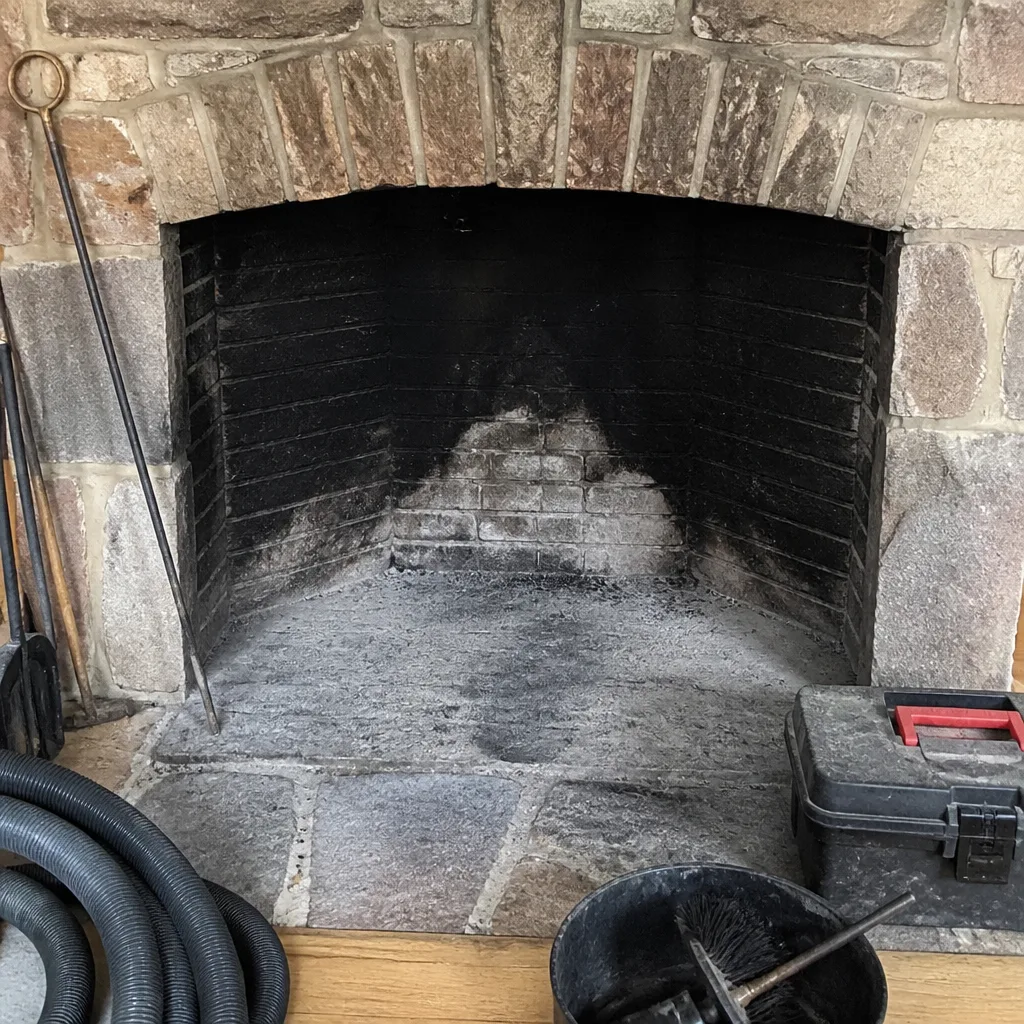 Before
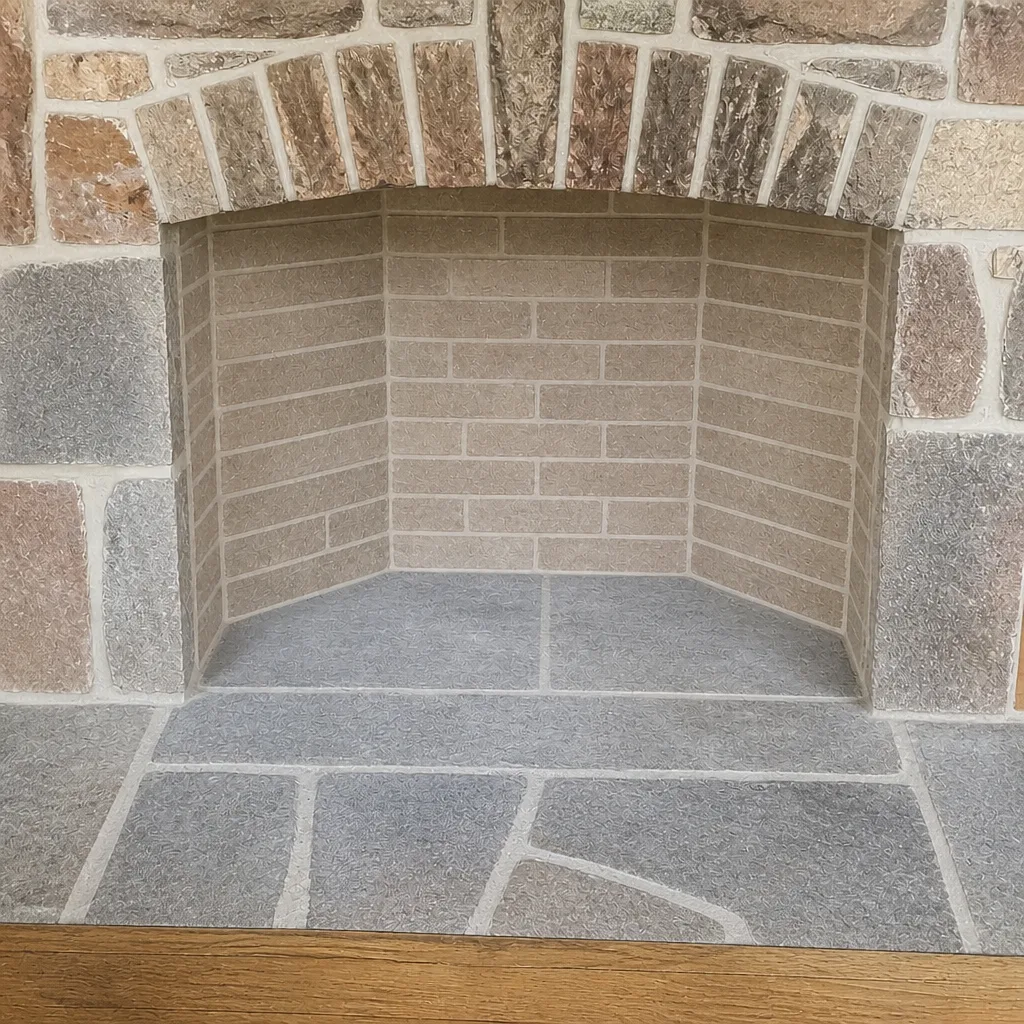 After
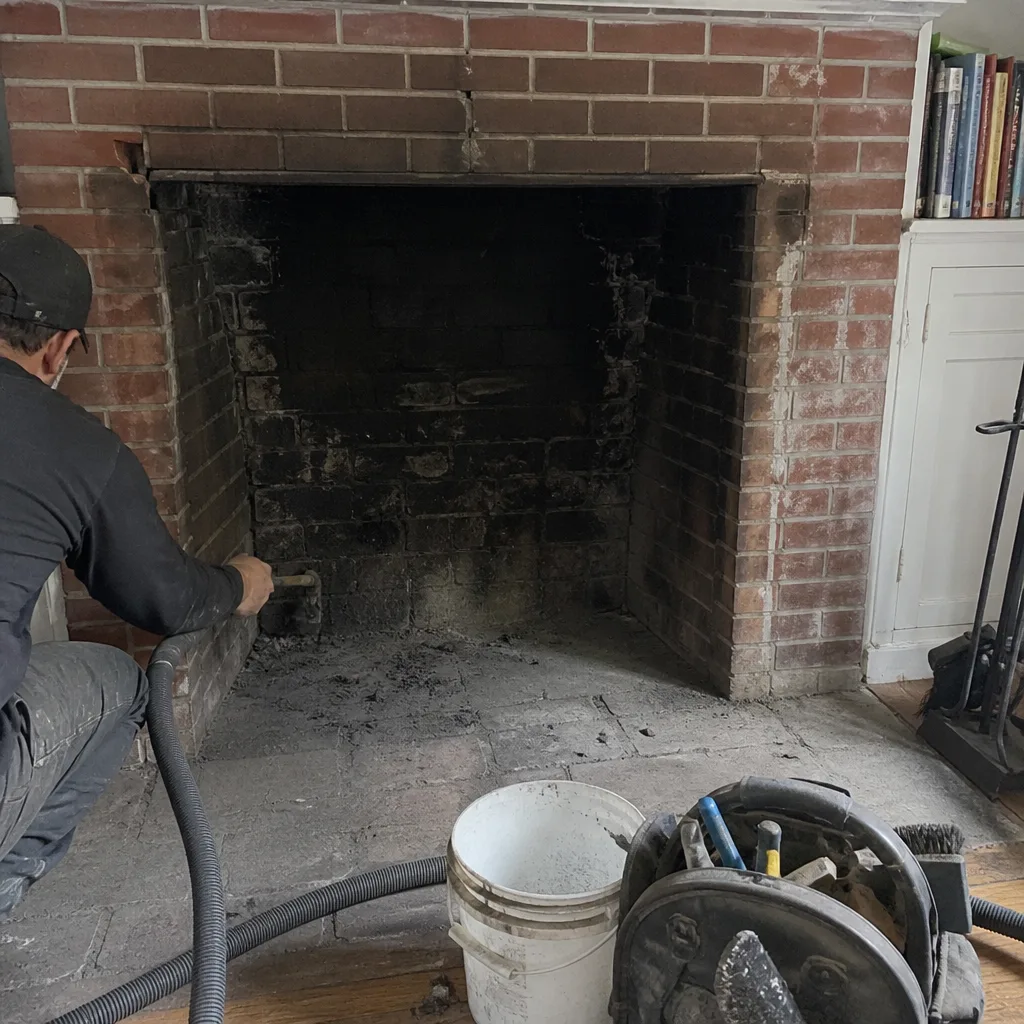 Before
 After
 Before
 After
When to Call a Professional
Call a professional if you see any of the following: shiny creosote glaze in the flue, rust or water stains near the damper, smoke smell in the room while a fire is burning, animal sounds from the chimney, cracked masonry around the firebox, or a chimney cap or crown that is missing or failing. If you’re not sure which category a symptom falls into, describe it to us and we’ll tell you whether it needs a prompt appointment or a scheduled one. Chimney Sweep Crown Heights offers free estimates in Crown Heights. Call (833) 858-5823. We answer 24/7. Fast dispatch from 7am to 7pm, Sunday through Friday. Every inspection includes photo evidence of what we find, so you see the same thing we see before any repair is recommended.
Frequently Asked Questions
The first signs are usually visible from inside the home: a dark glaze or heavy soot on the flue walls, a smoky odor in summer, rust or water stains near the damper, soot flakes falling into the firebox, or ticking and dripping sounds from the chimney. Any one of these is worth an inspection, and the sooner the better. Call (833) 858-5823 for an exact quote – estimates are free.
Normal soot is black and powdery and wipes off easily. Dangerous third-degree creosote is shiny, hard, and looks like tar baked onto the flue wall – brushing removes soot, but it won’t remove glaze. If you can see the shiny surface, that’s the dangerous stage and it needs proper treatment, not a quick sweep. Call (833) 858-5823 to have it assessed – estimates are free.
A summer smell is usually a draft reversal: humid outdoor air gets heavier than the air in the cool chimney and pushes the creosote odor down into the house. A smell in winter, during a fire, means smoke isn’t leaving the flue properly, which is a draft or blockage issue. The summer version can usually wait for a scheduled sweep; the winter version calls for a prompt appointment.
You can brush loose soot from a cool, cleaned flue, but you can’t inspect the liner, assess the crown and cap, identify third-degree creosote, or spot a partial blockage without proper equipment and knowledge. And a chimney is not a safe surface to work on from height. The inspection is the part that protects the house. Call (833) 858-5823 to have the whole system checked – estimates are free.
Rust and water stains near the damper are a warning sign, but the condition that matters is the lining itself, which you can’t see without an inspection. A camera check is the only way to confirm whether the liner is cracked, corroded, or intact. Nothing gets recommended until you’ve seen the footage. Call (833) 858-5823 for an inspection – estimates are free.
Yes. The freeze-thaw cycle in Crown Heights winters works moisture through masonry joints, cracking them wider and letting in more water; that’s why efflorescence and crown damage are common here. And warm, humid summers create the draft reversal that makes a firebox smell smoky in July. Both are reasons the inspection should cover the crown and cap as well as the flue itself. Call (833) 858-5823 to book a Crown Heights inspection – estimates are free.
The Bottom Line
Most chimney warning signs are visible from where you’re already standing, inside the home. White efflorescence means water is moving through the masonry. Rust near the damper points at the liner condition you can’t see. A shiny glaze on the flue is third-degree creosote, and it needs treatment, not just a brush. A summer smell usually waits for a scheduled sweep; a winter smell while a fire is burning does not. And the crown and cap are the cheapest fixes on the list that prevent the most expensive damage. Our technicians have up to 10 years of experience, and every inspection comes with photo evidence of what we find – you’ll see the same things we see before any repair gets recommended.
One specialist for the full chimney system – sweep, inspect, repair, and upgrade – is what we do at Chimney Sweep Crown Heights. Call (833) 858-5823 for a free estimate. We answer 24/7. Fast dispatch from 7am to 7pm, Sunday through Friday.
Written by the team at Chimney Sweep Crown Heights.