
Last updated November 22, 2026
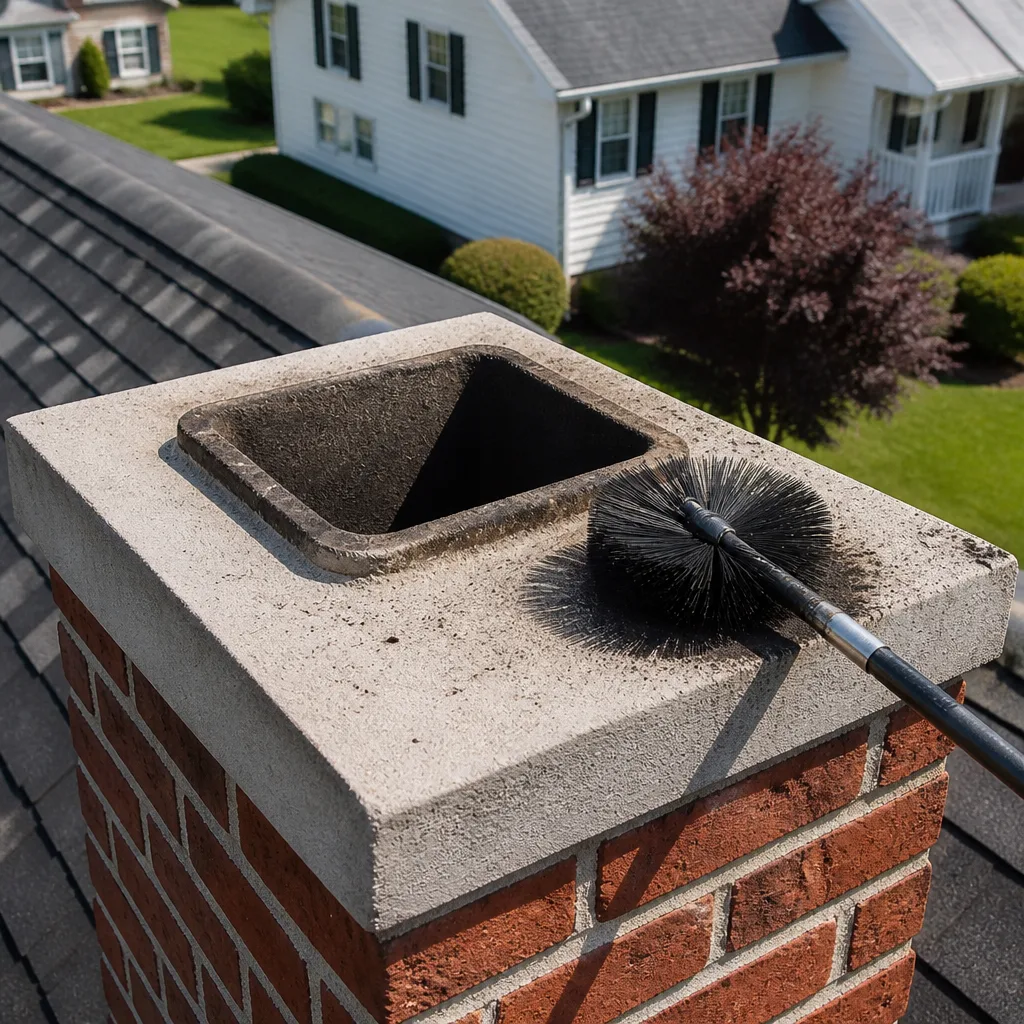 Sweep & inspection
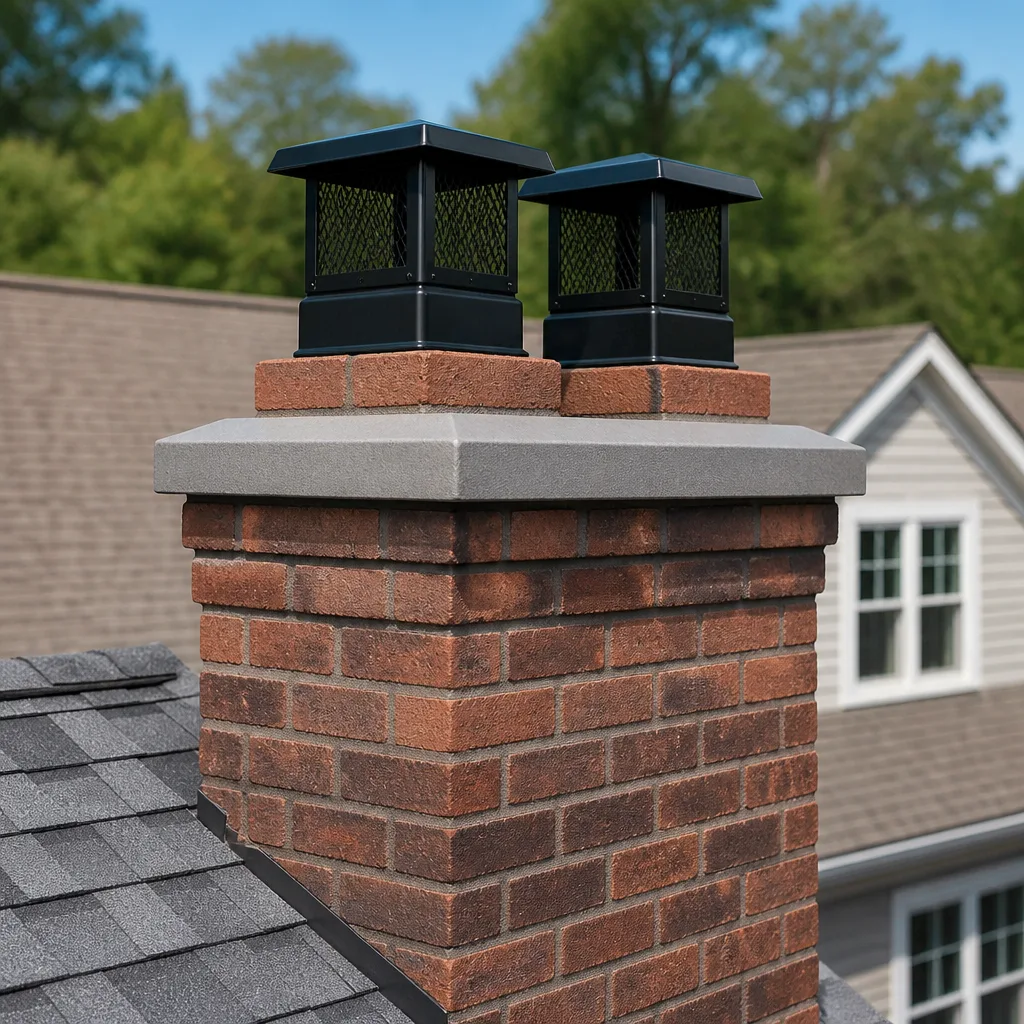 Caps & crowns
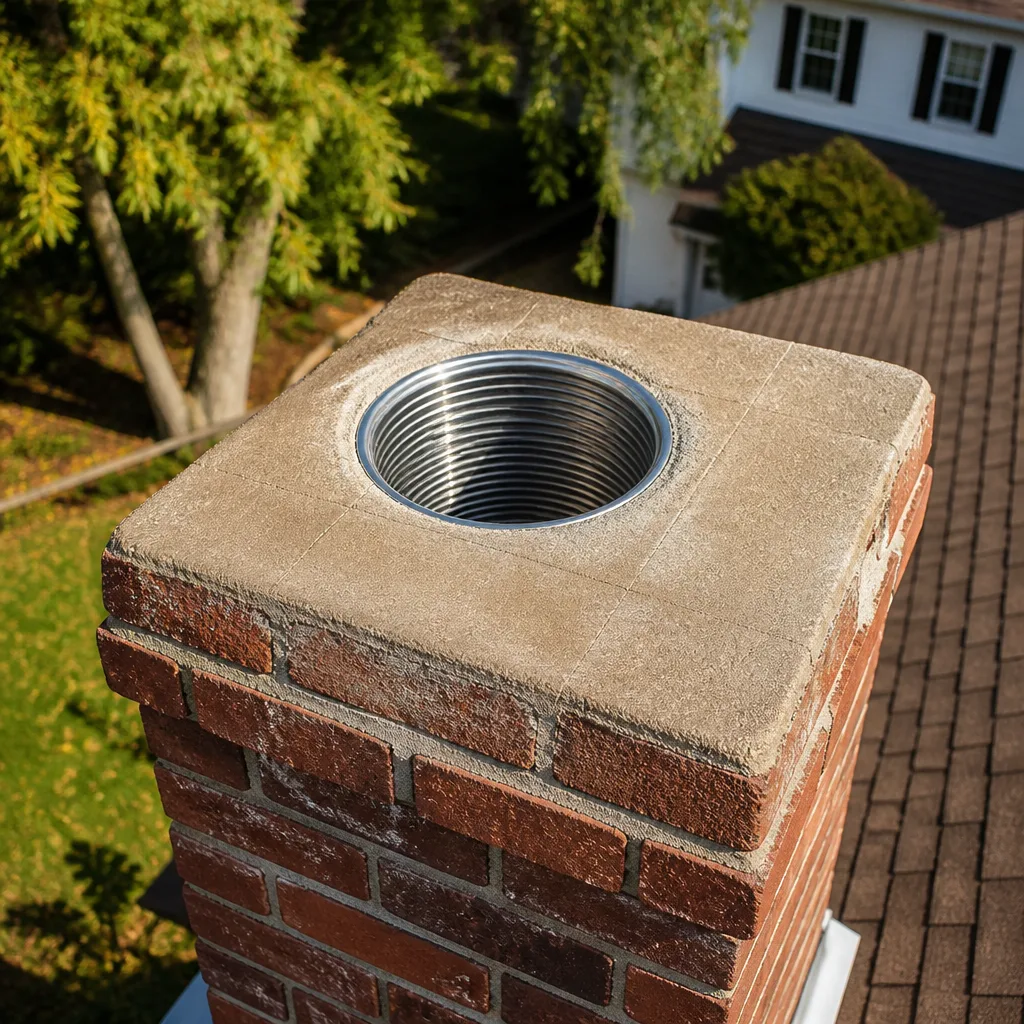 Flue relining
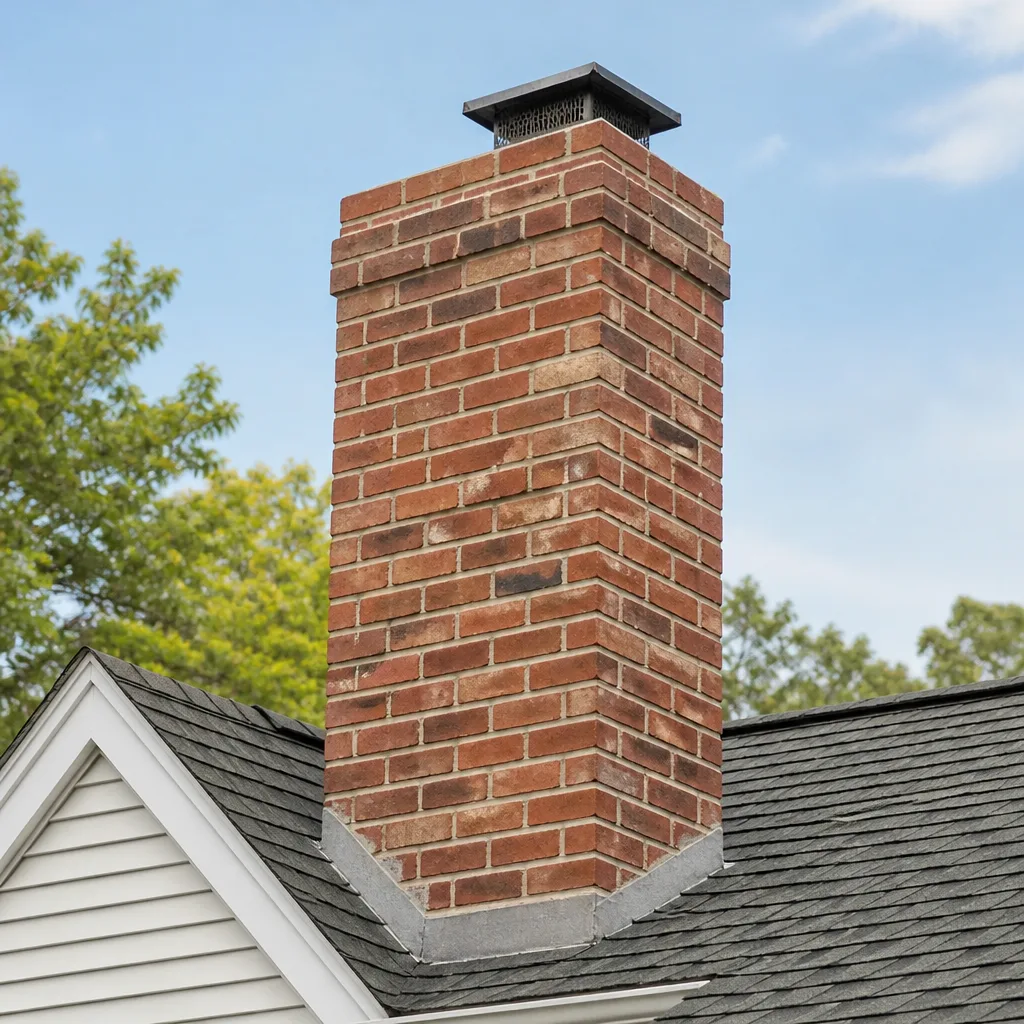 Masonry repair
 Gas fireplace service
Level 1 sweep and inspection to the NFPA 211 annual standard - flue, crown, cap, and flashing checked and photographed
Chimney sweep logs do not sweep chimneys. They loosen some creosote - which then falls where a brush and vacuum still have to collect it.
DIY vs Professional Chimney Cleaning: The Crown Heights Homeowner’s Decision Guide
You can clean the firebox yourself. You can scrape ash, brush soot off the brick, and haul the whole mess out to the curb. What you can’t do from that opening is see a cracked terra cotta flue tile eight feet up the stack, and that crack is what decides whether your chimney is safe to burn in this winter. The DIY chimney cleaning debate in Crown Heights isn’t really about skill. It’s about visibility. This guide maps exactly where do-it-yourself work ends and professional work has to begin, what a flue camera reveals that no brush can, how to actually price a DIY kit against a professional sweep, and the one scenario where sweeping your own chimney makes things worse instead of better.
Quick Answer
At the firebox level, a careful homeowner can safely handle ash removal, firebox cleanup, and visual checks of the damper and visible brick. Everything above the smoke chamber – the flue interior, the creosote layer, and any hidden cracks in the terra cotta tiles – requires professional equipment and a documented inspection. In a Crown Heights brownstone, where chimneys are often well over a century old and share walls with your neighbors, that distinction is the line between maintenance and genuine risk.
Styles & brands we work with
- Sweep & inspection
- Caps & crowns
- Flue relining
- Masonry repair
- Gas fireplace service
Table of Contents
- What DIY Chimney Cleaning Can Actually Handle Safely
- What Requires a Professional Sweep
- What a CCTV Flue Camera Reveals That No Brush Can
- The Creosote Problem: Where DIY Sweeping Creates a Hazard
- Does DIY Actually Save Money? Running the Numbers
- Liability, Insurance, and Self-Certifying Your Chimney
- Why Crown Heights Brownstones Need Extra Care
- Common Mistakes to Avoid
- When to Call a Professional
What DIY Chimney Cleaning Can Actually Handle Safely
There’s a real amount of chimney work a careful homeowner can do without touching dangerous territory. The firebox is ground level, fully visible, and within arm’s reach – so it’s yours to maintain. Everything we list below is safe to do yourself, provided you’ve cooled the chimney completely and you’re working with basic protective gear: a dust mask, gloves, and safety glasses.
Here’s what a knowledgeable homeowner can handle at the firebox level:
- Ash removal. Scoop out accumulated ash into a metal container with a lid. Never use a plastic bucket, and never dump warm ash into anything combustible. Ash can hold heat for days.
- Firebox brick and mortar inspection. Look closely at the firebrick and the mortar joints. Crumbling mortar or cracked firebrick in the firebox is visible from where you stand, and worth noting so you can bring it up with a professional on your next visit.
- Damper operation check. Open and close the damper by hand. It should move freely and seal reasonably when closed. A damper that sticks wide open or won’t close is a sign of a problem worth documenting.
- Visible soot on the firebox walls. Light brushing of firebox brick with a stiff chimney brush is fine. It’s surface soot, not the creosote layer that matters higher up.
- Checking the smoke shelf and smoke chamber opening. With a flashlight, look up into the smoke chamber. You won’t see the full flue, but you can spot obvious blockages near the throat: a bird nest, leaves, or debris.
- Draft testing the fire. Lighting a small test fire and watching smoke behavior tells you a lot. If smoke rolls into the room instead of going up, stop and call before burning again.
Notice what’s not on that list. No sweeping above the smoke chamber. No brushing the flue interior. No claims about the condition of the flue. Those tasks require equipment and training a homeowner doesn’t have – and they’re the ones that actually determine whether your chimney is safe.
If you’re doing firebox maintenance and want to line up professional work for the parts you can’t reach, our chimney sweep service handles the flue itself. Book the sweep before burning season so the inspection and cleaning are done in one visit.
What Requires a Professional Sweep
Above the smoke chamber, the chimney becomes a space you can’t see into without the right tools. A professional sweep uses rods, correct-diameter brushes, a strong shop vac rated for soot, drop cloths, and a flue camera. Those are the requirements, not luxuries. Here are the tasks that need a professional:
- Sweeping the flue interior. The flue is the vertical shaft the smoke travels up. Standard brushes, correct rod lengths, and a camera check afterward are how you know the flue is actually clean. A homeowner can’t reach or inspect it.
- Removing third-degree creosote. Glazed, hardened creosote bonds to the flue wall and won’t come off with a brush. It requires specialized creosote removal tools, and sometimes chemical treatment. This is the dangerous stage of creosote buildup.
- Inspecting the flue tile condition. Terra cotta tiles can crack from heat cycling, settling, or an old chimney fire. Only a camera inspection reveals cracks you can’t see from below.
- Inspecting the crown, cap, and flashing. Water intrusion from a failed crown or missing cap is one of the most common causes of chimney damage. These are exterior items a sweep checks as part of a full service.
- Surveying the smoke chamber. The smoke chamber is the sloped section between the firebox and the flue. It accumulates soot and needs to be inspected and cleaned on a schedule.
- Documented inspection. A Level 1 or Level 2 inspection per NFPA 211 standards gives you a record of the chimney’s condition – something you can hand to an insurer, a buyer, or a future contractor.
None of these are hard because they’re complex. They’re hard because they require access, equipment, and the trained eye to know what a normal flue looks like versus a compromised one.
A sweep should always end with an inspection, not just a cleaning. If you’ve had water coming in around the top of the chimney, a combined look at chimney cap & crown condition is part of the same visit.
What a CCTV Flue Camera Reveals That No Brush Can
A flue camera is a small, lit camera mounted on a flexible rod. A technician feeds it up the flue and watches the feed on a monitor in real time. The camera doesn’t just confirm the chimney is clean – it exposes the things you cannot see from the firebox, no matter how good your flashlight is.
Here’s what a camera inspection reveals in a typical older Crown Heights home:
- Cracked terra cotta flue tiles. Hairline cracks along a tile are exactly the failure point that lets heat and carbon monoxide reach the surrounding masonry. They don’t show up in a mirror check.
- Gaps at the tile joints. The joints between flue tiles are sealed with mortar. When that mortar fails, the flue loses its gas-tight barrier.
- Creosote glaze on the flue wall. A camera shows the thickness and character of the creosote layer – whether it’s fluffy stage-one soot, stage-two flaky buildup, or the hard, glazed stage-three creosote that needs specialized removal.
- Blockage from animals or debris. Birds, squirrels, and leaves commonly nest in chimneys that lack a proper cap. A camera shows whether the flue is clear or partially blocked.
- Deteriorated mortar and spalling. In older Crown Heights brownstones, the flue liner was often built with materials that have now seen a century of heat cycles. A camera shows the condition of the mortar and whether the tile surface is breaking down.
- Misaligned flue sections. A flue that has shifted or subsided creates an offset that traps soot and restricts draft. Only a camera reveals this kind of structural shift.
A brush sweeps away what’s loose. It does nothing to reveal the crack behind the tile that’s the real question. That’s the essential difference between DIY and professional work: the professional service is not just a cleaning, it’s a visual examination of the entire flue. The inspection is the reason to have a sweep done at all.
If the camera shows cracked tiles or a deteriorated flue wall, the fix usually involves resurfacing or relining the flue. We use HeatShield ceramic repair systems and DuraFlex flexible liners – both engineered for the flue environment, not improvised. Either way, the decision is based on evidence you can see for yourself during the inspection, and no repair gets recommended without that evidence.
The Creosote Problem: Where DIY Sweeping Creates a Hazard
Creosote is the residue of incomplete combustion. It builds up on the flue wall in layers, and it’s categorized in three stages. This matters because a brush only addresses the first one.
- First-degree creosote is light, fluffy soot. A standard chimney brush knocks it loose. This is the only stage a homeowner could reasonably address with a brush kit, and only from below.
- Second-degree creosote is crusty and flaky. It bonds more firmly to the flue wall. A brush alone struggles to remove it completely, and repeated brushing can flake it off unevenly.
- Third-degree creosote is glazed and hardened. It’s the most flammable stage and the hardest to remove. Standard brushing won’t touch it. Specialized tools and techniques are needed.
Here’s the specific scenario where DIY sweeping creates a hazard instead of reducing one. If your flue has third-degree creosote and you brush it from below with a DIY kit, the brush doesn’t fully remove the glaze. What it does is risk flaking the hardened layer into loose pieces that travel up the flue. Loose, glazed creosote is more ignitable than a stable glaze layer. A chimney fire feeds on that. You’ve redistributed a fire hazard without reducing it, and you’ve given yourself a false sense that the chimney is clean because a brush went up and down.
The professional method for third-degree creosote is different. It’s often a chemical treatment that softens the glaze before mechanical removal, followed by camera verification that the flue wall is actually clean. If you suspect heavy creosote buildup – especially if your flue is old and you burn a lot of wood – don’t run a brush through it yourself. Book a professional sweep and have it handled safely.
We deal with this constantly in Crown Heights. Older brownstone flues that haven’t been swept in years, and homeowners who’ve tried a DIY kit and made the layer harder to address. Better to know before burning season, and better to see the flue camera footage than to guess. Call (833) 858-5823 for an inspection – estimates are free.
Does DIY Actually Save Money? Running the Numbers
The honest answer is that a DIY brush kit saves you money only on a chimney that was already safe and clean enough that it didn’t need much. That’s a narrow case. Let’s walk through what a DIY brush kit actually costs once you factor in everything.
A basic DIY chimney brush kit (brush head, rods, shop vac) runs from around $60 to $150 depending on size and quality. That’s the upfront cost. Now add the consumables and the hidden costs:
- Correct diameter brushes. A brush that’s the wrong size for your flue either scratches the tile or skips the creosote. Most kits come with standard sizes and don’t match every flue.
- Shop vac filter replacement. Soot destroys shop vac filters. If your vac isn’t rated for fine soot, you’ll replace filters often – or your vac’s motor will suffer.
- Drop cloths, tape, and dust control. The soot has to go somewhere. Cheap DIY kits usually omit this, and the cleanup is where a lot of time disappears.
- Time. A proper sweep takes a trained technician about an hour for a straightforward chimney. A homeowner doing it for the first time is looking at an afternoon, often longer if the kit doesn’t fit.
- Wasted experiments. The wrong brush rodded up the wrong way, a kit that doesn’t fit, a shop vac that gives up – these are the costs that don’t show in the kit price.
Compare that to a professional sweep, which includes the flue cleaning, the camera inspection, and a documented report. You’re not just paying for a brush to go up and come down. You’re paying for the inspection that tells you what condition the flue is in. That’s a different product than what the kit delivers.
Where DIY genuinely saves money: firebox ash removal, firebox soot brushing, and keeping up with basic maintenance between professional visits. Those tasks are inexpensive and safe for a homeowner to do. The professional sweep handles the rest.
The moment any hidden defect is suspected, the equation changes completely. A brush kit that hides a cracked flue doesn’t save you money; it just delays the repair and adds risk on top of it.
Liability, Insurance, and Self-Certifying Your Chimney
If you clean your own chimney and consider it done, you’ve effectively self-certified that it’s safe. That self-certification carries weight, and it’s not the same as a documented inspection.
Here’s the practical difference:
- A documented inspection creates a record. A professional sweep produces a written report with findings. If something fails later, you have evidence of when the chimney was inspected and what was found. That record has real value in an insurance claim.
- Self-cleaning has no record. If a flue fire or carbon monoxide incident happens, and no documented inspection exists, your insurer can question whether the chimney was ever serviced. The brush marks are gone after the fire.
- Chimney fire liability. A chimney fire that spreads into the structure is a serious event. Insurers assess whether reasonable maintenance was performed. “I swept it myself” without documentation is difficult to support.
- Home sale and refinancing. Buyers and lenders in Crown Heights commonly want a recent inspection report as part of the transaction. A self-cleaned chimney doesn’t produce one, so you end up paying for an inspection at the worst time.
- Level 1 versus Level 2. A Level 1 inspection covers readily accessible portions of the chimney. A Level 2 inspection includes the flue camera and is required when a property changes hands, after an event like a chimney fire, or when a new appliance is installed. Those aren’t inspections a homeowner can perform.
The point isn’t fear. It’s that self-certifying a chimney as safe is a decision with real-world consequences. A documented professional inspection is the way to keep that decision honest. You’re not just paying for a cleaning – you’re paying for the report.
If you’re refinancing or selling a Crown Heights home, book the inspection before the process gets moving. Call (833) 858-5823 – estimates are free, and the report is yours.
Why Crown Heights Brownstones Need Extra Care
Most Crown Heights brownstones were built over a century ago, with masonry construction that was designed for wood and coal. The chimneys in these homes have had a lot of decades of use and a lot of decades of settling. That history makes a professional inspection more important than the same inspection in a young house.
What makes the neighborhood distinctive:
- Shared chimney stacks. Brownstones were often built in rows with shared or adjacent chimney stacks. A flue defect in one home can affect draft or smoke behavior in a neighbor’s flue. What looks like a one-house problem is sometimes a shared-stack issue.
- Aged terra cotta flue tiles. The flue tiles in Crown Heights brownstones have been subjected to a century of heating and cooling. Cracking and spalling are common, and neither shows up in a mirror check.
- Cold-weather creosote season. New York’s cold winters mean longer heating seasons and more creosote. The heavier the heating, the more frequently the sweep needs to happen. A chimney in Crown Heights that ran all winter needs attention before the next burn.
- Draft issues from tight brownstone construction. Original brownstones weren’t built to modern air-sealing standards, and the draft in an older chimney can be unpredictable. An inspection is how you find out whether your flue draws correctly.
- Wood-burning appliances added later. A wood insert added to an original fireplace can change the flue’s requirements. Those installations need to be checked against the existing flue condition. A camera inspection confirms whether the liner and the appliance match.
None of this is a reason to avoid burning. It’s a reason to have the chimney inspected and swept on a schedule, and to have any repair done with materials engineered for the job. That’s what we do at Chimney Sweep Crown Heights – sweep, inspect, and repair for the neighborhood’s older masonry stock. We use materials from DuraFlex, HeatShield, Gelco, and Olympia Chimney because those are the lines engineered for the flue environment, not general-purpose substitutes.
If the camera shows a problem with the flue or the firebox, the fix is chimney repair done properly with flue-specific materials. Our technicians have up to 10 years of experience, and the inspection and the repair happen in the same relationship – no second contractor, no referral loop.
Common Mistakes to Avoid
- Assuming a brush went up means the chimney is clean. A brush removes what’s loose. It doesn’t reveal a cracked flue tile. That’s why a professional sweep always ends with a camera inspection – the crack is the point, and the brush can’t see it.
- Brushing third-degree creosote from below. Hard, glazed creosote needs specialized removal. Brushing it from the firebox risks flaking it into a more ignitable loose state. If the flue feels heavy with creosote, stop and call a sweep.
- Cleaning the chimney but ignoring the cap and crown. A missing or damaged cap lets in rain, birds, and debris. Rain on a flue is one of the most common causes of gradual flue failure. The cap and crown are part of the service.
- Skipping the inspection because the chimney “seems fine.” Most serious flue defects don’t announce themselves. A Level 1 or Level 2 inspection is the only way to know. Book it as a standalone service if you’re not sure the cleaning is even needed.
- Burning unseasoned wood to save money. Green wood produces more creosote. In a Crown Heights brownstone with an older flue, that’s the difference between annual and semi-annual sweeps. Season the wood before burning.
- Self-certifying the chimney as safe. Without a documented inspection, there’s no record. If a future claim or sale needs one, you’ll pay for it then anyway. Get it documented now.
- Adding a wood insert without checking the flue. A new appliance changes the flue’s requirements. The existing flue needs to be inspected – and often relined – before the insert goes in. Skip that step and the insert may not draft properly.
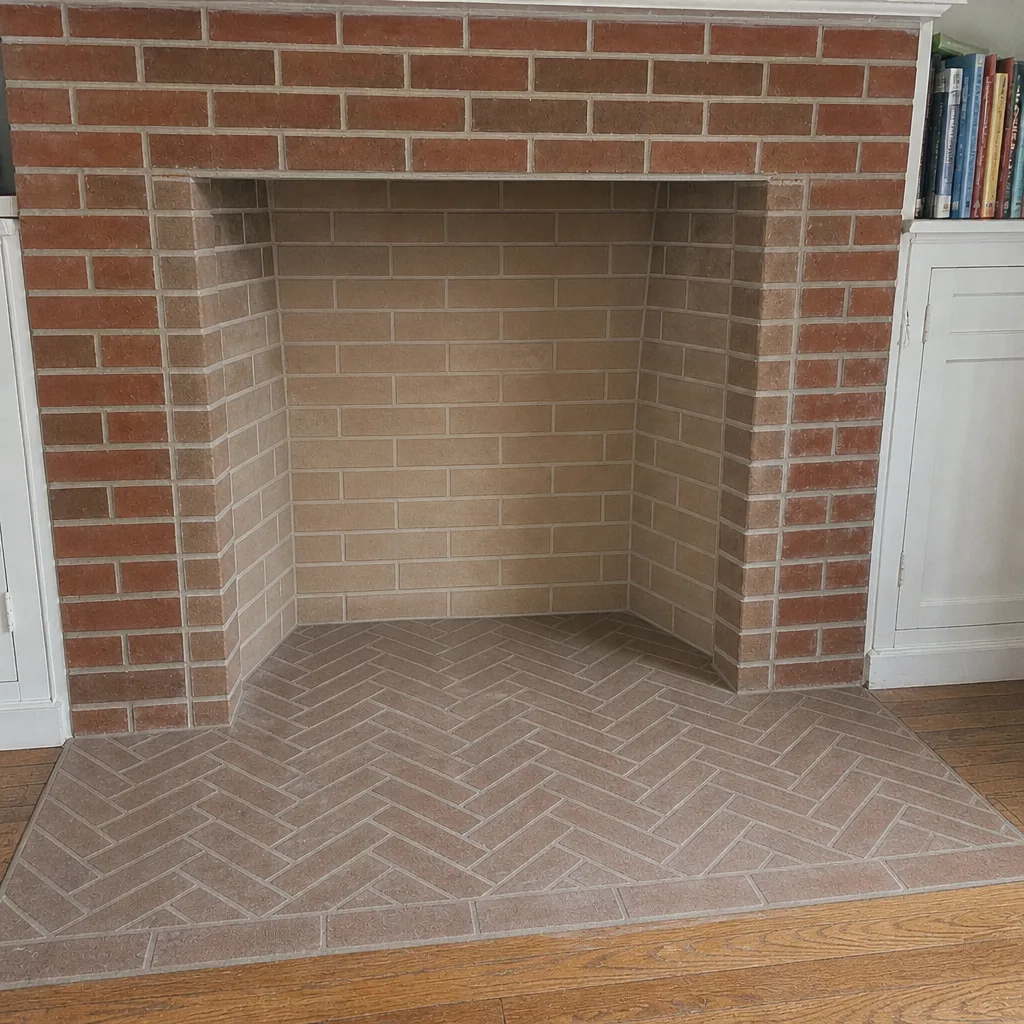
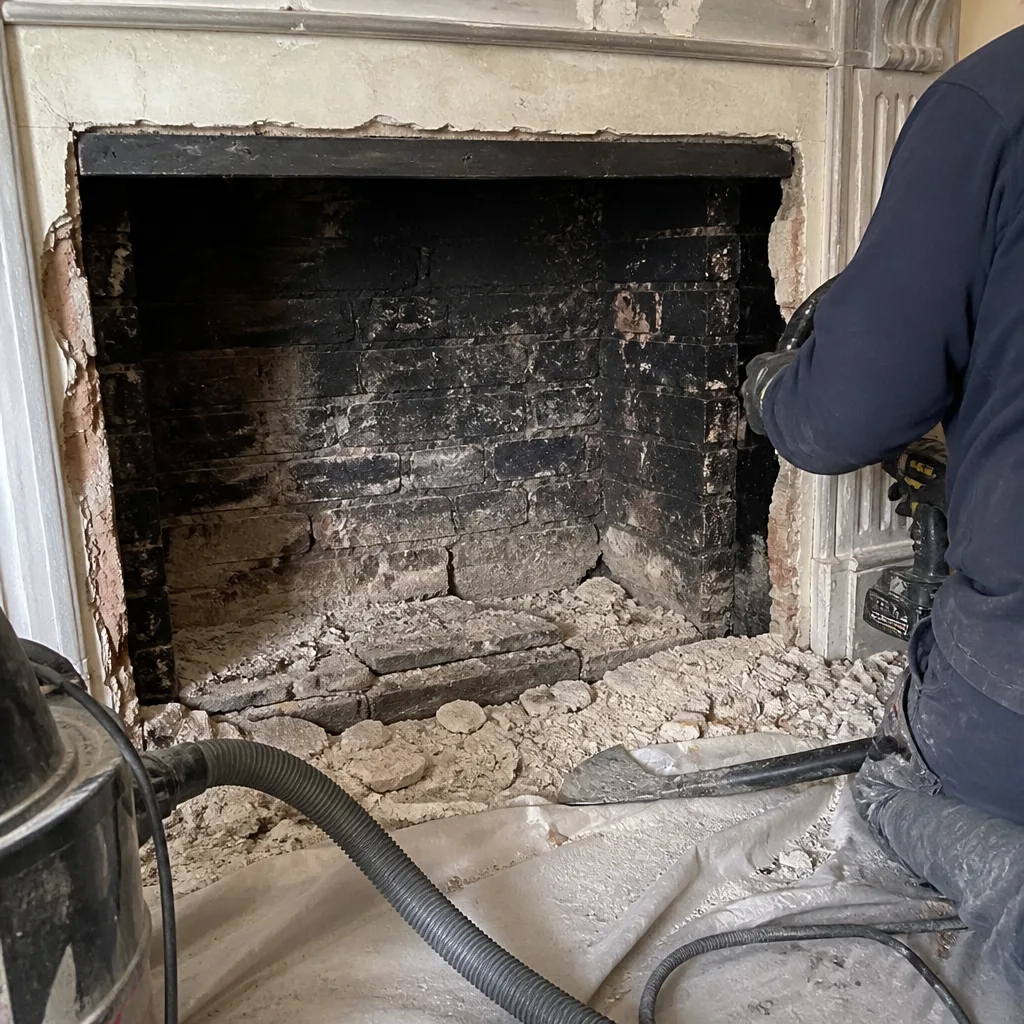
See the difference
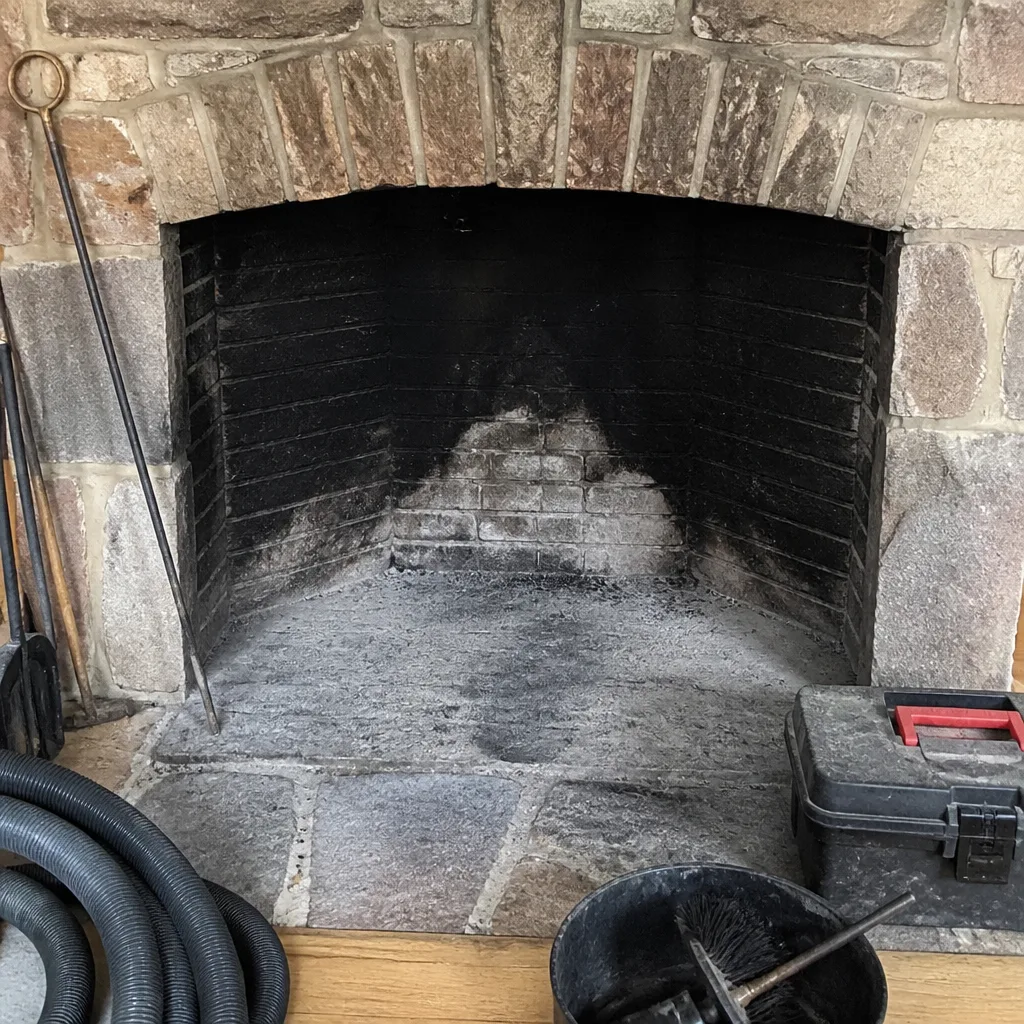 Before
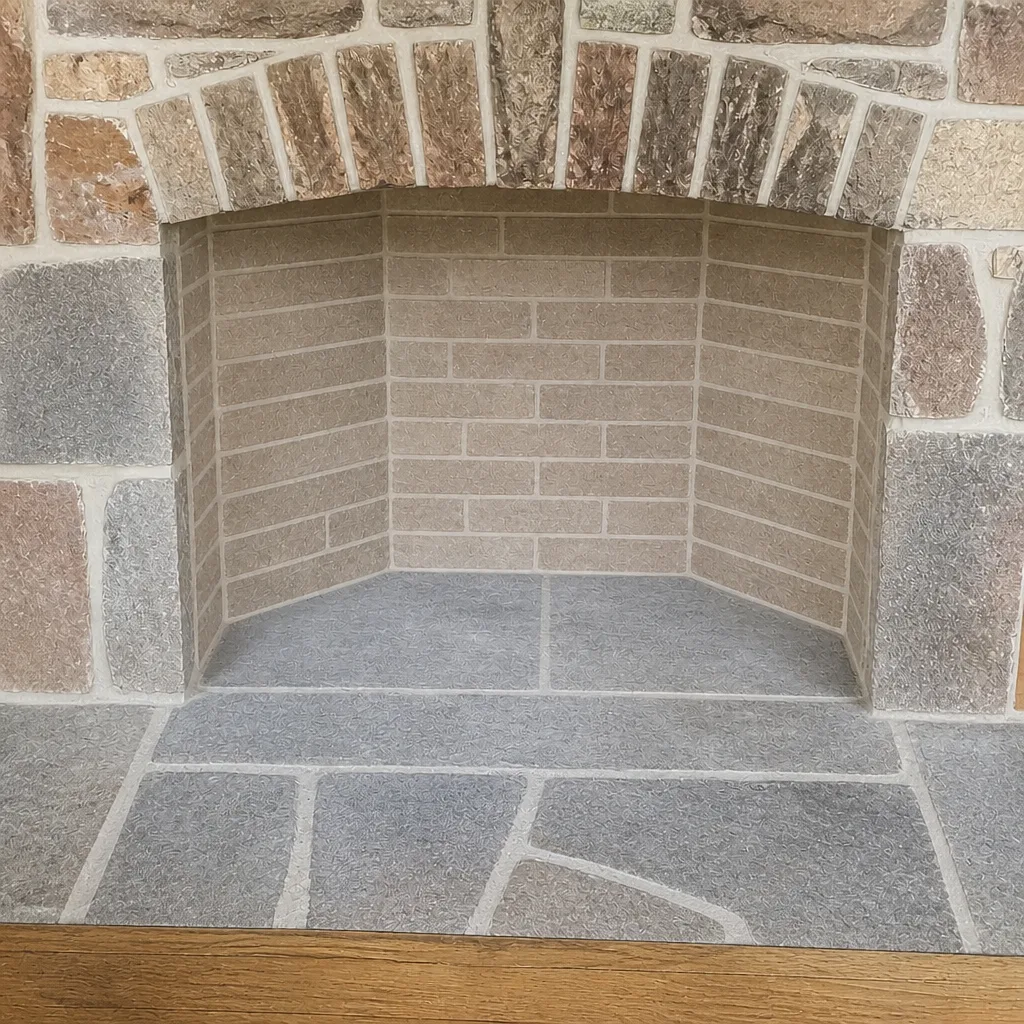 After
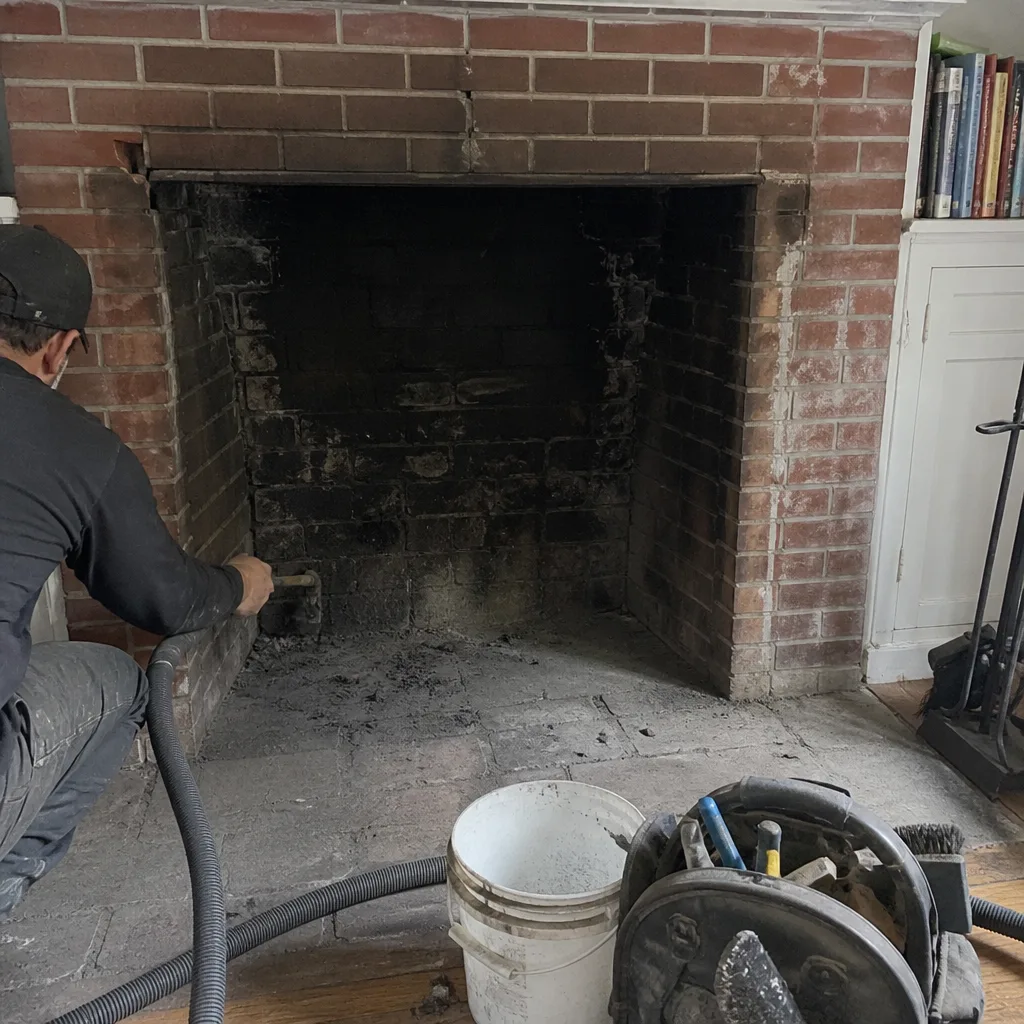 Before
 After
 Before
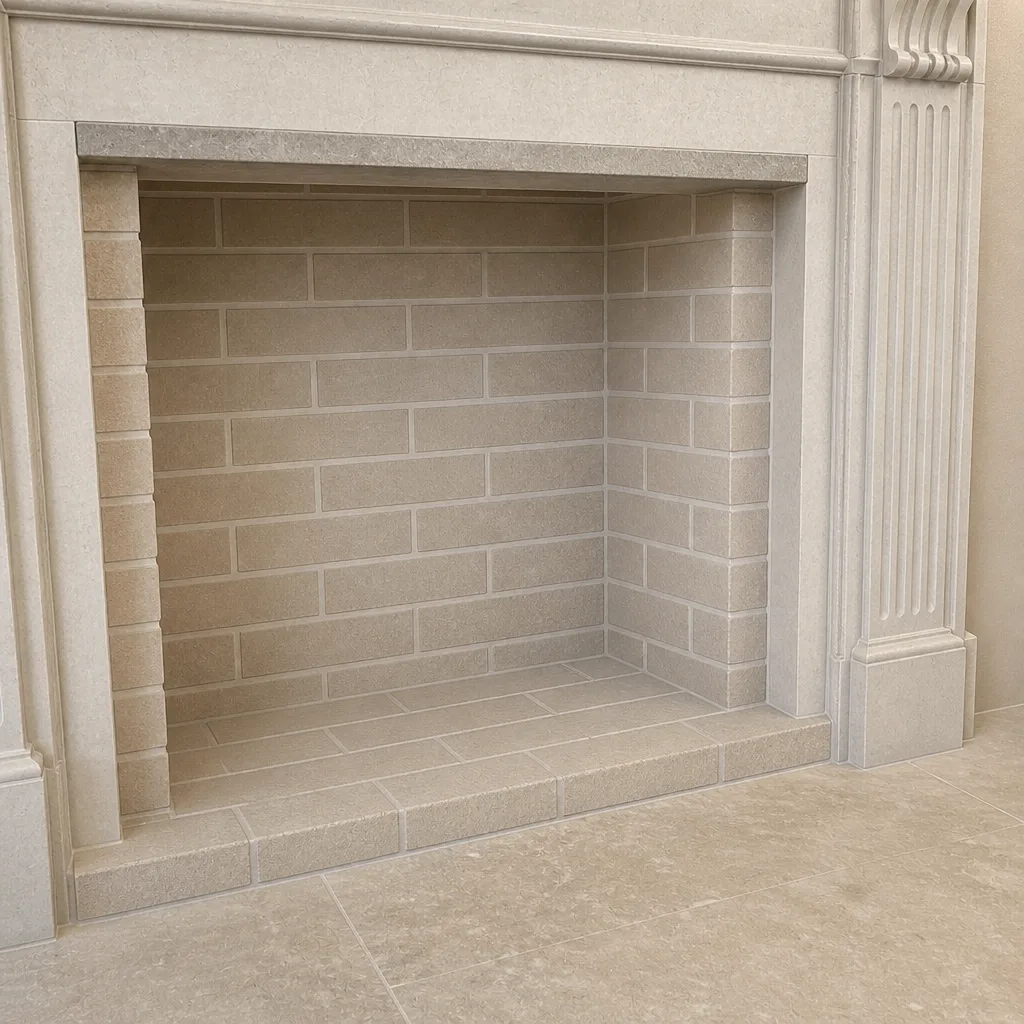 After
When to Call a Professional
Call a professional when any of the following are true: you can’t see the length of the flue with a flashlight, you suspect hardened creosote, your flue tile condition is unknown, your chimney shares a stack with a neighbor, or you’re planning a home sale, refinance, or a new appliance. Those are all situations a DIY brush kit cannot resolve. If the firebox itself is all you’re cleaning and you know the flue was inspected recently, the DIY cleanup is fine.
Chimney Sweep Crown Heights offers free estimates in Crown Heights – call (833) 858-5823. We answer 24/7. Fast dispatch from 7am to 7pm, Sunday through Friday. Every inspection includes a camera check and a report you can see for yourself, and nothing gets recommended without the evidence in that report.
Frequently Asked Questions
You can clean the firebox yourself – ash removal, firebox soot brushing, damper checks, and visual inspection of the firebox brick are safe homeowner tasks. You can’t clean or inspect the flue interior, and you can’t see a cracked flue tile without a camera. Those tasks require a professional sweep. Call (833) 858-5823 for a flue inspection – estimates are free.
Chimney sweeps in Crown Heights typically run in the range most homeowners expect for a full service visit – a flue cleaning plus a Level 1 inspection. Every estimate is written for the job, and there’s no dispatch fee. Call (833) 858-5823 and we’ll give you a free estimate that covers the sweep, the inspection, and anything the camera finds.
The general rule is once a year for a chimney you burn in regularly, and more often if you burn a lot of wood or see significant creosote buildup. A Level 2 camera inspection is also recommended before a home sale or after any event like a chimney fire. Call (833) 858-5823 to book the sweep – estimates are free.
A Level 1 inspection covers the readily accessible parts of the chimney and the firebox, and it goes along with a routine sweep. A Level 2 inspection adds the flue camera, and it’s the version required for a home sale, after a chimney fire, or when an appliance changes. The camera is what actually tells you whether the flue is safe. Call (833) 858-5823 to ask which inspection fits your Crown Heights home.
Skipping the sweep lets creosote keep building on the flue wall. Higher stages of creosote are more flammable, and cracked flue tiles go unnoticed. That’s the real risk – not a gradual inconvenience, but a hidden failure. Book the sweep before burning season and know the flue is clean. Call (833) 858-5823 – estimates are free.
Not always. A liner is recommended only when a camera inspection shows the existing flue can’t safely contain combustion gases or can’t be cleaned. HeatShield ceramic repair can sometimes resurface a flue that would otherwise need a new liner, and DuraFlex flexible liner systems handle relining when the flue is beyond resurfacing. The camera report decides, not a salesperson. Call (833) 858-5823 to schedule the inspection – estimates are free.
The Bottom Line
DIY chimney cleaning saves money on a chimney that’s already in good shape and only needs the firebox cleaned. The moment you need to know what the flue looks like on the inside – and in an older Crown Heights brownstone, you always need to know – the DIY brush kit is the wrong tool. A professional sweep combines the cleaning you can’t do yourself with a camera inspection that reveals the hidden defects that decide whether the chimney is safe to burn in. If you’re ready to line up a sweep before burning season, call Chimney Sweep Crown Heights at (833) 858-5823. Our technicians have up to 10 years of experience, and the inspection-first approach means nothing gets recommended without evidence you can review. Estimates are free.
Written by the team at Chimney Sweep Crown Heights.