
Last updated November 22, 2026
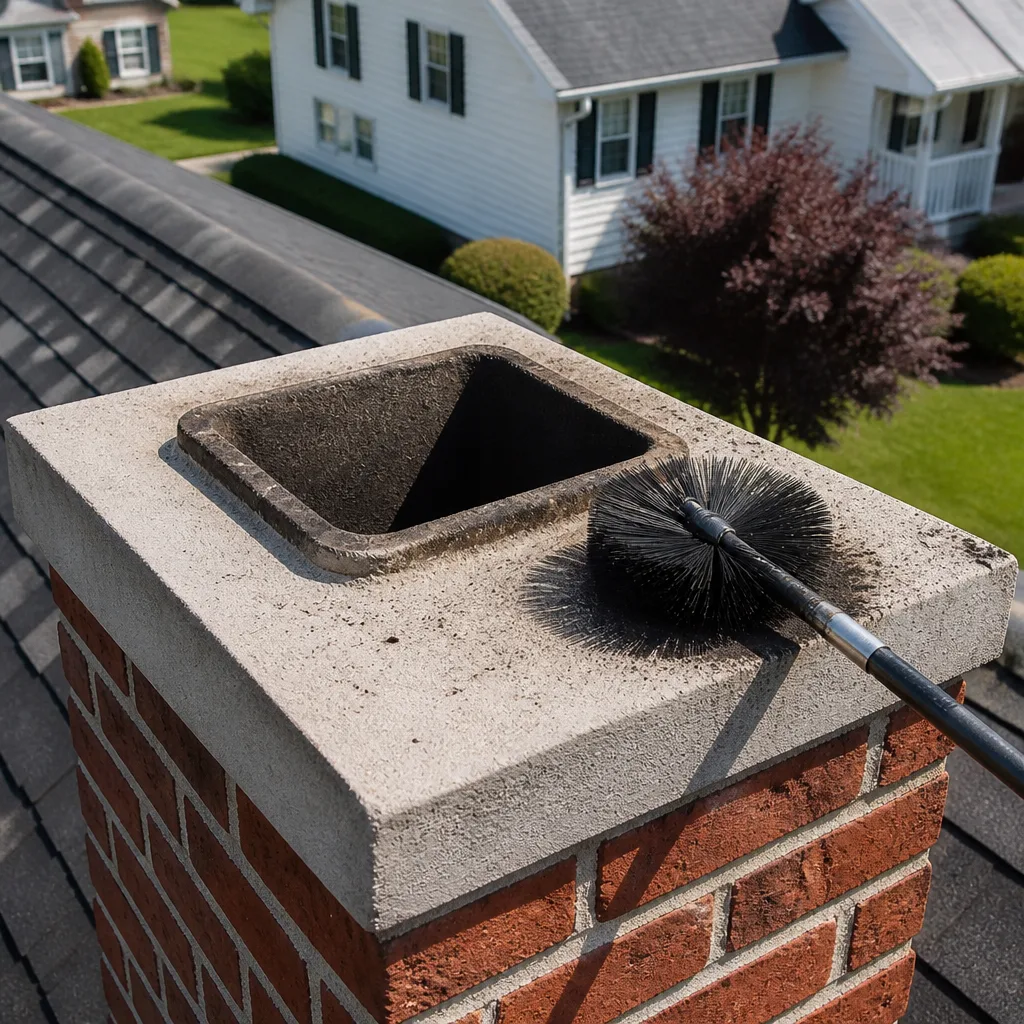 Sweep & inspection
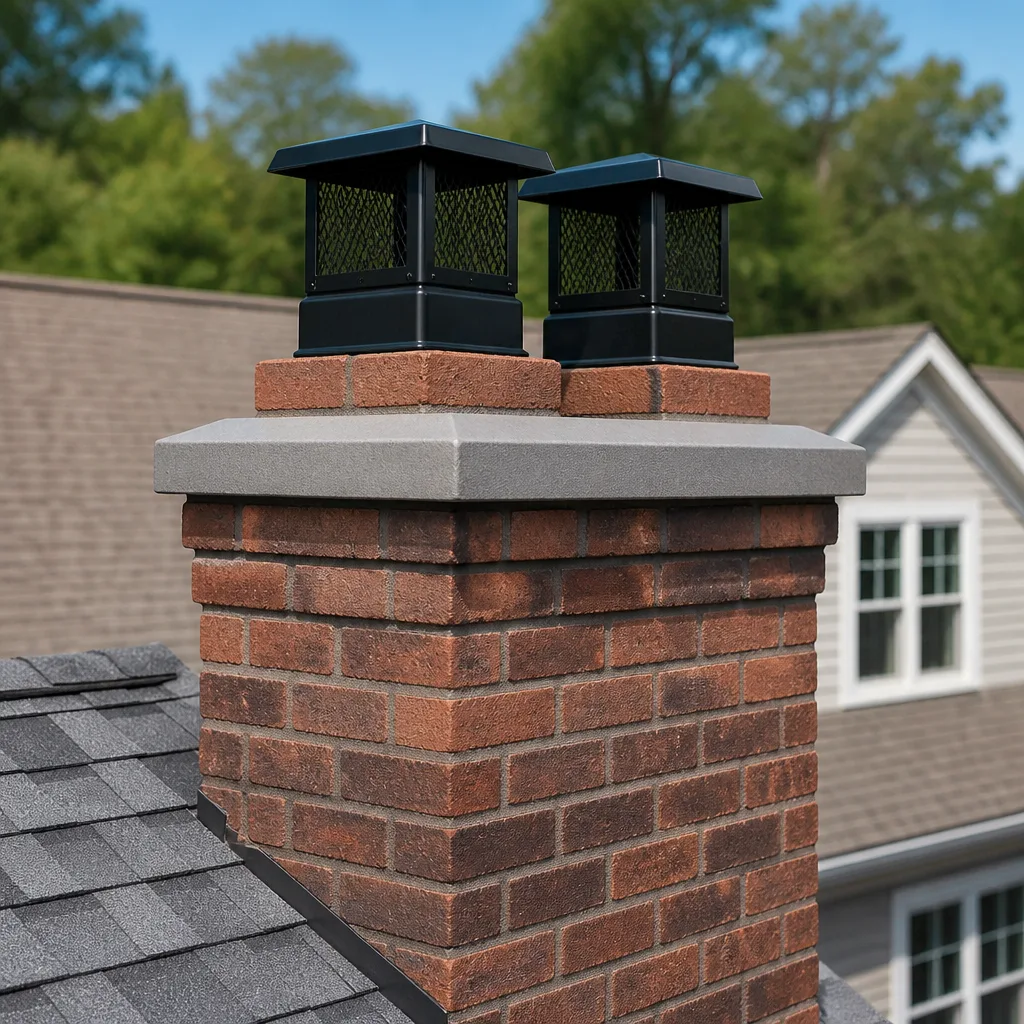 Caps & crowns
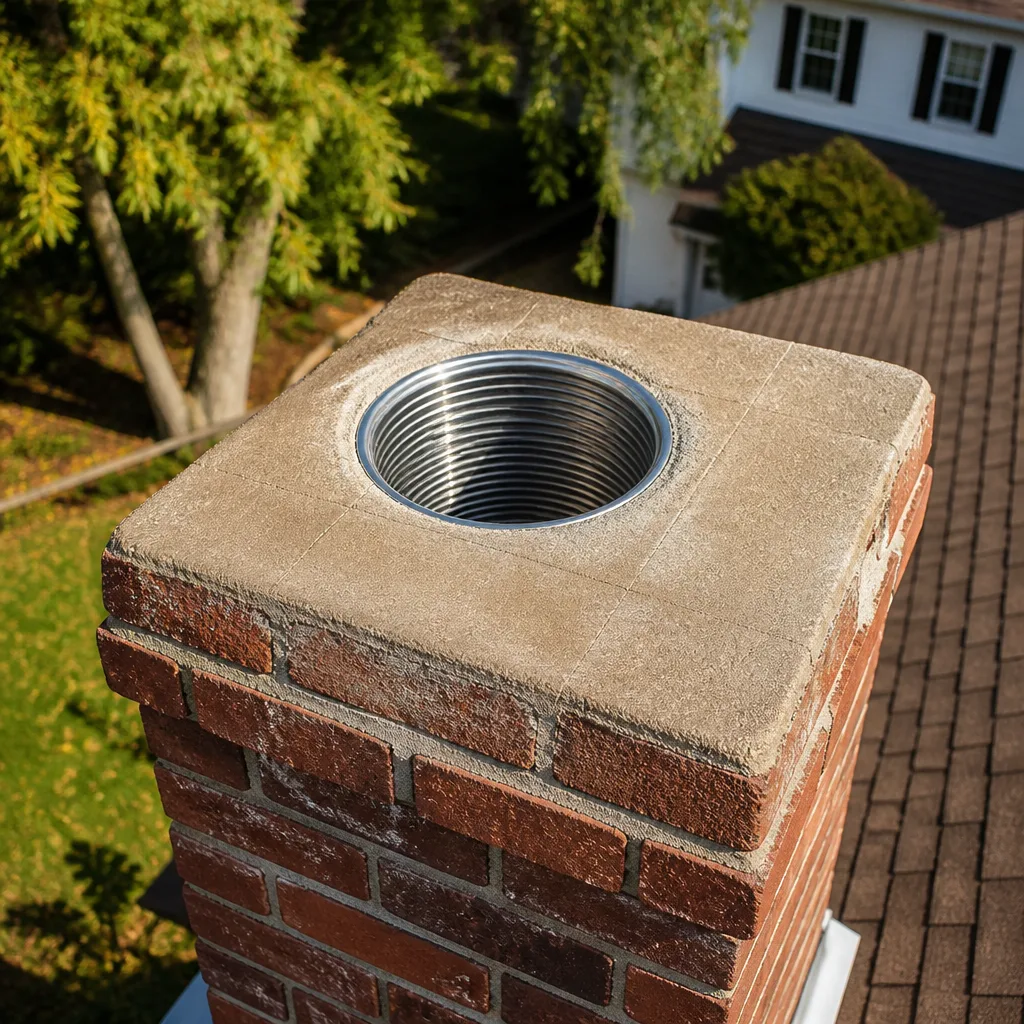 Flue relining
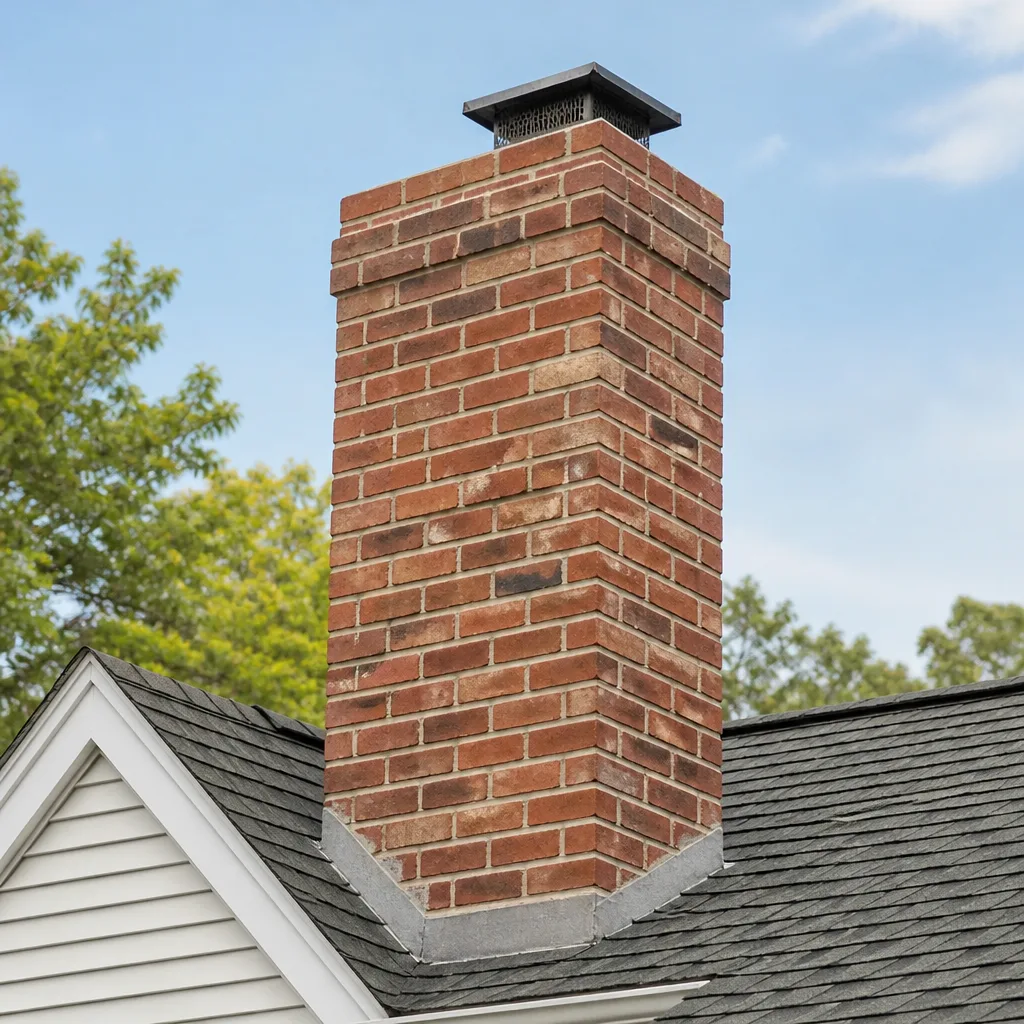 Masonry repair
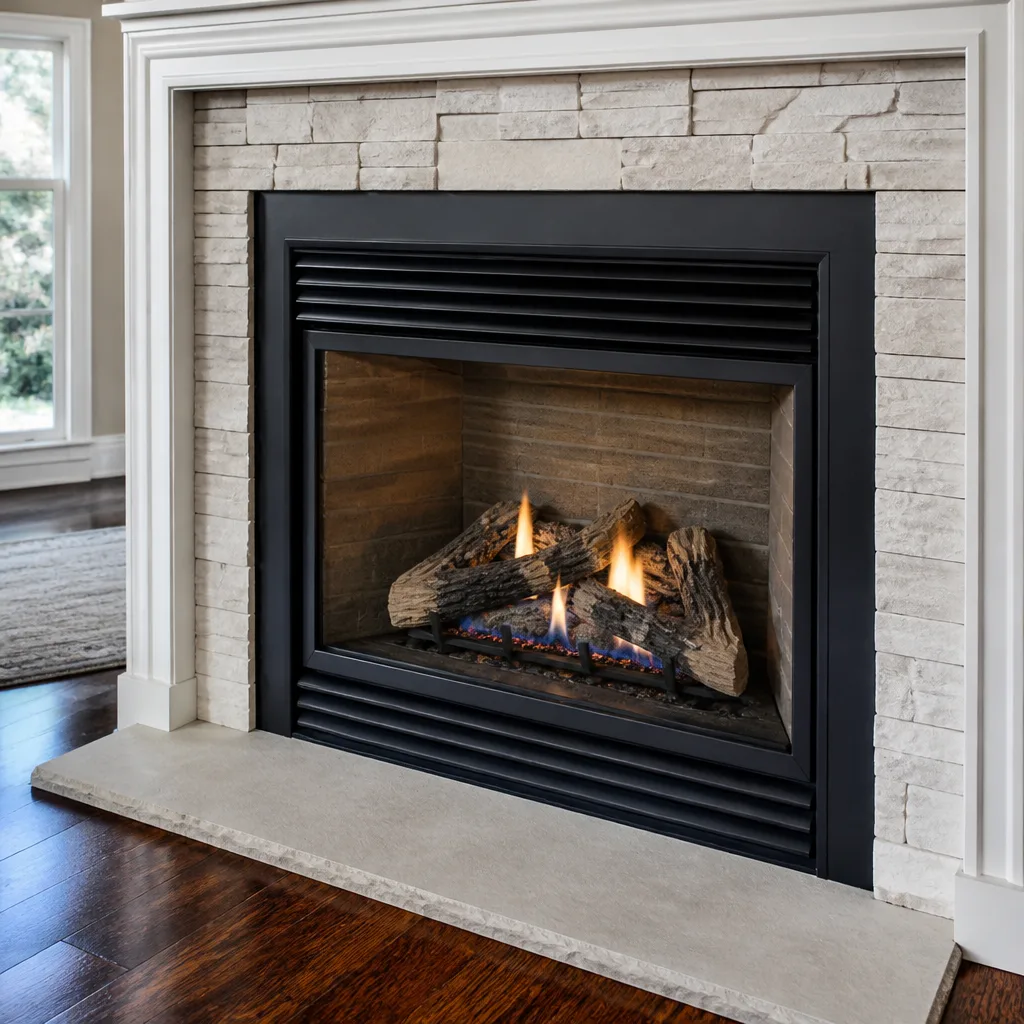 Gas fireplace service
Level 1 sweep and inspection to the NFPA 211 annual standard - flue, crown, cap, and flashing checked and photographed
Chimney sweep logs do not sweep chimneys. They loosen some creosote - which then falls where a brush and vacuum still have to collect it.
Chimney Sweep Maintenance Checklist for Crown Heights Homeowners
Here’s a fact most chimney checklists leave out: a Crown Heights house that was converted from oil heat to gas at some point in the last 40 years may still be running on a flue that was never relined for its new fuel. The old brick passage was sized and shaped for oil exhaust, and when the burner changed, the flue didn’t always follow. Standard maintenance advice tells you to sweep once a year and move on. That advice doesn’t know your building. This guide is built for the homes actually standing on these blocks – the brownstones with century-old brickwork, the two-family conversions with shared flues, the parlors where a gas insert now sits in a firebox that once burned coal or wood. Below is a checklist calibrated to that reality, organized by fuel type, usage, and the age of your masonry, plus the items you can safely check yourself and the ones you should never touch from a ladder.
Styles & brands we work with
- Sweep & inspection
- Caps & crowns
- Flue relining
- Masonry repair
- Gas fireplace service
Quick Answer
The core chimney maintenance checklist for a Crown Heights homeowner is: inspect the firebox and flue before each heating season, confirm a cap and crown are intact, sweep based on fuel type and usage (annually for wood, as-inspected for gas), and keep a written log of every service visit for insurance. How often you sweep depends on what you burn, how much, and how old the flue is – a wood-burning fireplace in heavy use needs a sweep yearly, while a lightly used gas insert may go longer between cleanings but still needs an annual visual check. The one item that matters most in Crown Heights is confirming your flue was properly relined when the house changed fuels.
Table of Contents
- Why This Checklist Is Different From Generic Advice
- Quick Answer
- Pre-Season Checklist: Gas Inserts vs. Wood-Burning Systems
- What You Can Inspect Yourself at the Firebox Level
- Spotting Mortar Joint Failure Between Professional Visits
- How Often to Sweep: By Fuel Type, Usage, and Chimney Age
- Logging Maintenance History for NYC Insurance Documentation
- Caps, Crowns, and the Weather That Wears Them Down
- Common Mistakes to Avoid
- When to Call a Professional
- Frequently Asked Questions
- The Bottom Line
Why This Checklist Is Different From Generic Advice
Most chimney maintenance checklists are written as if every house is the same: a wood-burning fireplace, a straightforward flue, a homeowner who lights a fire a few times a week. Crown Heights isn’t that place. The housing stock here carries a specific set of quirks that generic advice ignores, and those quirks are exactly where problems hide.
Start with the fuel conversion history. A large share of Crown Heights homes were built with oil furnaces or coal grates and were later converted to gas. When that conversion happened, the flue was often left as-is. Sometimes a liner was installed; sometimes it wasn’t. A gas appliance vents differently than oil, and an unlined or improperly sized flue can let moisture and acidic condensate attack the masonry from the inside out. No standard sweep-and-go checklist asks you to look for that, so we’re putting it first here.
Then there’s the shared-flue question. Two-family conversions are everywhere in Crown Heights, and in many of them a single chimney chase serves appliances on both floors. Shared flues need careful inspection because one appliance can affect the draft of another, and a blockage or a crack on one side has implications for the whole stack.
Finally, century-old brick. These chimneys were laid up by hand with mortar that has had a long time to weather. The freeze-thaw cycles of a New York winter open hairline cracks into real gaps, and Crown Heights masonry in particular shows seasonal wear at the mortar joints. A checklist that doesn’t talk about brick condition isn’t really a chimney checklist – it’s a cleaning reminder.
This guide covers the full system: cleaning, inspection, and structural care. If you’re looking for the entry point to routine service, start with a chimney sweep and build the rest of your maintenance calendar from there. One specialist for the whole system keeps the record clean and the work consistent.
Pre-Season Checklist: Gas Inserts vs. Wood-Burning Systems
Before the first cold snap of the season, your checklist should differ depending on what you burn. Gas and wood systems fail in different ways and need different pre-season attention. Here’s how to sort your own system before you call anyone.
For Gas Fireplace Inserts and Gas Appliances
- Confirm the flue is lined for gas. If your home was converted from oil or coal to gas, verify there’s a proper metal liner rated for the appliance. This is the single most important gas-side check in older Crown Heights homes.
- Look at the pilot and burner. A yellow, lazy flame instead of a crisp blue one can signal incomplete combustion. Note it, don’t fix it yourself.
- Check for moisture or staining around the firebox. Water marks suggest a cap or crown problem above, or condensate attacking an unlined flue.
- Test the carbon monoxide detector near the fireplace and on every floor of the home. This is non-negotiable, and it’s the cheapest safety step on the list.
- Book an annual inspection. Gas burns cleaner than wood, but “cleaner” isn’t “maintenance-free” – venting and liner integrity still need a trained eye.
For Wood-Burning Fireplaces and Stoves
- Look up the flue from the firebox with a flashlight. Fresh creosote glazing, broken flue tiles, or gaps between tiles are all reasons to stop and call a professional.
- Confirm the damper opens and closes smoothly. A stuck damper is a draft problem and a safety problem.
- Check for a proper cap at the top of the chimney – you can often see it from the street or a window. A missing cap lets rain, birds, and debris straight into the flue.
- Book your sweep before the season starts. Creosote buildup is what a sweep removes, and the best time to get ahead of it is before the first fire.
- Inspect your firewood. Seasoned, dry wood burns cleaner and deposits less creosote than green wood. This one costs nothing but attention.
In our experience, gas inserts get neglected because they run quietly and leave little visible ash. Wood systems get neglected because homeowners sweep once and assume that’s enough. Both need a real pre-season look. If your system is wood-burning, the sweep itself is the foundation – and if you burn often, there’s more to know about how the trade handles frequency and safety. For a deeper walkthrough of what a proper cleaning actually involves, our chimney sweep Crown Heights service page lays out the process.
What You Can Inspect Yourself at the Firebox Level
You don’t need a ladder to do the most valuable part of your own chimney maintenance. The firebox is where you can safely gather real information – and where you should stop and let a professional take over. The line between “owner-observable” and “professional-only” is worth knowing well.
What you should safely check yourself
- Visible brick and mortar inside the firebox. Look for loose bricks, crumbling mortar, or white staining on the firebox walls. White staining can indicate moisture.
- The damper operation. Open and close it fully by hand. It should move without force.
- The firebox-to-flue transition. With a flashlight, look up into the smoke chamber as far as you can see. Note any obvious cracks or gaps, but don’t reach up into it.
- Ash and soot levels. Heavy soot buildup on a gas insert or a glazed creosote layer in a wood flue means it’s time to schedule a sweep.
- Smoke or draft behavior. If smoke rolls into the room instead of going up the flue, that’s a draft issue worth a professional look.
- The exterior cap and crown – from the ground or a window. Check for obvious damage, missing screens, or a leaning crown.
What you should never attempt
Do not go up on the roof to inspect the flue crown, chase, or cap. Roof access on a Crown Heights brownstone or a flat-roofed building is a serious fall hazard, and the chimney top is not a place for a general inspection by anyone without the training to read what it’s showing. Do not try to remove creosote yourself with a brush on a pole, do not attempt liner or masonry repairs, and do not open panels on a gas appliance. These are the jobs where we recommend a trained professional every time, without exception.
The firebox-level looking you do is genuinely useful. It helps you describe the problem when you call, and it flags the situations where waiting isn’t safe. Just don’t cross the line from watching to reaching. Full details on what formal inspections cover are on our chimney repair page.
Spotting Mortar Joint Failure Between Professional Visits
Mortar joint failure is the most common structural problem we see in older Crown Heights chimneys, and it’s the one homeowners most often miss because it happens quietly between service visits. The mortar that holds brick together is the softer of the two materials, and it’s designed to be the sacrificial layer – it weathers first so the brick doesn’t have to. When it goes, the whole chimney loosens.
Here’s what failure looks like at different stages:
- Early stage: thin, sandy grit at the base of the chimney or along the roofline, especially after wind or a hard rain. That grit is mortar giving up.
- Mid stage: visible recessed joints – the mortar sits deeper than the brick faces instead of flush. This is where moisture starts getting behind the brick.
- Late stage: white chalky staining (efflorescence) or dark water staining on the exterior brick, sometimes with crumbly mortar patches you can scratch with a fingernail.
- Structural stage: a visibly leaning crown, spalling brick faces, or separation between the chimney and the roofline. At this point, don’t wait for the next scheduled visit.
Freeze-thaw is the driver in Crown Heights. Water soaks into the masonry, freezes overnight, expands, and pries the joint open a little more each cycle. By the time a joint is visibly recessed, the damage has been building for seasons. The good news is that mortar joints are repairable before they become structural – and modern materials handle the job well. We use HeatShield ceramic repair systems for flue resurfacing, which is built specifically for deteriorating masonry inside the chimney, and materials from Gelco and other professional-grade lines for exterior joint work. If you suspect joint failure, it’s worth getting ahead of before the next winter.
How Often to Sweep: By Fuel Type, Usage, and Chimney Age
There’s no single sweeping schedule that fits every Crown Heights home. Frequency depends on three variables: what you burn, how often you burn it, and how old the flue is. Here’s how they interact.
By fuel type
- Wood-burning: annually, minimum. Creosote accumulates with every fire, and even moderate use builds a layer worth removing each season.
- Gas: annually for inspection, and sweep as needed based on what a technician finds. Gas burns cleaner, but the liner and venting still need an annual look, especially in converted homes.
- Multi-fuel or mixed use: treat as wood for frequency, because the dirtiest fuel drives the schedule.
By usage level
- Light use (a few fires a month in season): annual sweep and inspection still applies.
- Moderate use (regular weekend fires): annual sweep, and consider a mid-season look at the flue.
- Heavy use (fires most days in cold weather): annual sweep is the floor; glazed creosote may call for more frequent attention.
By chimney age and condition
- Century-old masonry: more frequent inspection, because older brick and mortar are more vulnerable to moisture intrusion.
- Relined flues: follow the liner manufacturer’s guidance, and have the liner inspected annually.
- Converted fuel systems: annual inspection is critical, because unlined or improperly sized flues are common in converted homes.
The honest answer is that your specific frequency should be set after an inspection, not before. A technician can tell you exactly what you’re dealing with – the fuel type, the liner condition, and the age and condition of the flue. That’s how a schedule gets built for your house in Crown Heights rather than the house next door.
Logging Maintenance History for NYC Insurance Documentation
A written maintenance log is a quiet but important layer of protection, and in New York it’s worth keeping in a format your insurance company can actually read. When you file a claim or review your policy, a documented service history demonstrates that you’ve kept the system maintained in good faith. It’s not going to weigh on every policy, but it can matter when an insurer asks a specific question.
Here’s a simple format that works:
- Service date. The day the work was done, not the day you called.
- Service type. Sweep, inspection (note the level if you know it), cap or crown work, structural repair.
- Who did the work. Company name and a phone number for future reference.
- What was found. A short written description, plus any photos or reports provided.
- What was done. Repairs, materials used, and any recommendations for next time.
- Next recommended date. When the system should next be inspected or swept.
Keep this log with your home records, and keep a digital copy. If you sell the home, the log is a strong document for the buyer. If you ever need to file a claim, it’s there. Insurers appreciate a clean, dated history over a stack of receipts with no context. Ask any company doing your work for their written report – here at Chimney Sweep Crown Heights, inspection reports are built into the visit, so you leave with a document, not just a phone call recap.
Caps, Crowns, and the Weather That Wears Them Down
The chimney cap and the crown at the top of the stack are your system’s first defense against weather, and they take the most abuse of any part of it. The crown is the sloped concrete or masonry top that sheds water away from the masonry. The cap is the metal or masonry cover that sits above the flue opening. Together, they keep rain, snow, birds, and debris out of the flue.
When the crown fails – cracks, spalls, or loses its slope – water pools at the top of the chimney and soaks into the brick from above. That’s a different failure pattern than the mortar-joint damage below. It shows up as water stains on the interior ceiling near the chimney, dampness in the firebox, or a musty smell when the fireplace is cold. The cap, meanwhile, can rust out, lose its screen, or get pulled loose by wind. A missing cap means rain gets into the flue directly, and birds nest in the best-case scenario, or debris clogs the flue in the worst.
On a fixed schedule, check your cap and crown visually each season. From street or ground level, look for a leaning crown, visible cracks, a missing screen, or a cap that has shifted. If you see any of those, it’s repair work, and it’s best done before the next freeze. For most common cap and crown needs, a full-service chimney company handles it in-house – no second contractor required. That’s true of the work we take on: from chimney cap & crown installation to structural repair, the visit stays with one specialist.
Common Mistakes to Avoid
- Assuming a converted home has a proper liner. A Crown Heights house that went from oil or coal to gas may still have the original unlined flue. Without confirming the liner, you’re running a modern appliance on century-old venting.
- Sweeping once and calling it maintenance. A sweep removes creosote; it doesn’t evaluate the liner, the crown, or the mortar. The complete visit is sweep plus inspection, every time.
- Ignoring shared-flue interactions in a two-family. If two appliances feed one chase, one can affect the other’s draft. A single-appliance inspection can miss the interaction entirely.
- Waiting for a visible problem before calling. Mortar joint failure and interior flue damage are quiet until they’re structural. Regular inspection catches what you can’t see.
- Going up on the roof for a “quick look.” The crown and cap are visible from the ground. The roof is not a place for a homeowner in Crown Heights – it’s a fall hazard, and it’s not a good vantage point for reading flue condition anyway.
- Skipping the CO detector. Every gas fireplace home in Crown Heights should have working carbon monoxide detectors on every floor. This is the cheapest, most important safety item on the entire checklist.
- Not keeping records. A house with no service history is a house where every future inspection has to start from zero. Keep the log, and keep the reports.
When to Call a Professional
Some things on this checklist are yours to observe. Others should go straight to a professional, and quickly. Call us if you see crumbling or recessed mortar joints on the exterior, smoke rolling into the room instead of up the flue, water stains or dampness in the firebox or ceiling, or a cap or crown that looks damaged. Call if you’re in a home that was converted from oil or coal to gas and you’ve never confirmed the liner – especially if it’s a wood-burning system now, or a gas insert you don’t have documentation for. Call after any chimney fire, downdraft, or strong smell of gas. And call if it’s simply been a year or more since your last sweep and inspection. Chimney Sweep Crown Heights offers free estimates in Crown Heights – call (833) 858-5823. We answer 24/7. Fast dispatch from 7am to 7pm, Sunday through Friday.
Frequently Asked Questions
Annually is the baseline for wood-burning chimneys, with gas systems inspected once a year and swept as a technician recommends. In an older Crown Heights home – especially one converted from oil to gas – the annual inspection matters as much as the sweep, because it confirms liner and flue integrity. Call (833) 858-5823 for an exact quote – estimates are free.
Yes, at least annually for inspection, even though gas burns cleaner than wood. The fire risk is lower, but the venting and liner still need to be checked, and a gas appliance in an old Crown Heights home is exactly where liner problems hide. An inspection-first approach is what catches them. Call (833) 858-5823 for an exact quote – estimates are free.
Creosote accumulates and becomes flammable, masonry and mortar deteriorate, and hidden flue damage can go unnoticed until it’s structural. The worst-case outcomes are chimney fires and carbon monoxide exposure, which is why regular service matters. You don’t have to be able to see the danger to be exposed to it. Call (833) 858-5823 for an exact quote – estimates are free.
Have the flue inspected and confirmed before the heating season. A liner was not always installed at conversion, and the original oil-sized flue may not be right for a gas appliance. That confirmation is the single most important step for converted Crown Heights homes. Call (833) 858-5823 for an exact quote – estimates are free.
Grit at the chimney base, recessed mortar joints, white or dark staining on the exterior brick, water stains near the ceiling, smoke rolling into the room, and a cap that has shifted or lost its screen. Any one of these is worth a call. Call (833) 858-5823 for an exact quote – estimates are free.
A dedicated chimney company should handle the full arc: sweep, inspect, and repair. With us, that’s a single relationship – our technicians have up to 10 years of experience, and common repairs like cap, crown, and liner work stay with one specialist. Call (833) 858-5823 for an exact quote – estimates are free.
The Bottom Line
A chimney maintenance checklist is only useful if it fits the home it’s written for. In Crown Heights, that means acknowledging the fuel conversion history, the shared flues in two-family buildings, and the century-old masonry that holds up to freeze-thaw every winter. The short version of this guide: confirm your liner if the home was converted, sweep and inspect annually based on fuel type and usage, watch the mortar joints between visits, keep a written log for your records and your insurer, and stay off the roof. The full system – cleaning, inspection, cap and crown work, and repair – belongs with one specialist who knows chimneys and nothing else. That’s the whole checklist: one call, one record, one accountable point of contact, year after year.
One specialist for the full chimney system. Built for chimneys, only chimneys. To schedule a sweep or inspection, call (833) 858-5823. We answer 24/7. Fast dispatch from 7am to 7pm, Sunday through Friday.
Written by the team at Chimney Sweep Crown Heights.
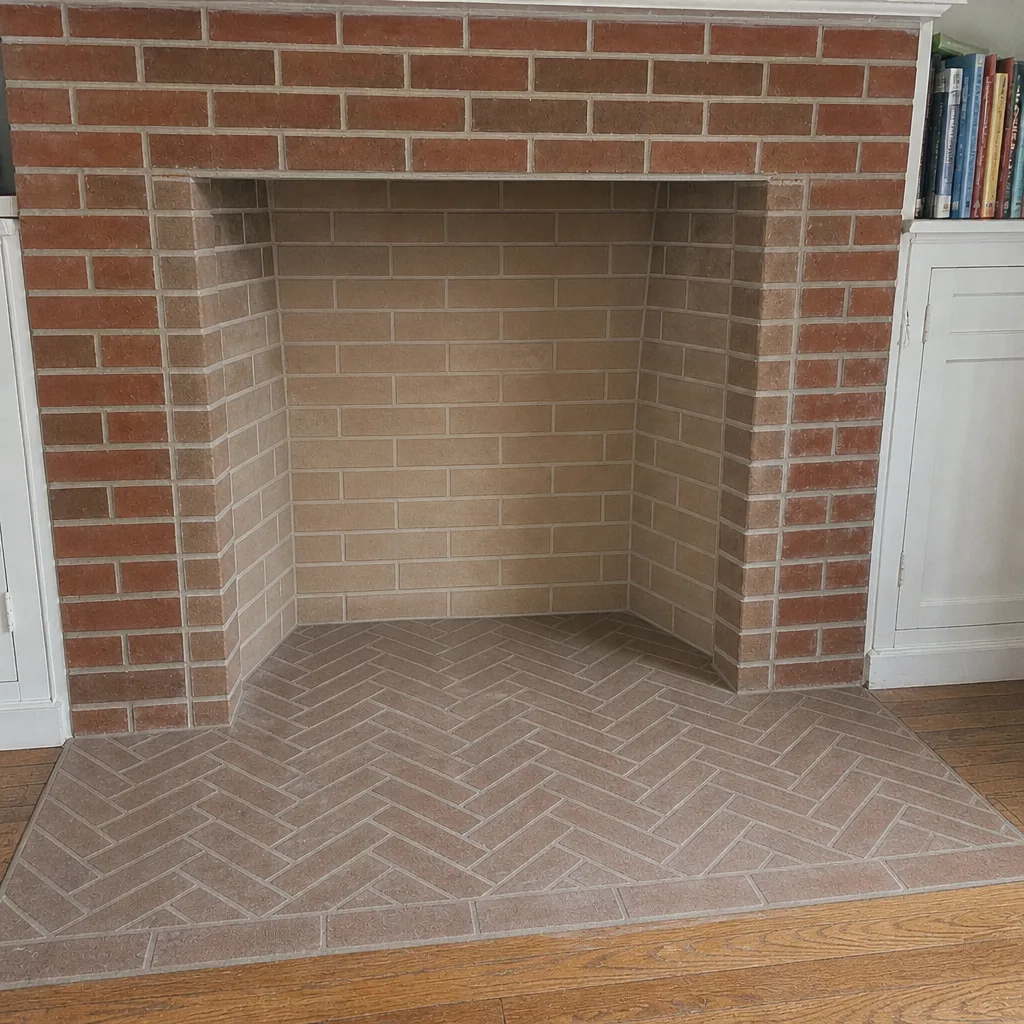
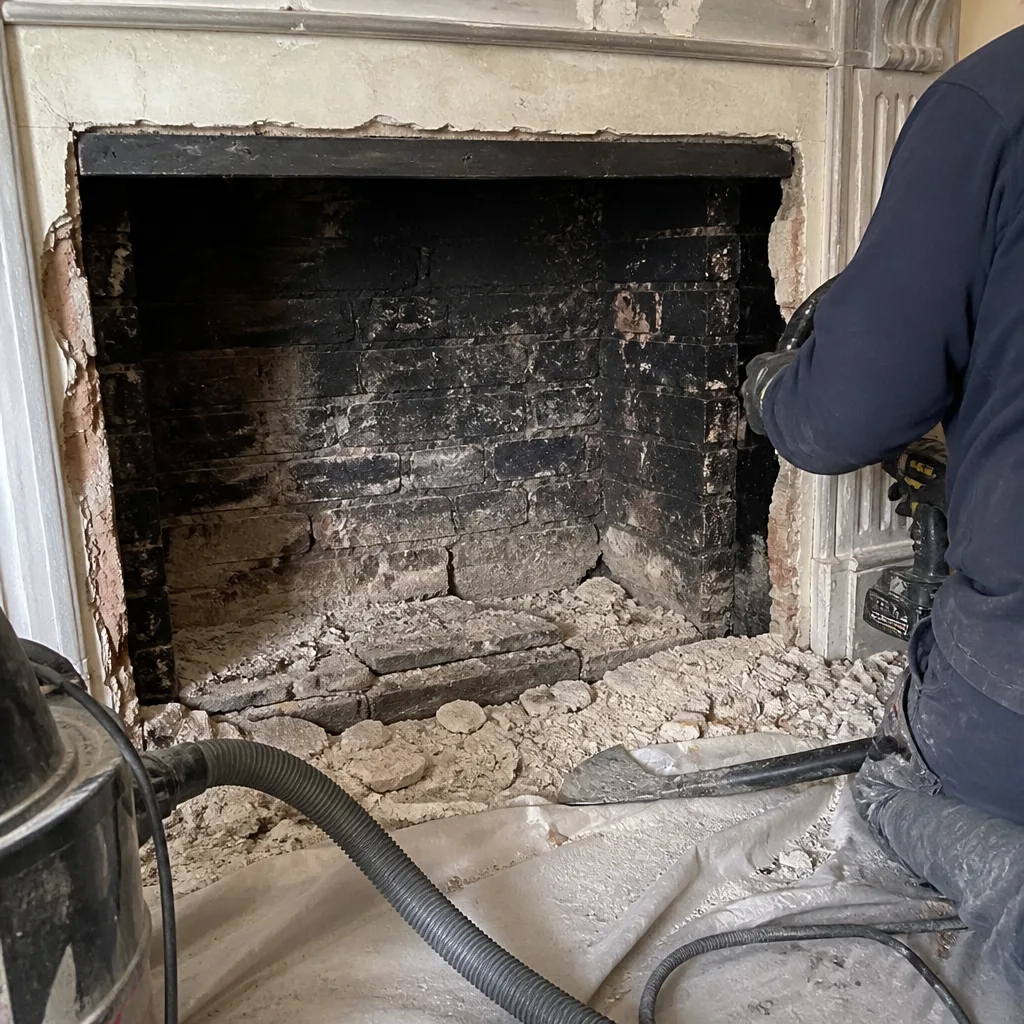
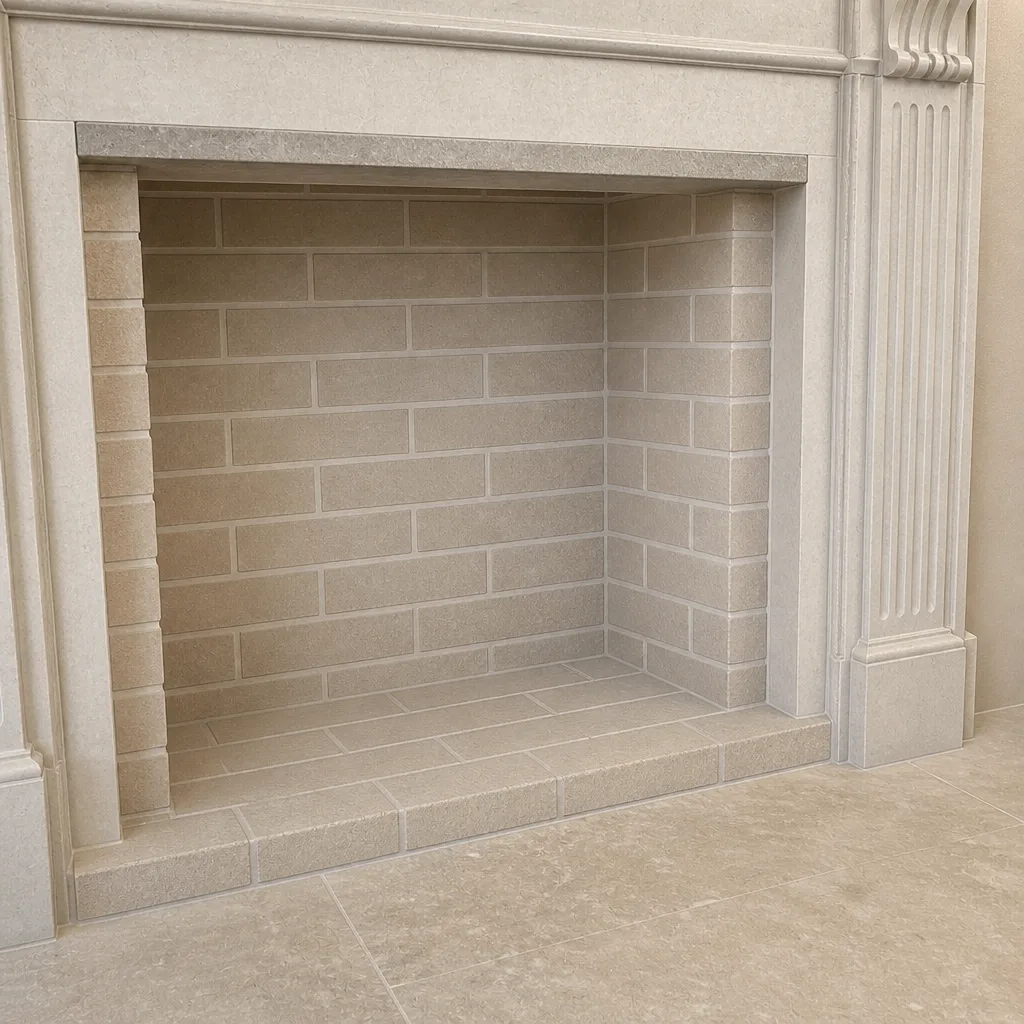
See the difference
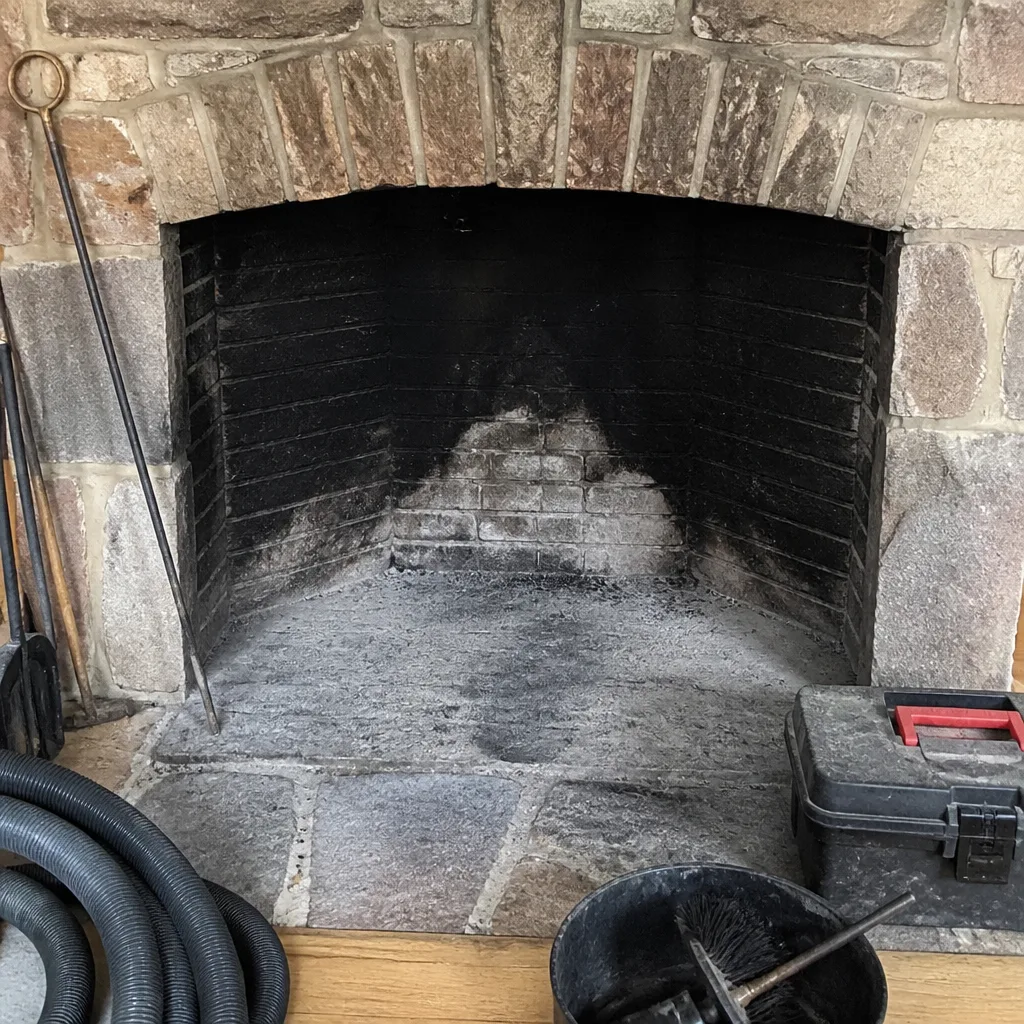 Before
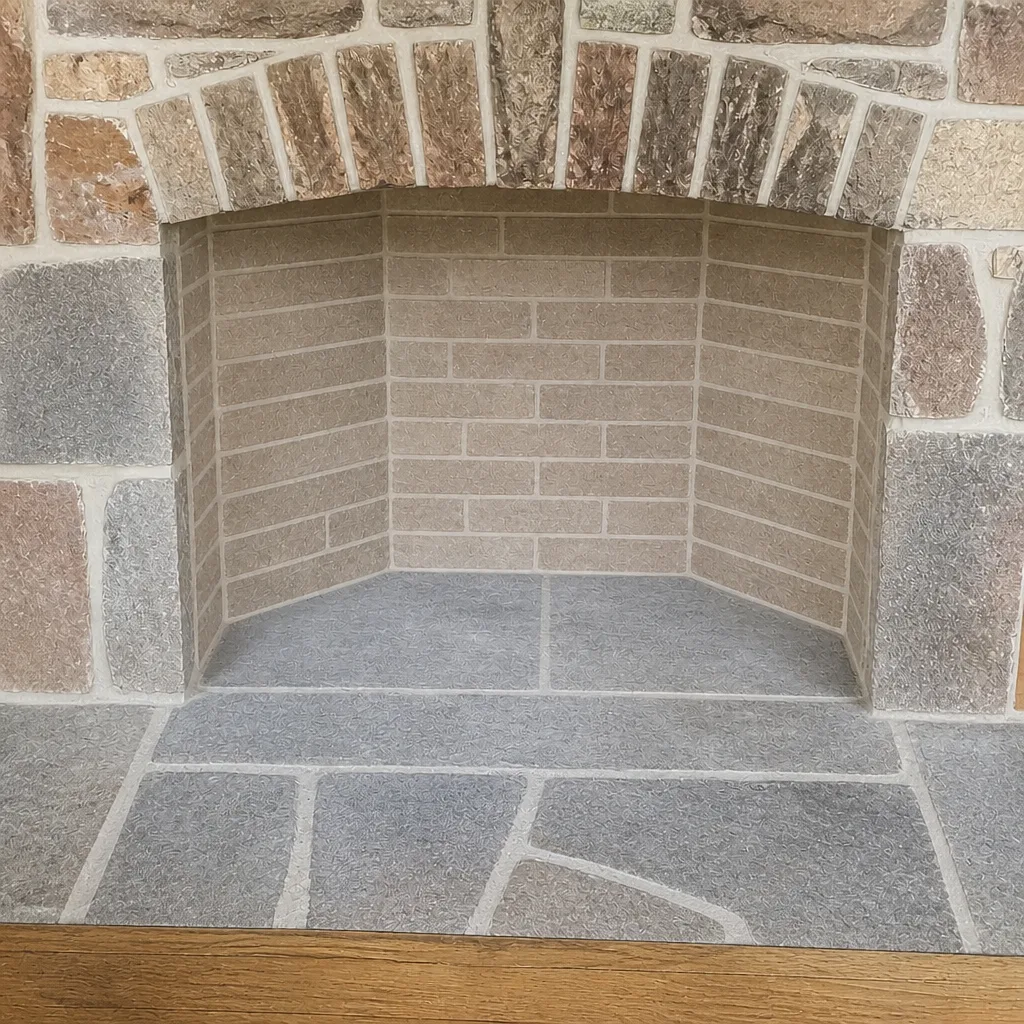 After
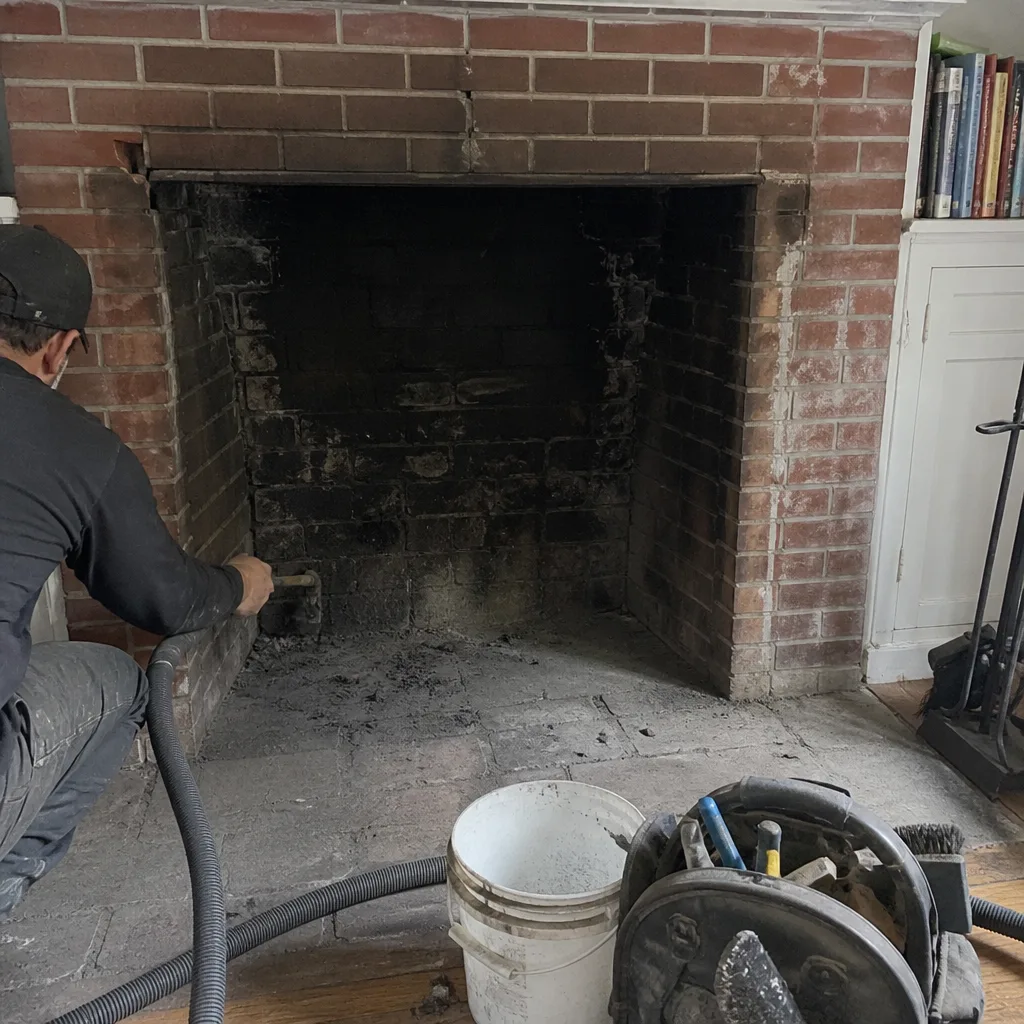 Before
 After
 Before
 After